

Ready to Plan
Your Safari?
Our Tanzania safari and adventure experts craft personalised, tailor-made itineraries — just for you.
Planning a trip to Africa can feel like trying to solve a giant puzzle, but after twenty years of navigating the dusty trails of the Serengeti in a Land Cruiser, I can tell you that six days is the “magic number.” It is just enough time to see the heavy hitters—the Big Five, the Great Migration, and the world’s largest intact caldera—without feeling like you are rushing through a marathon.
At Tanzania Safari Experience, we don’t just book hotels; we live these routes. This specific 6-day path is our most requested because it minimizes “dead driving” time and maximizes your eyes on the wildlife. If you want a trip that feels like a private window into the wild rather than a crowded bus tour, this is your roadmap.
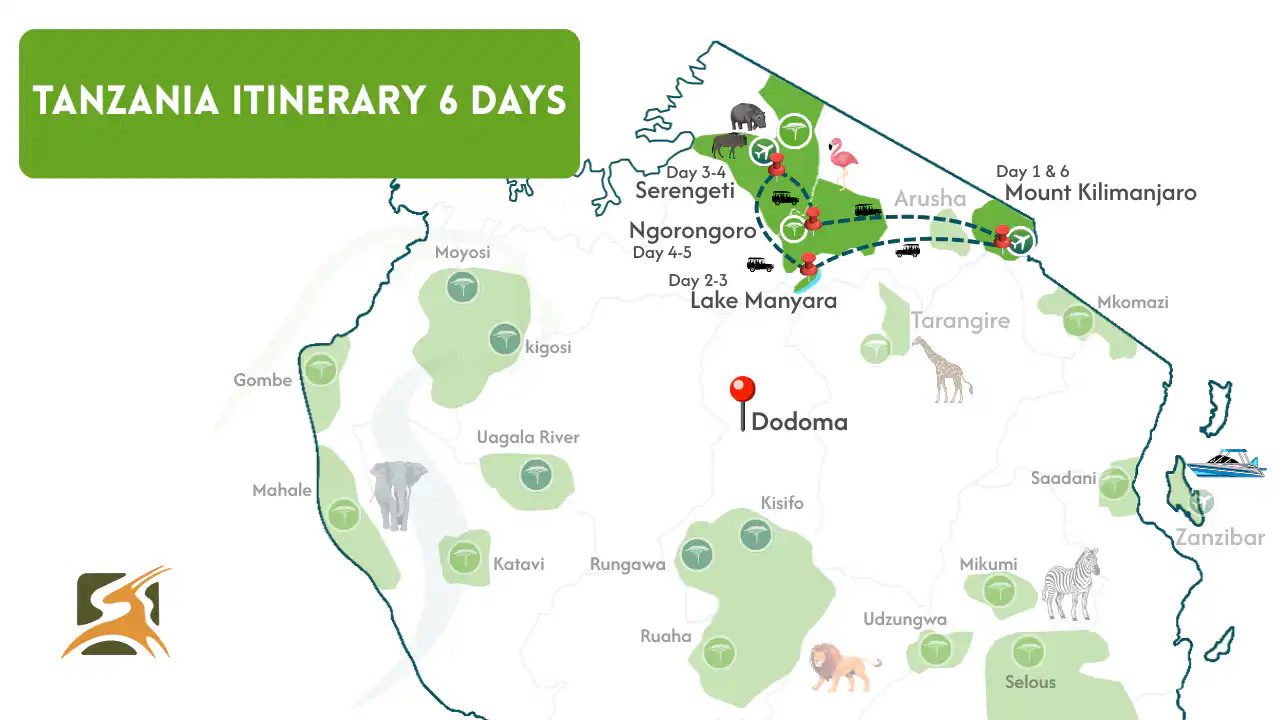
A 6-day Tanzania safari is best spent on the Northern Circuit, focusing on Lake Manyara, the Serengeti, and Ngorongoro Crater to minimize travel time and maximize diverse wildlife sightings.
| Day | Destination | Highlight | Stay |
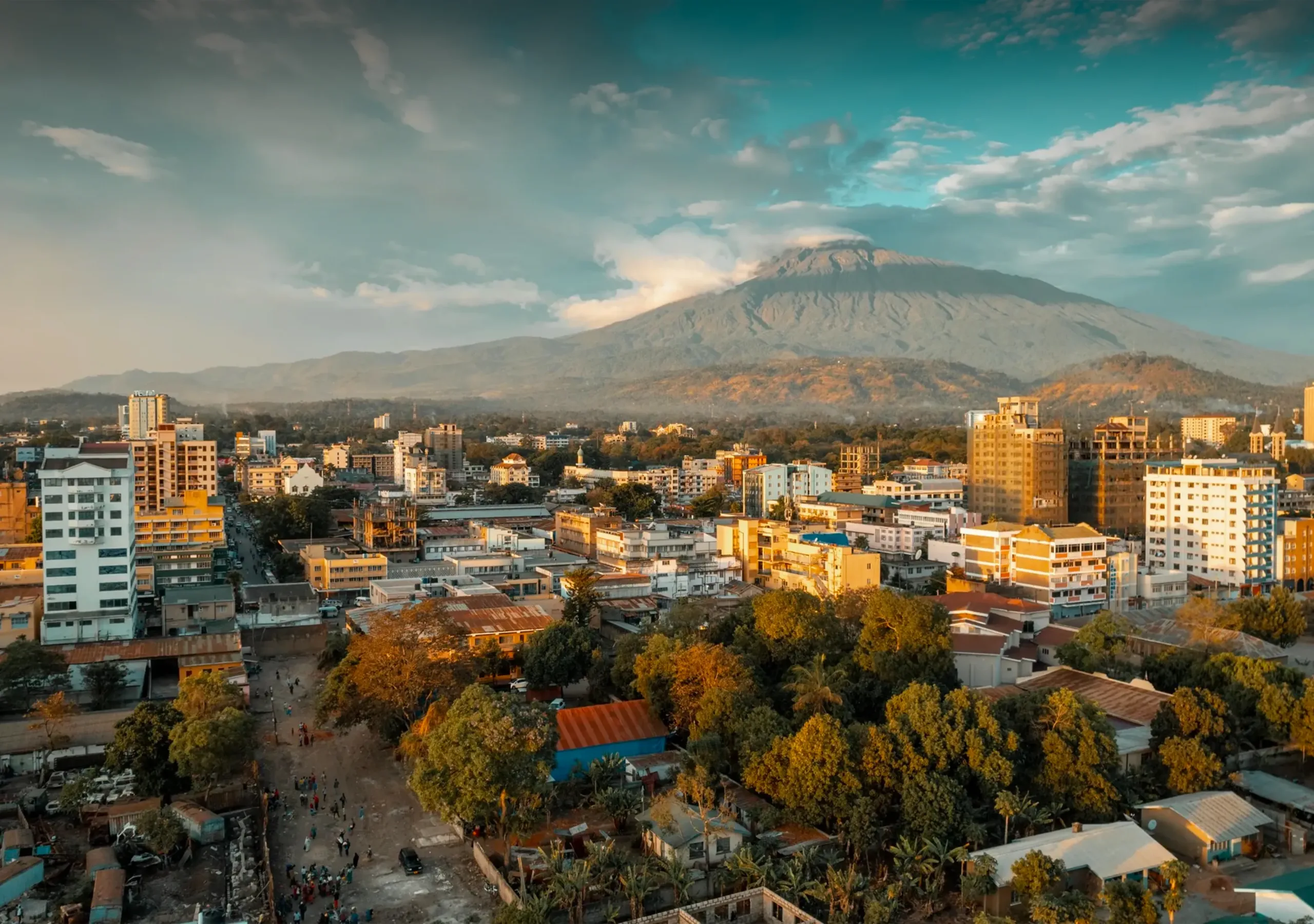
| 1 | Arusha | Arrival & Mt. Kilimanjaro views | Kibo Palace Hotel |
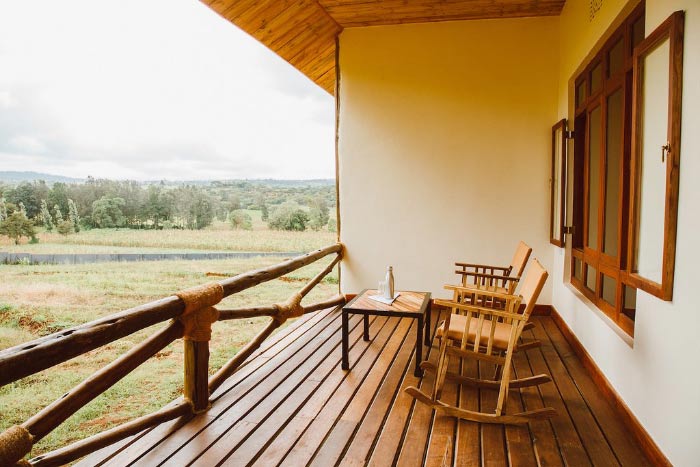
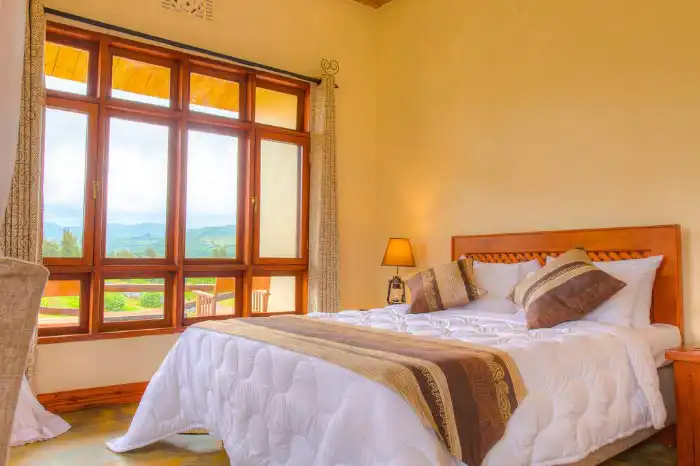
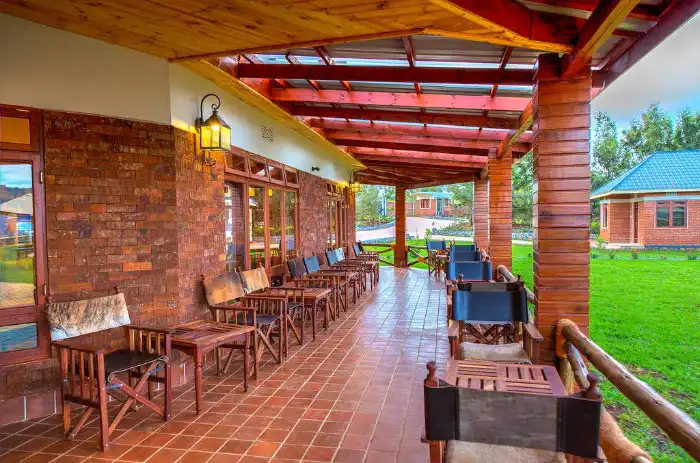
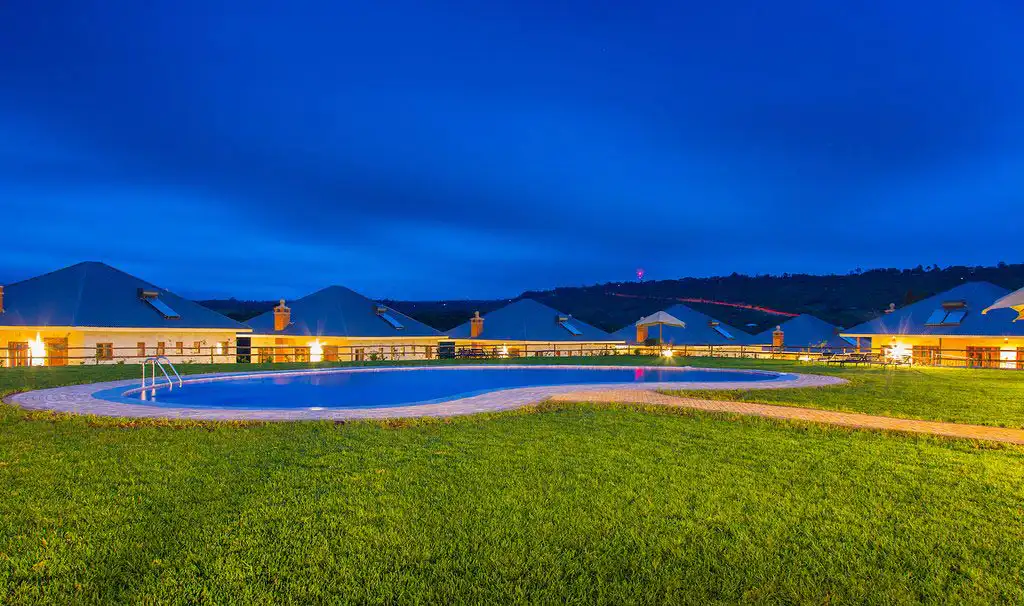
| 2 | Lake Manyara | Tree-climbing lions & Flamingos | Marera Valley Lodge |
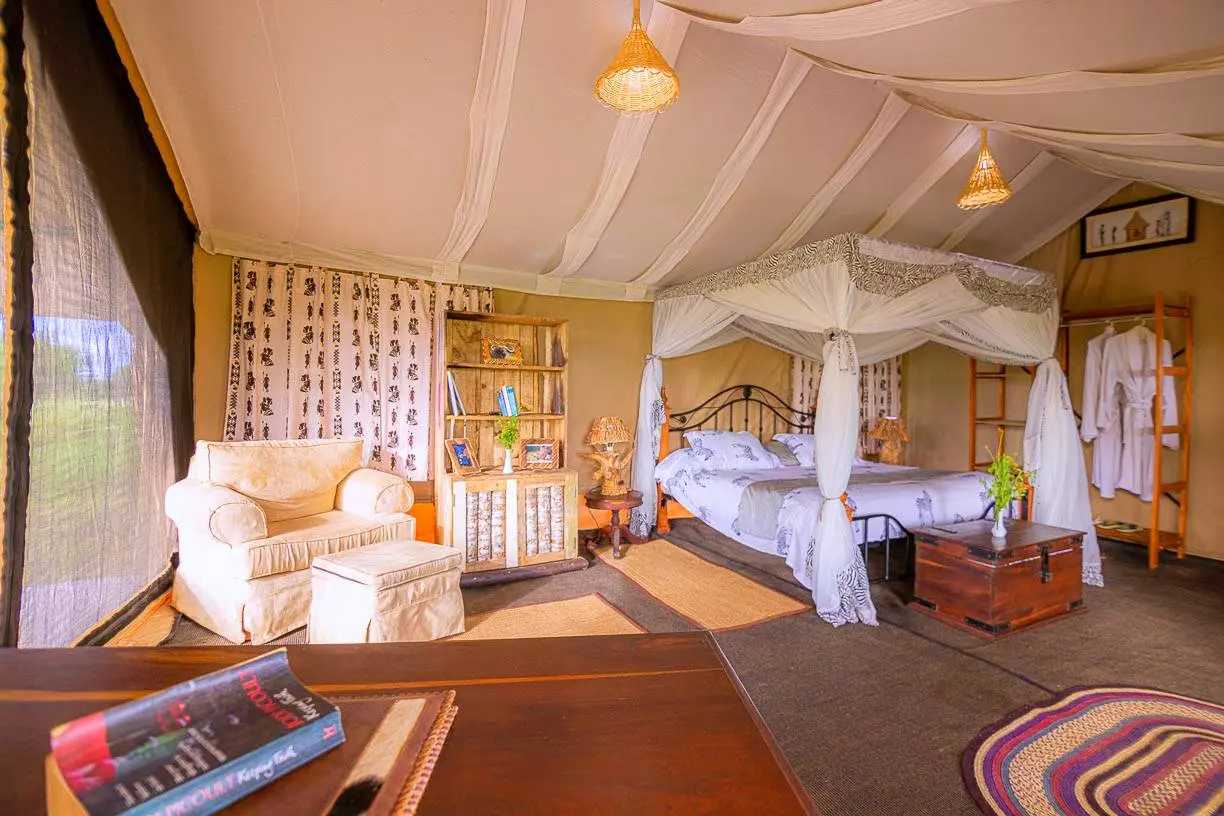
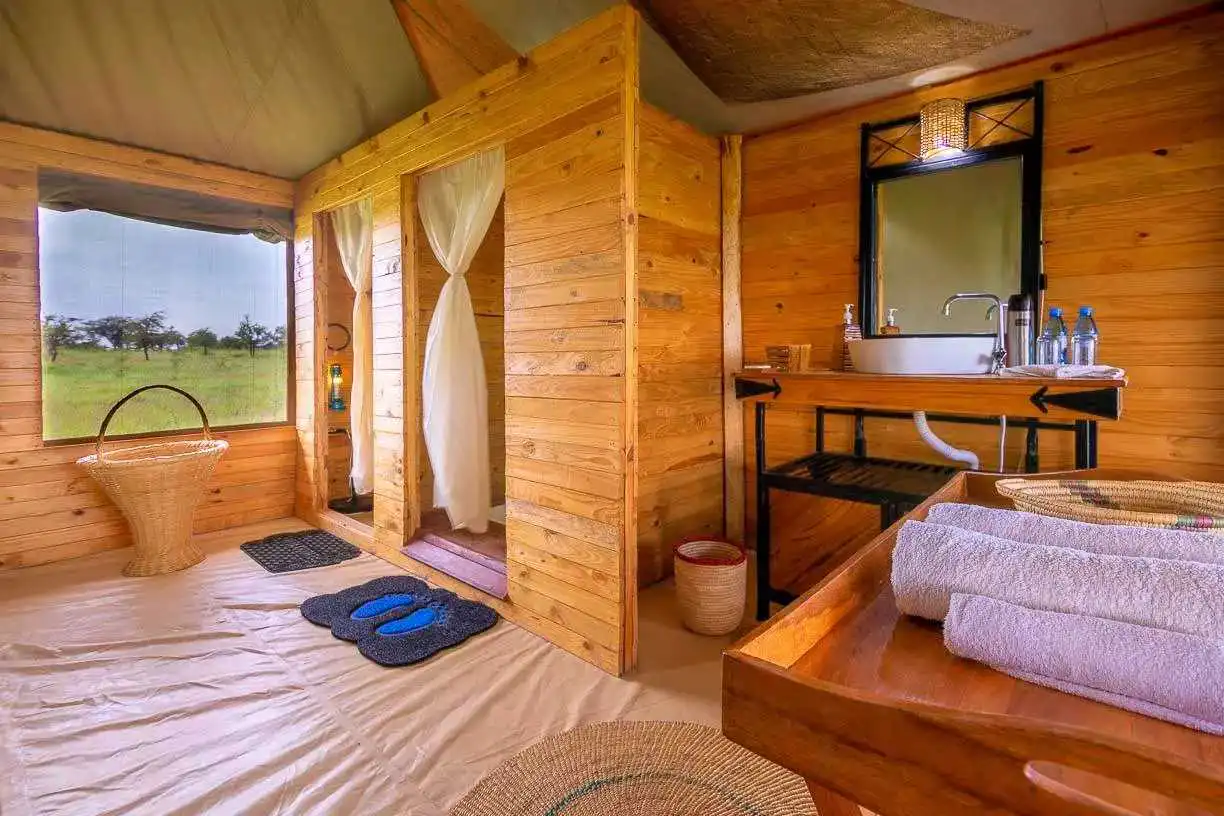
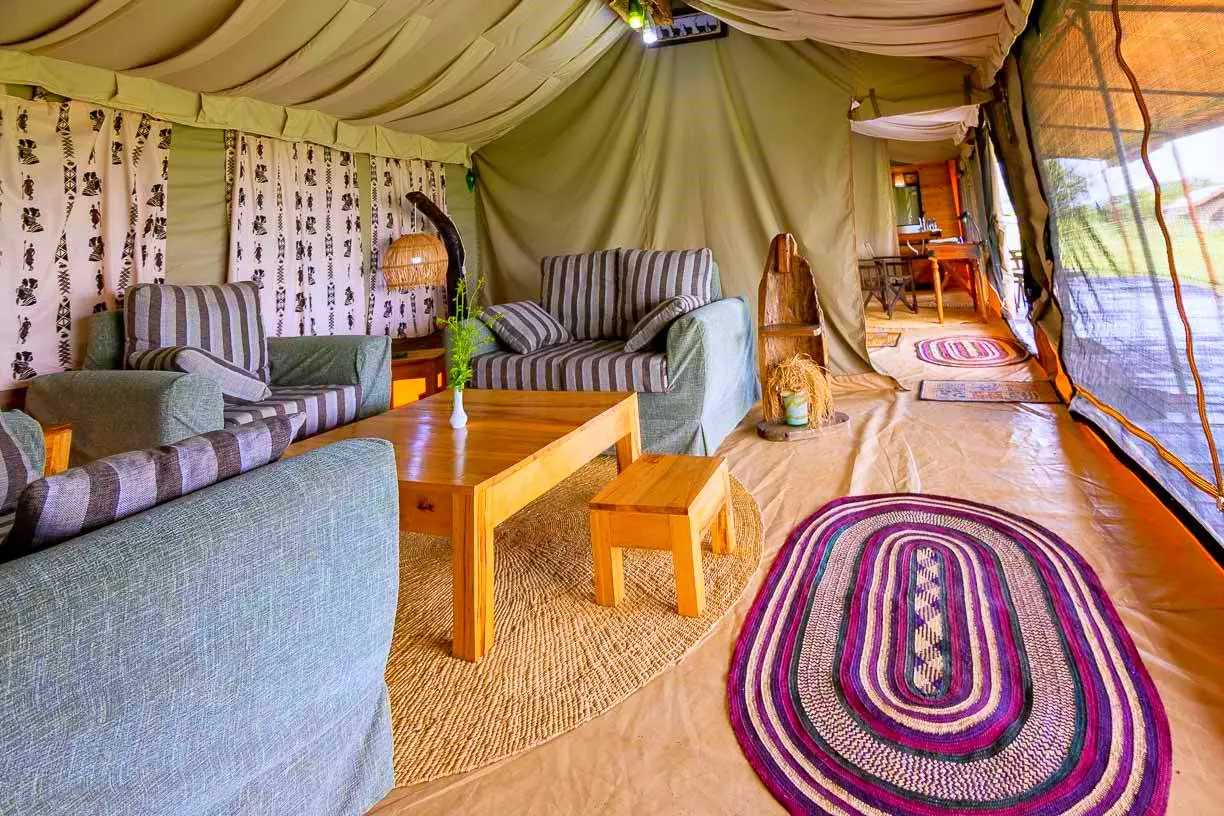
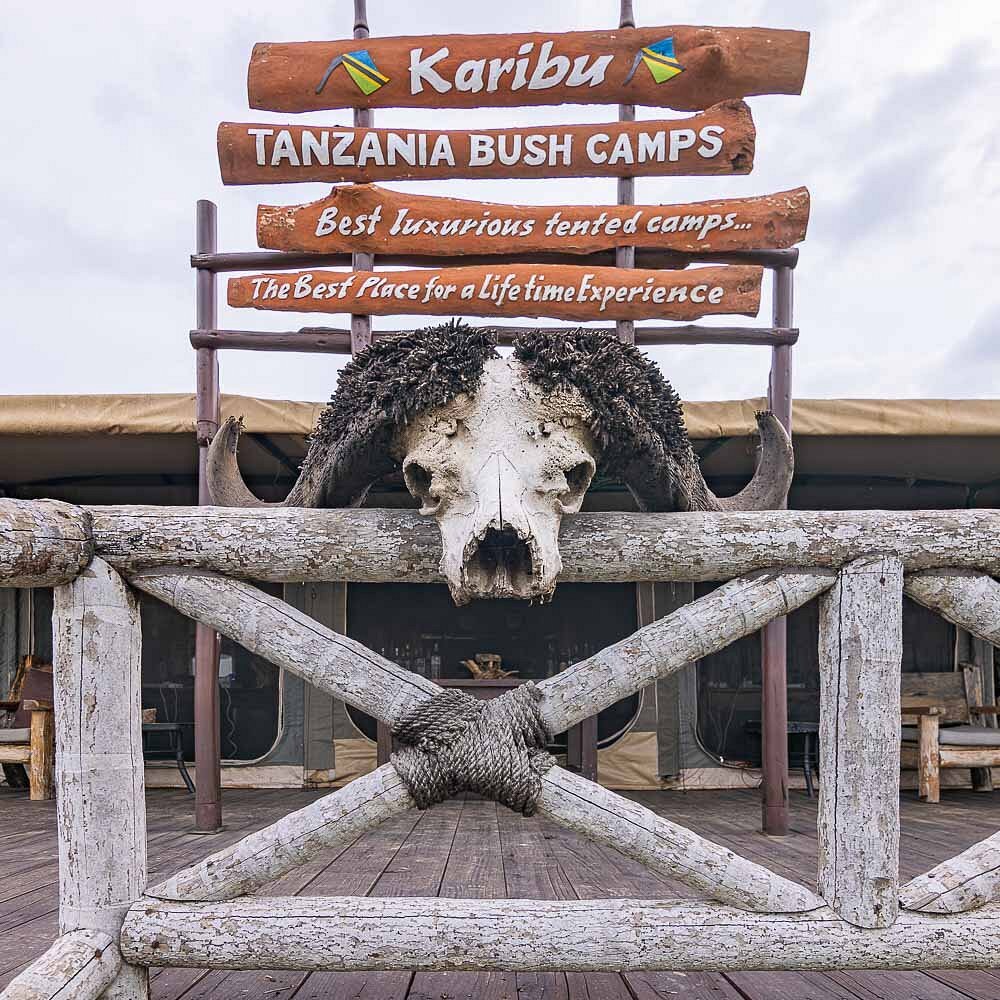
| 3 | Central Serengeti | Golden savanna & Giant Kopjes | Tanzania Bush Camp |
| 4 | Serengeti Plains | The Great Migration & Big Cats | Tanzania Bush Camp |
| 5 | Ngorongoro Crater | The “Eden of Africa” (Black Rhino) | Marera Valley Lodge |
| 6 | Arusha/Airport | Last-minute curio shopping | Depart |
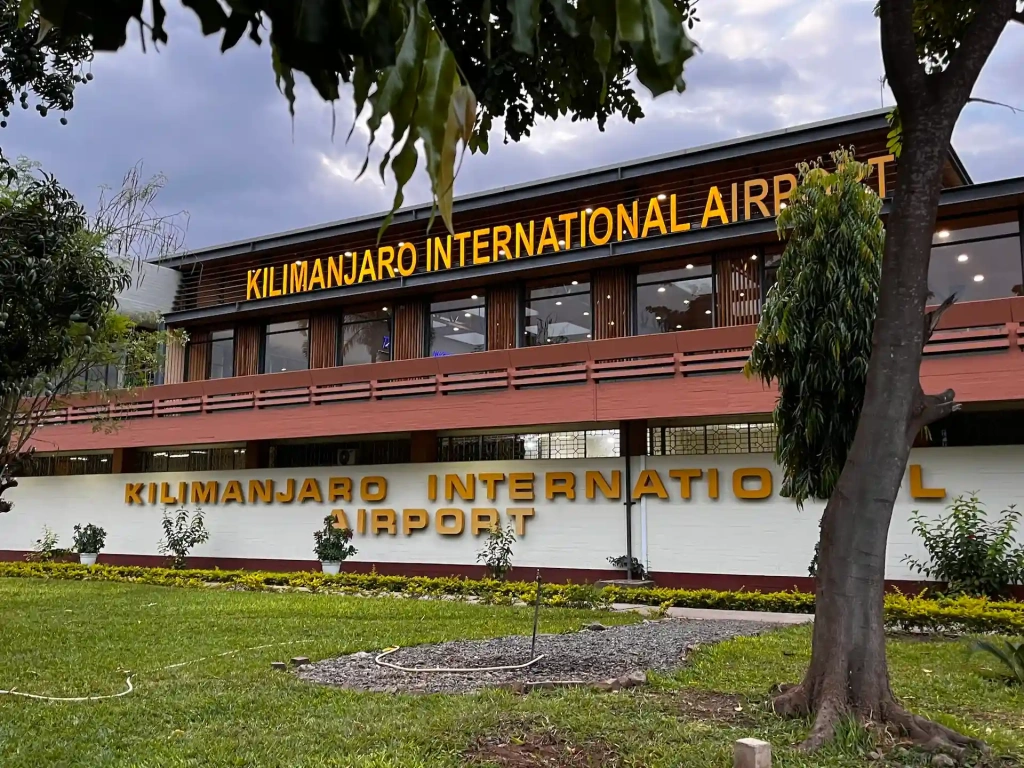
Upon landing at Kilimanjaro International Airport (JRO), you transfer 1 hour to Arusha, the gateway to the wild, for a briefing and rest before the dusty trails begin tomorrow.
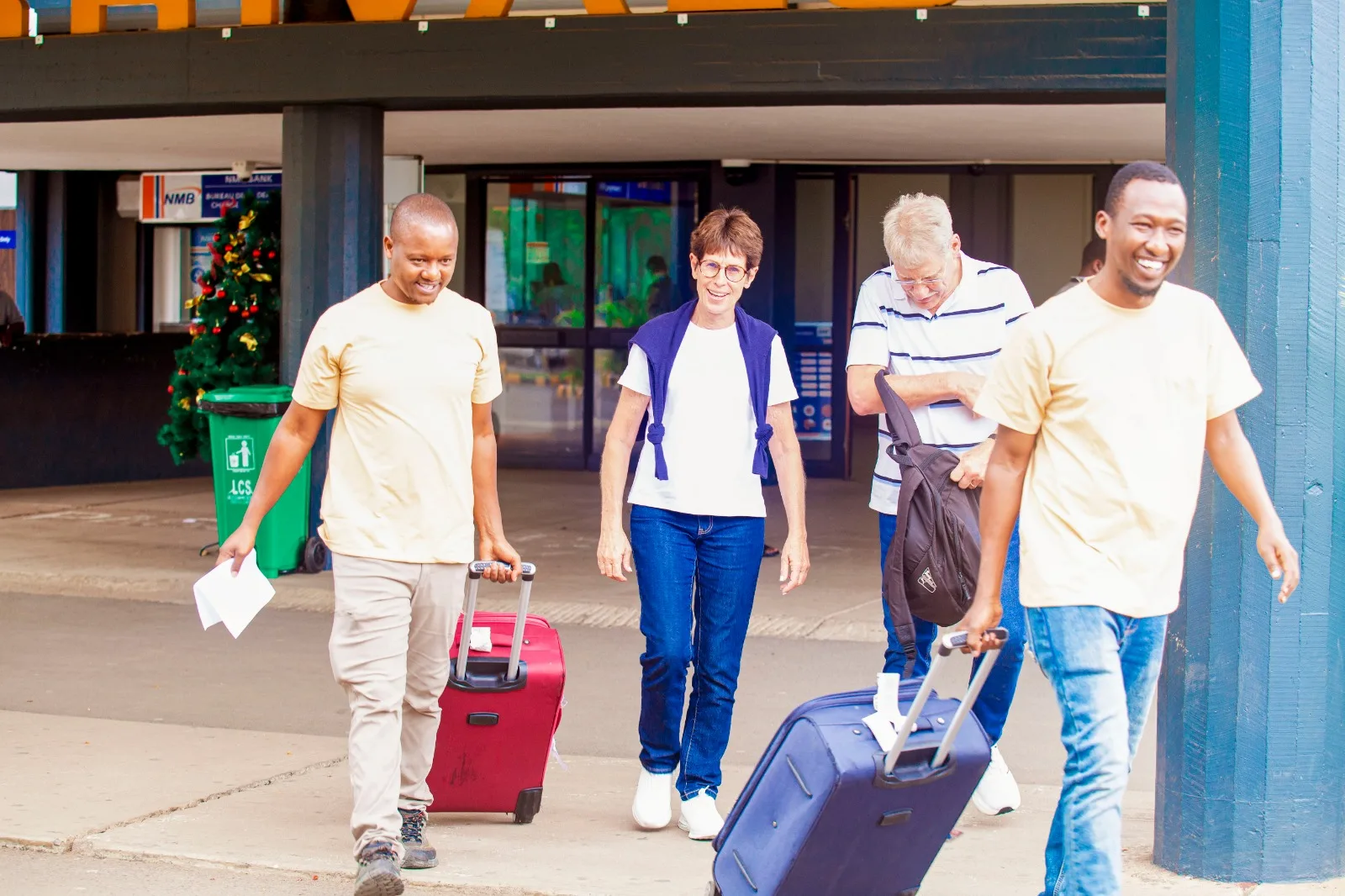
When you step off the plane, the first thing you’ll notice is the air—it’s crisp and carries the scent of roasted coffee and red earth. Our team will meet you at the gate, and if the clouds behave, you’ll see the snow-capped peak of Mount Kilimanjaro watching over you as we drive toward Arusha.
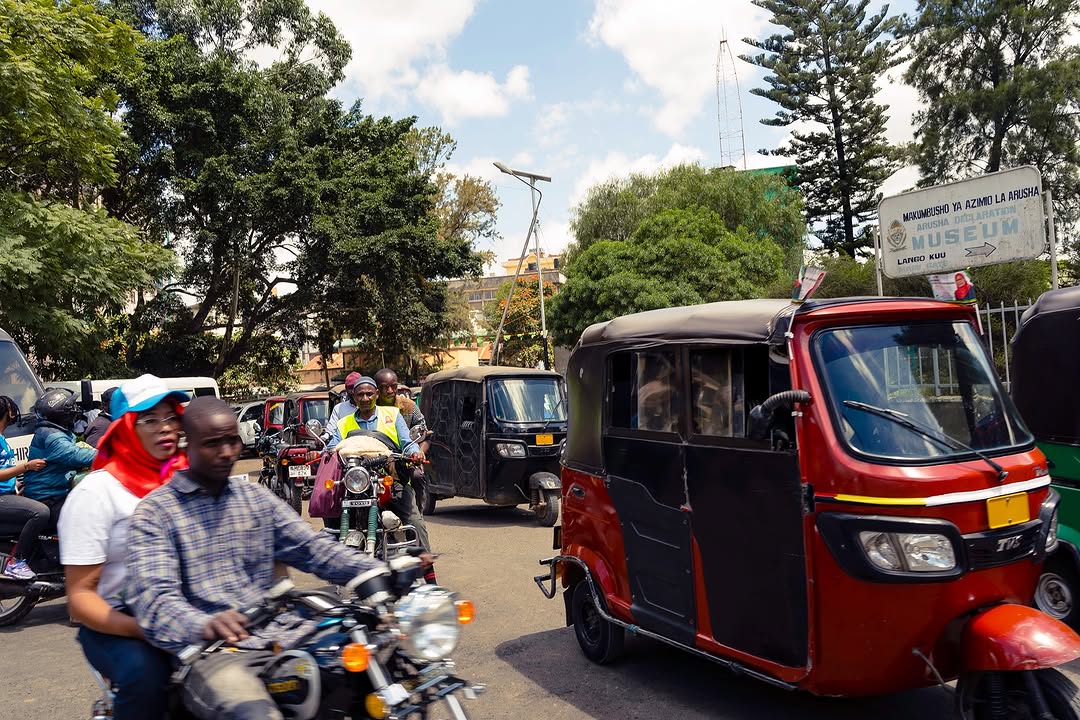
Pro-Tip: Don’t just stay in your room! Arusha is a bustling hub. Ask your driver to point out the local “Dala Dalas” (mini-buses) or the small roadside fruit stands. Grabbing a fresh mango or a cluster of red bananas is the best way to start your Tanzanian journey.
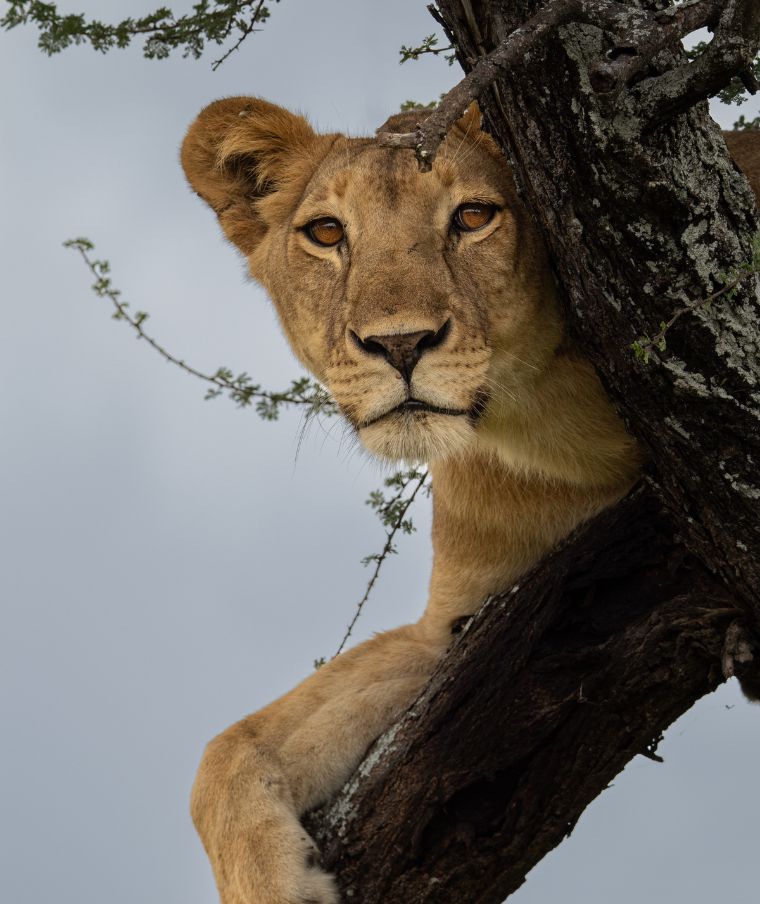
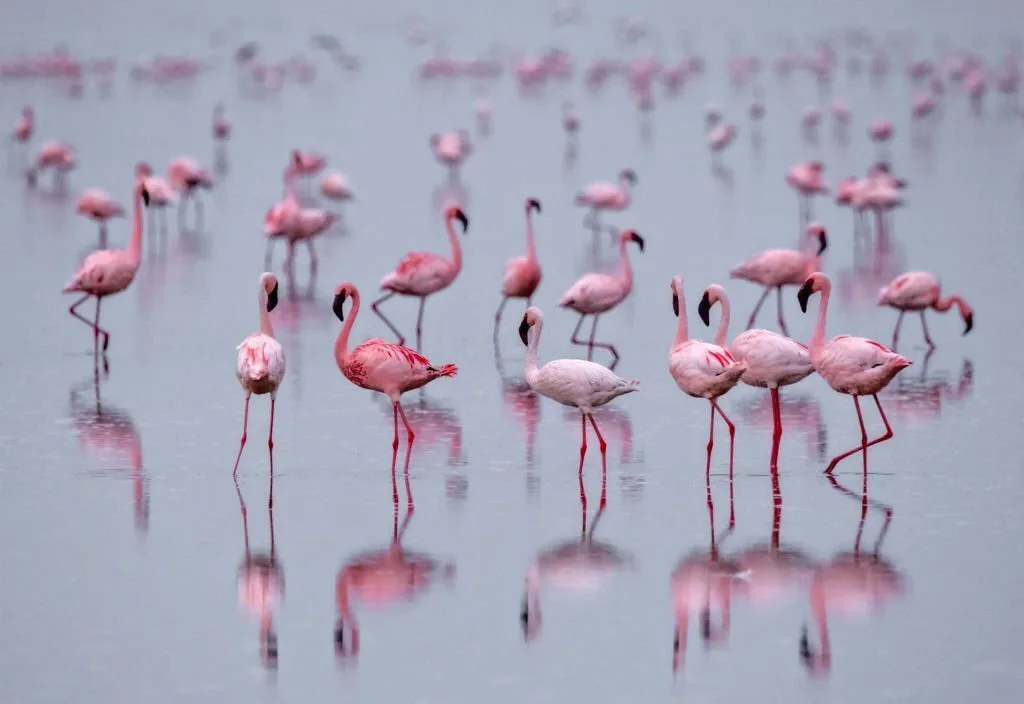
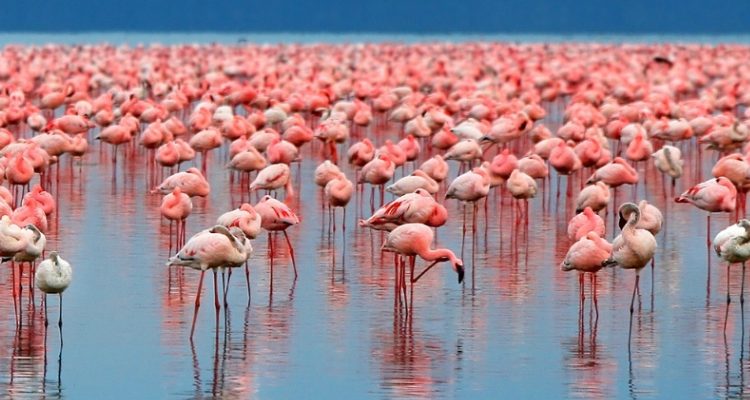
Direct Insight: Lake Manyara National Park offers a lush groundwater forest and a soda lake famous for thousands of flamingos and rare lions that have adapted to climbing ancient mahogany trees.
We head out after breakfast toward Lake Manyara. Most people think of safaris as dry grass, but Manyara is a jungle. You’ll enter through a tall forest where baboons and blue monkeys play in the canopy. It feels like a scene from a movie.
The real stars here are the flamingos. From a distance, the lake looks like it has a pink shoreline, but as you get closer, you realize it’s thousands of birds. We will stop for lunch at the hot springs—a natural geothermal site where the water is hot enough to boil an egg!
Comparison: Manyara vs. Other Parks
Manyara: Lush, green, great for birds and monkeys.
Serengeti: Wide open, best for big cats and massive herds.
Today you will journey to the Serengeti National Park. The drive will take several hours.
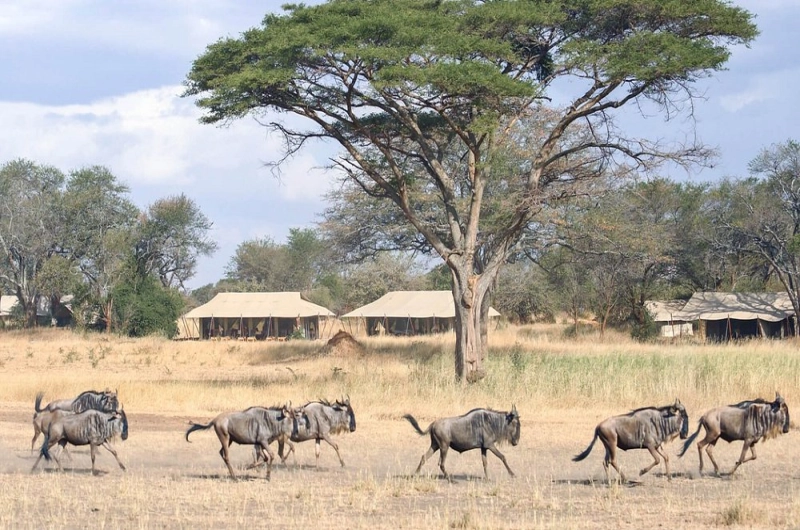
On your way, you will stop for a picnic lunch in the Ngorongoro Highlands before meandering into the Serengeti, searching for wildlife as you make your way to your tented camp.
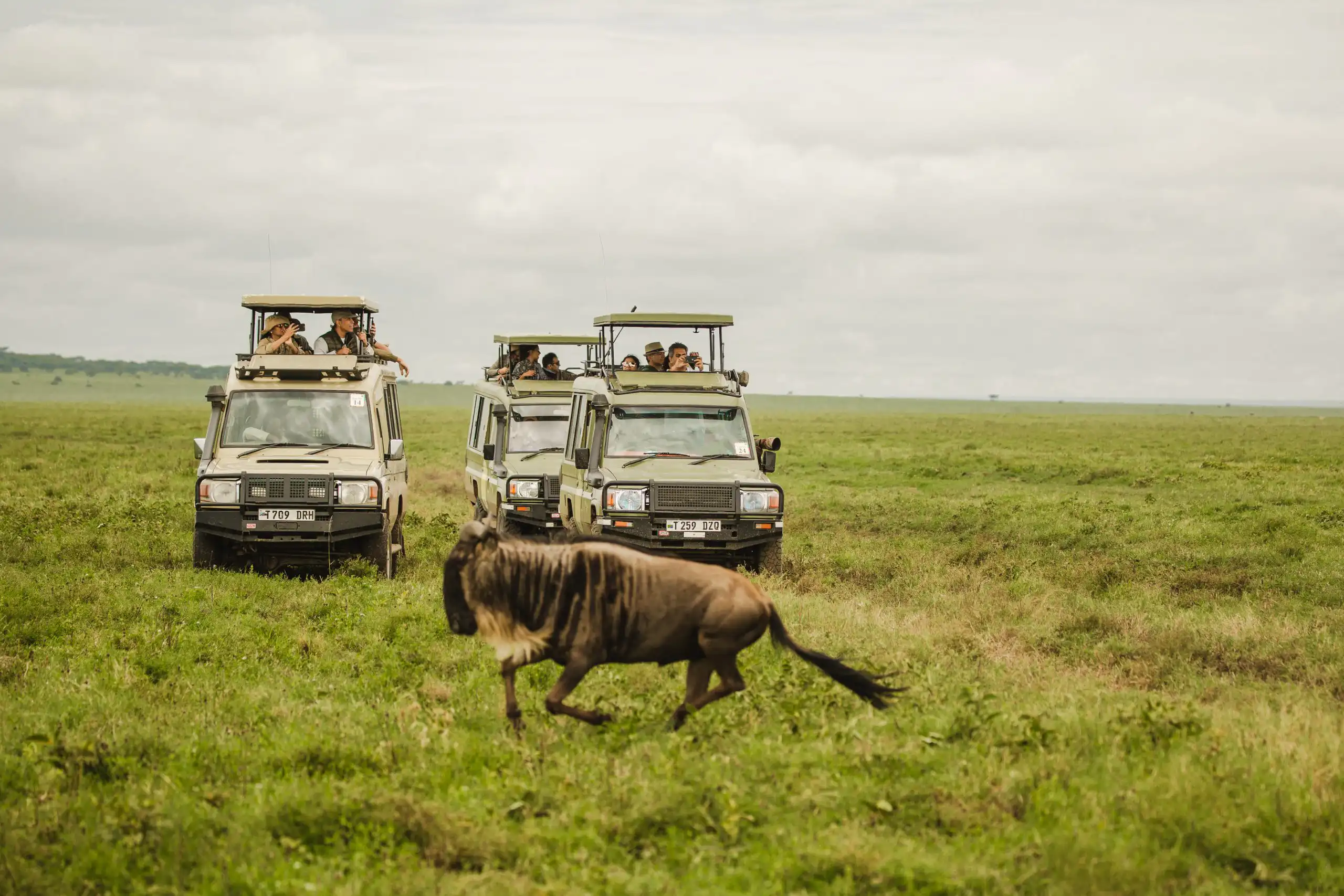
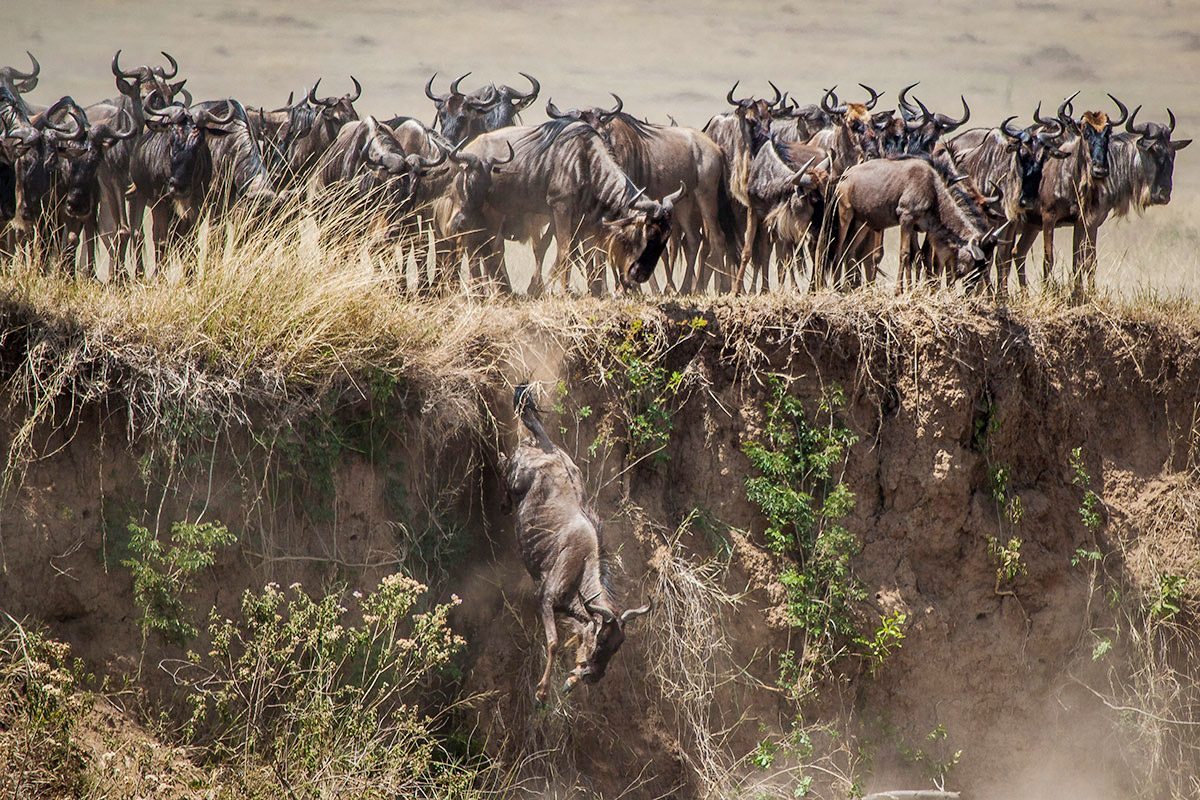
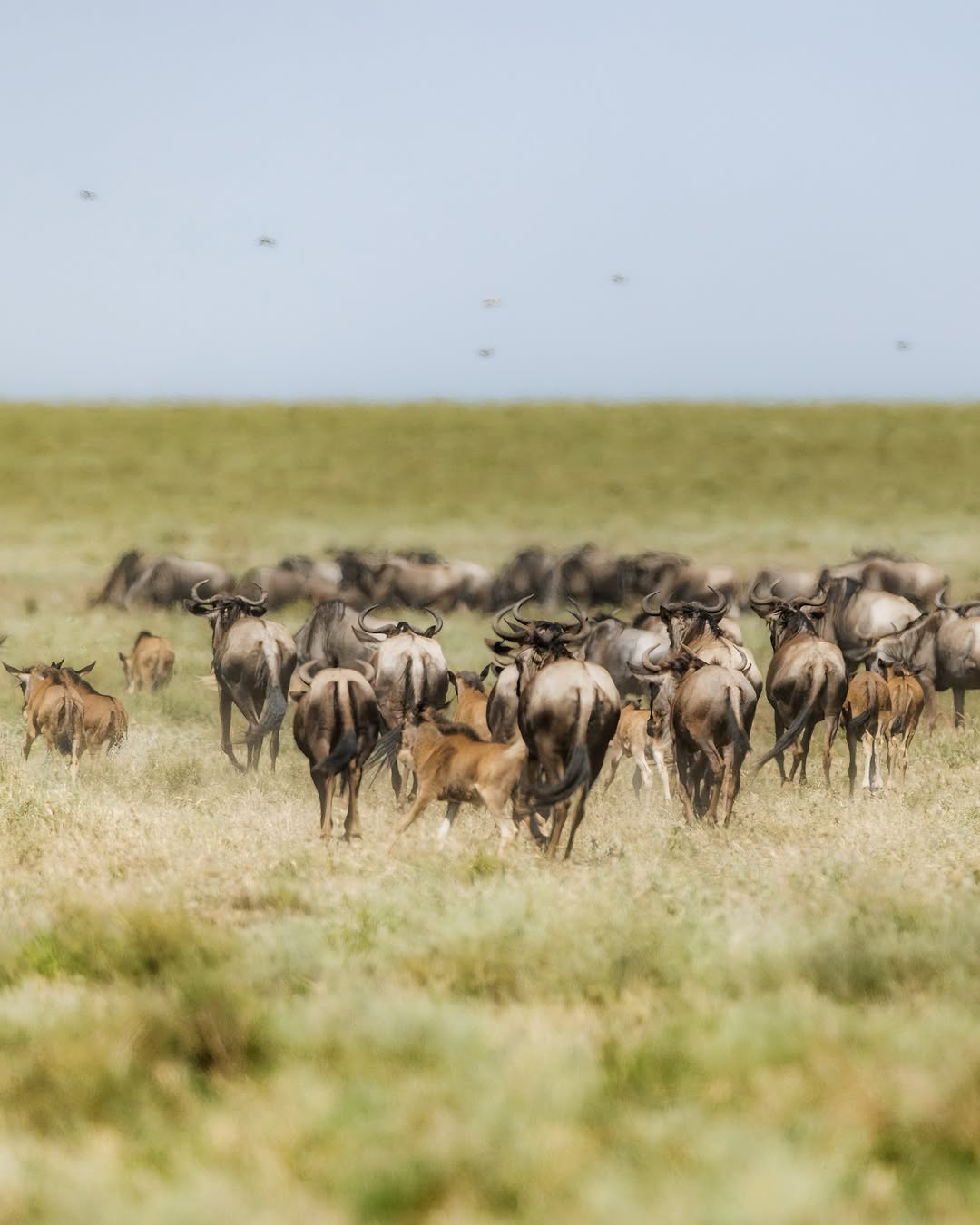
The Serengeti National Park is widely known as the place to go on safari, mostly because of the great migration. Many of the most impressive nature films are shot during this movement of large animals, and together with your guide you will witness for yourself the enormous, stampeding herds on their search for food. An experience never to forget!
The word Serengeti stems from the Maasai language and literally means endless plains. Many predators roam these vast grasslands; over four thousand lions, 225 cheetahs, a thousand leopards, 3500 hyenas and hundreds of wild dogs! And of course, plenty of other beautiful animals, which your guide will be delighted to search for together with you.
You will spend the evening in a beautiful tented camp in the Heart of Serengeti.
A full day in the Serengeti allows for early morning game drives when predators are most active, plus the chance to witness the Great Migration or a leopard hunt.
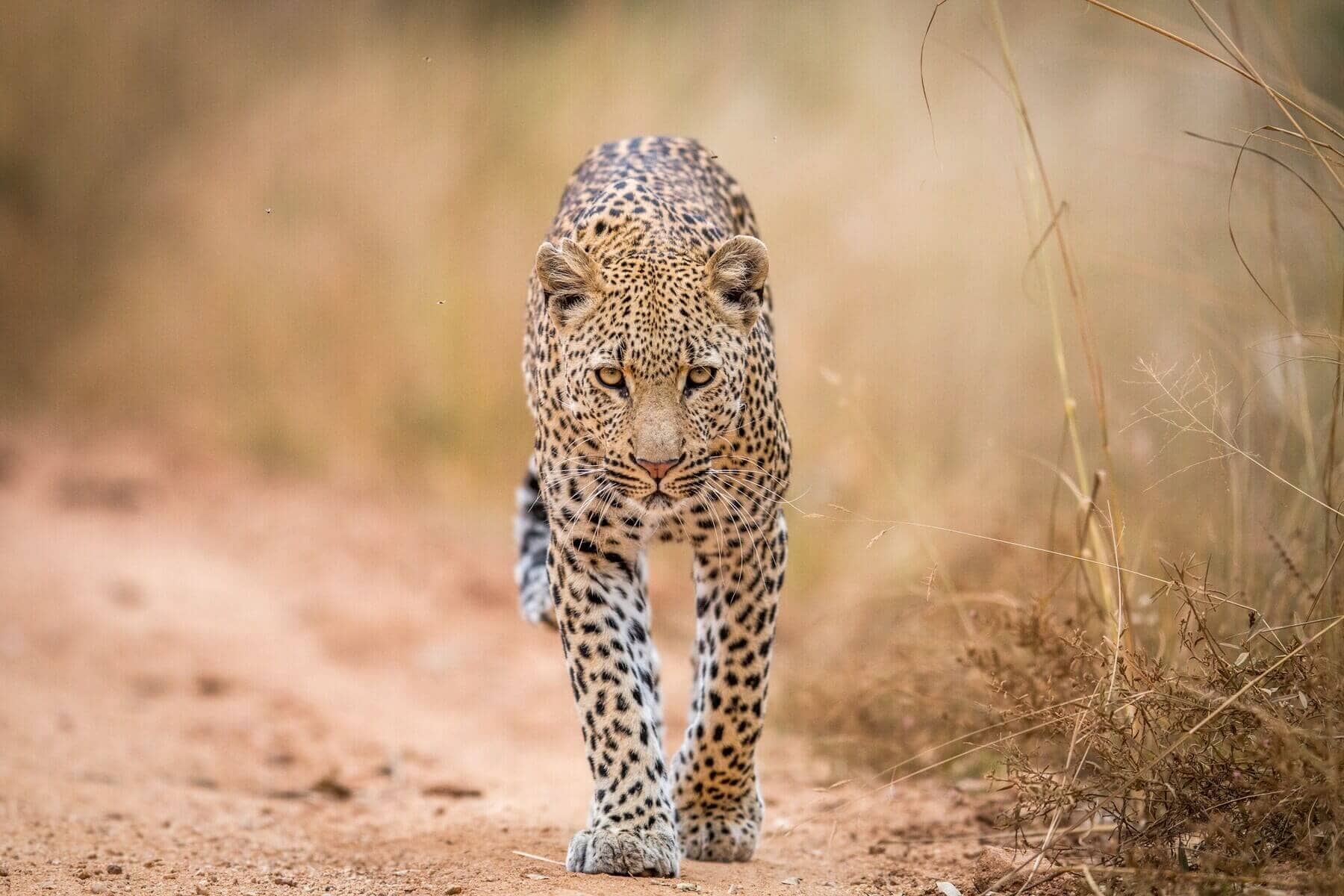
I always tell our guests: “The Serengeti never sleeps.” We start at dawn. Why? Because that is when the lions are finishing their night hunts and the leopards are still draped over the acacia branches.
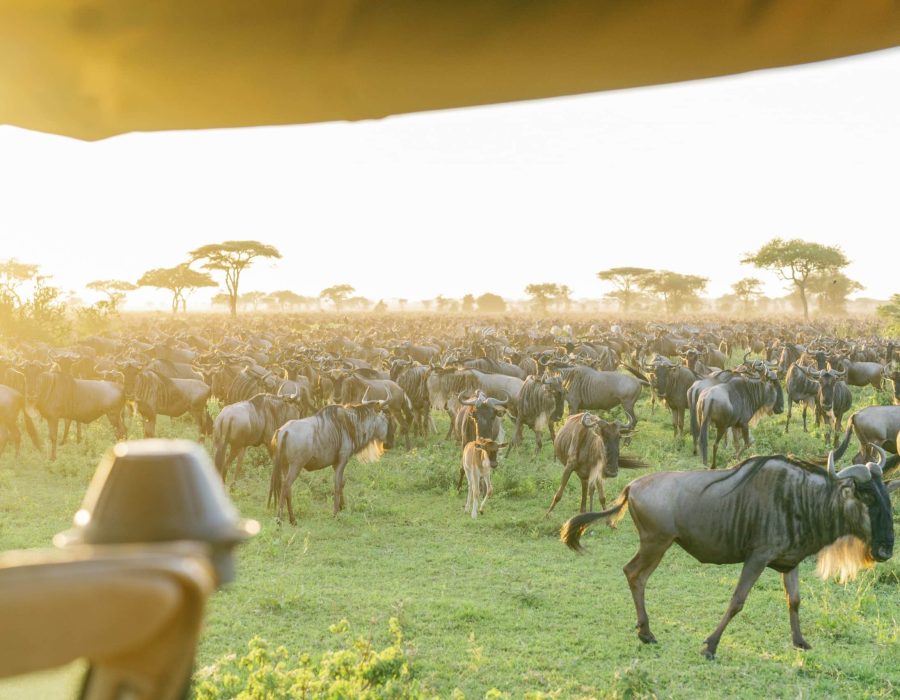
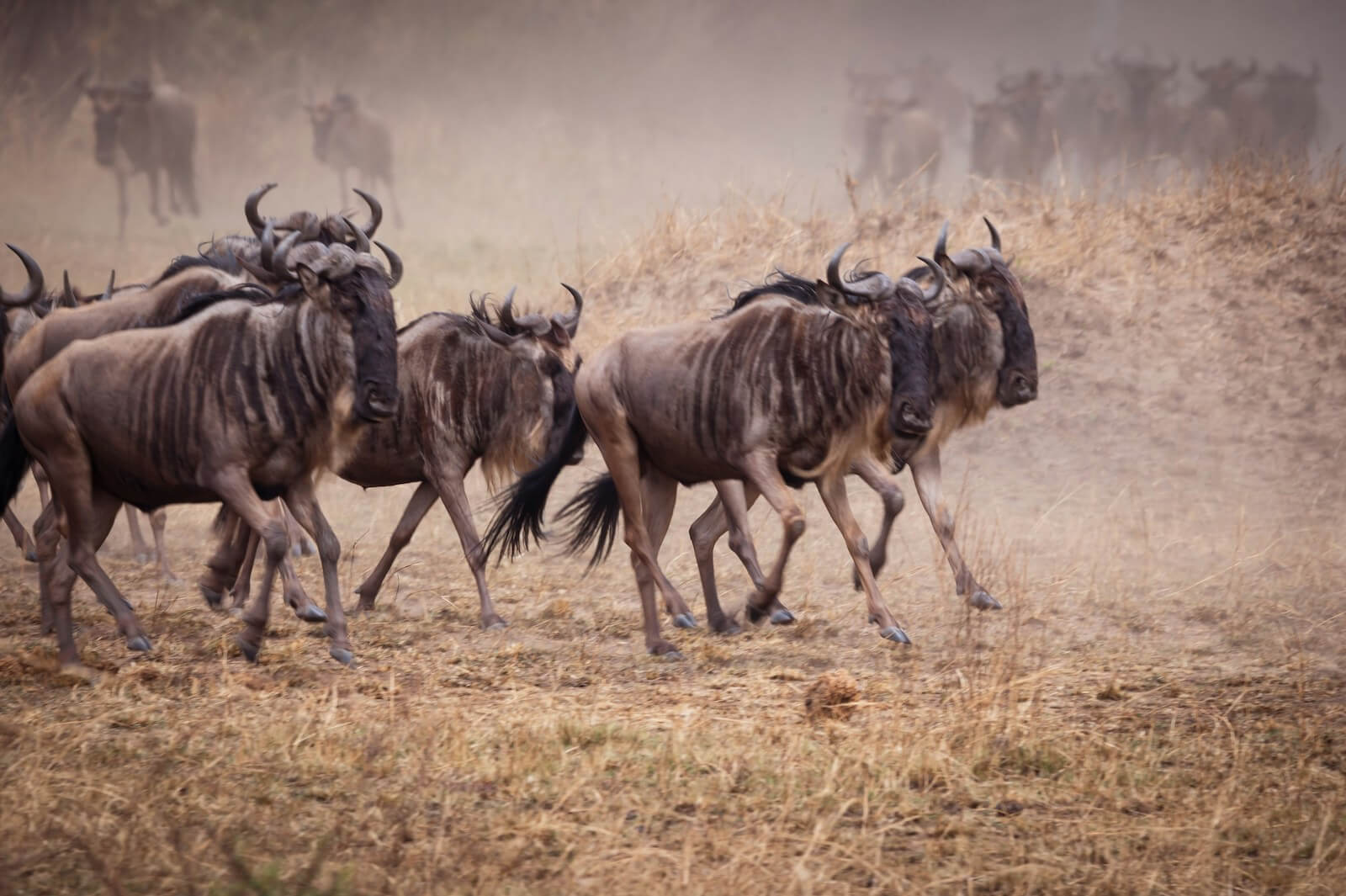
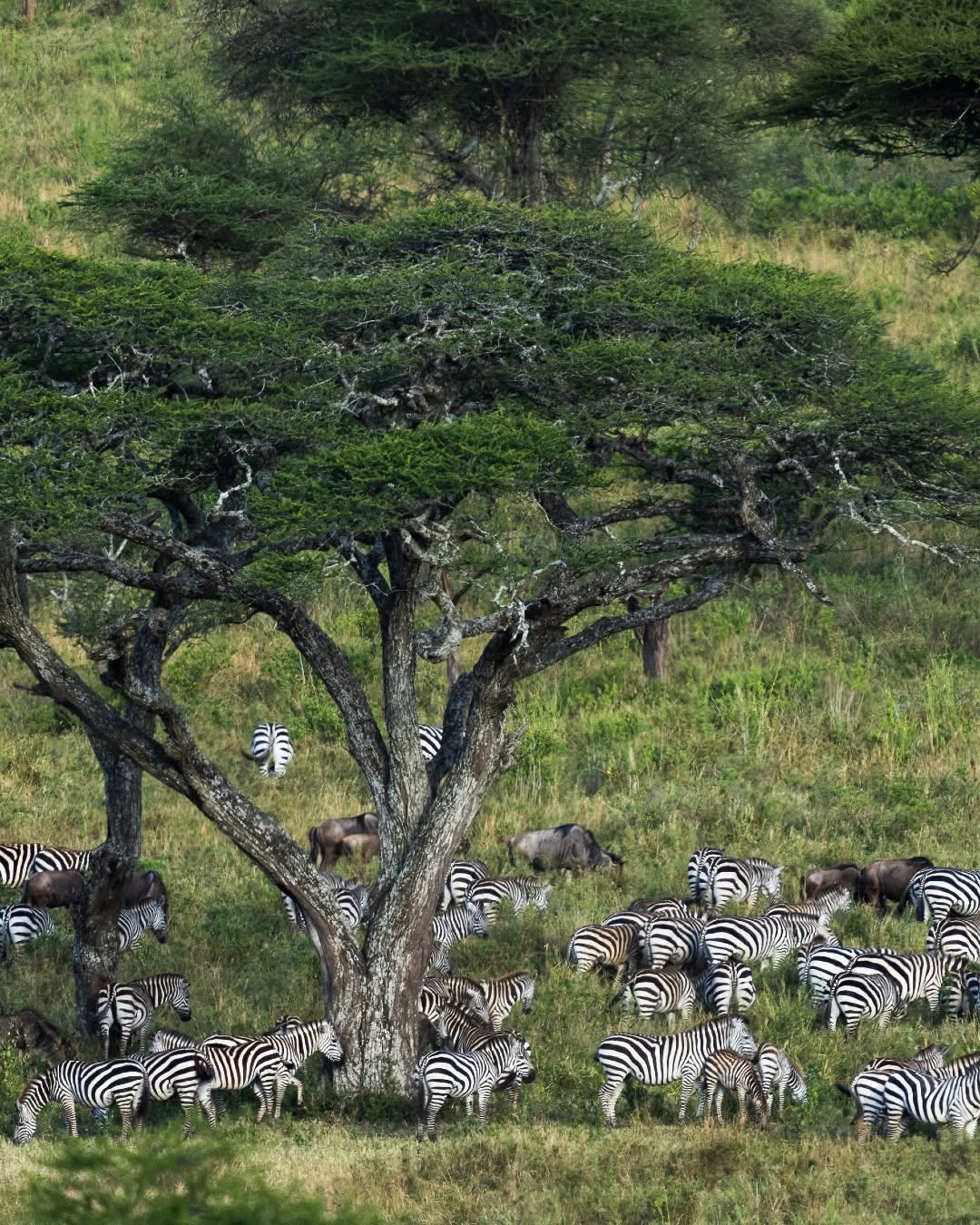
If you are here during the migration, you will see a moving carpet of over a million wildebeest and zebras. It sounds like a low thunder, and the smell of the herd is something you’ll never forget. For those looking for the ultimate “Human Touch,” we can arrange a balloon safari. Floating silently over the herds as the sun rises, followed by a champagne breakfast in the bush, is the pinnacle of the African experience.
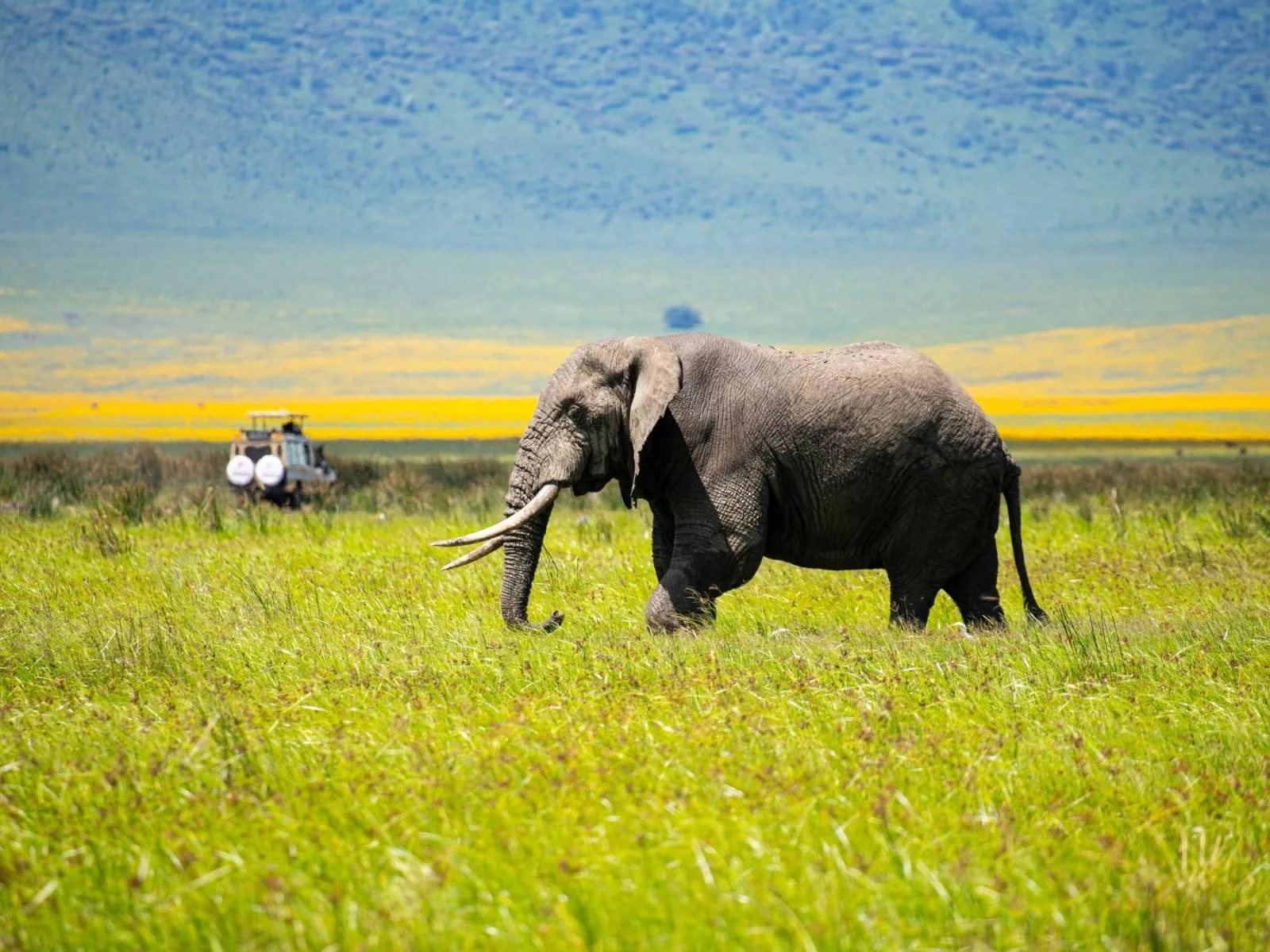
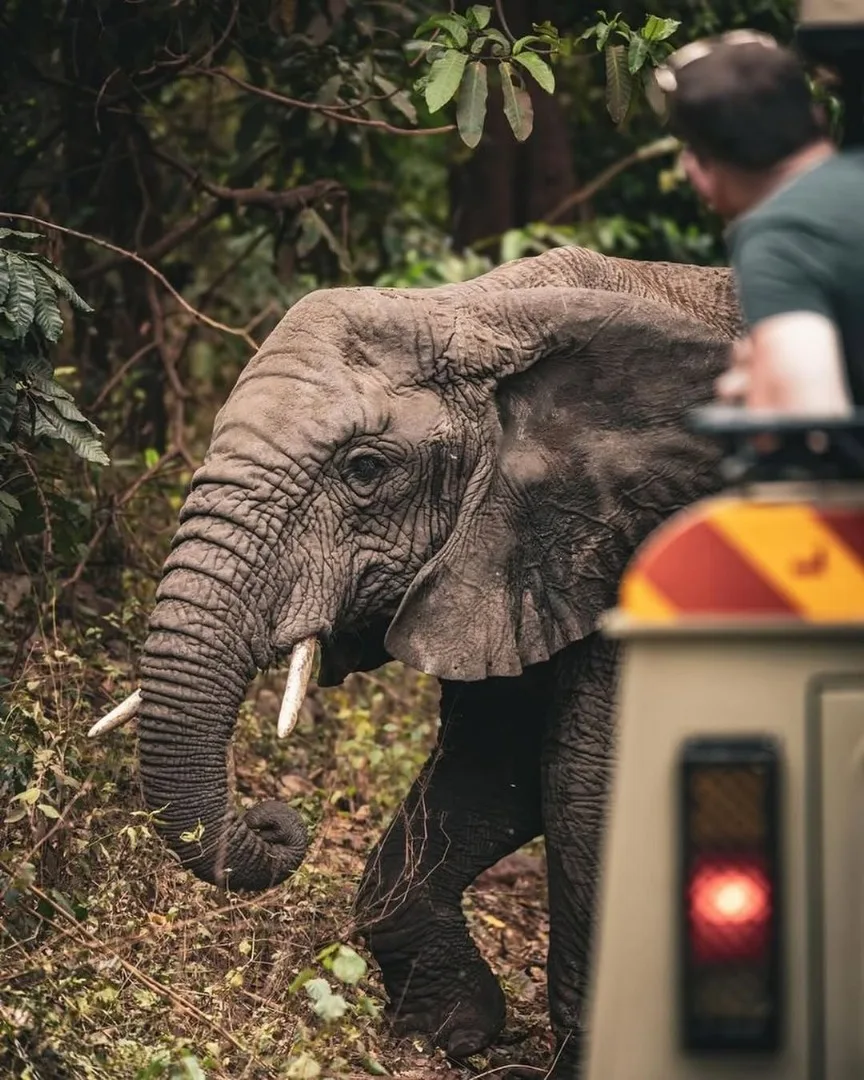
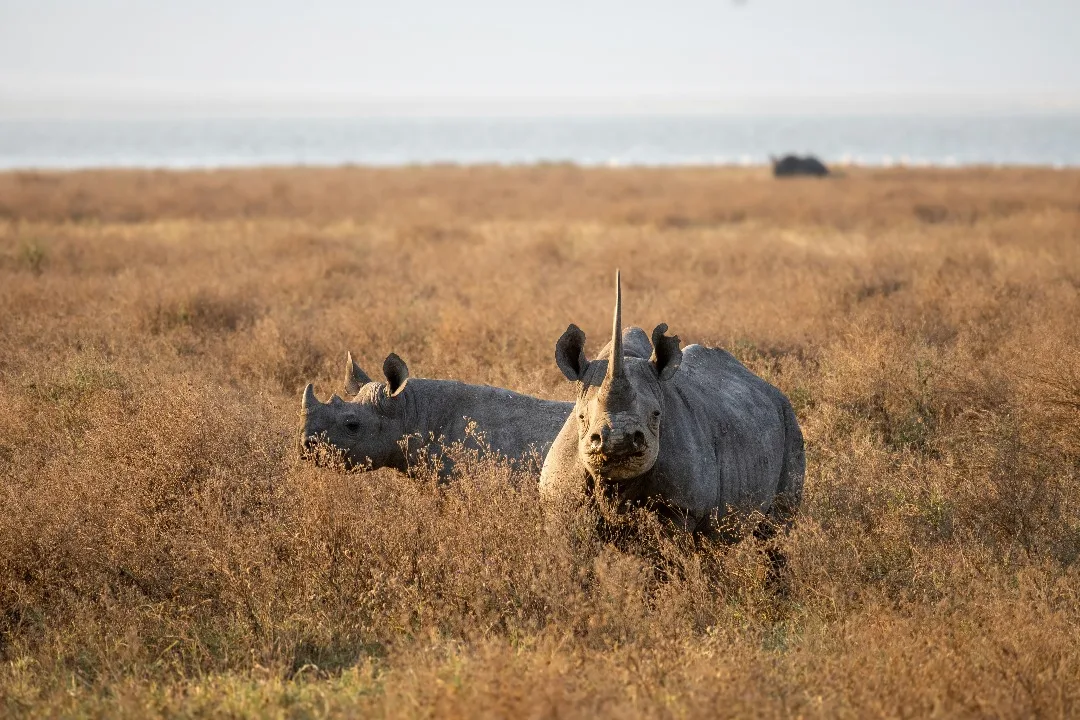
The Ngorongoro Crater is a self-sustaining caldera 600 meters deep, housing 30,000 animals including the endangered Black Rhino and some of the largest tusked elephants in Africa.
Imagine a giant bowl filled with every animal you’ve ever wanted to see. That is the Ngorongoro Crater. Because the walls are so high, many animals stay here year-round. It has its own forest, its own lake, and its own swamp.
It is the best place in Tanzania to see the Black Rhino. They are shy and rare, but in the Crater, your chances are much higher than anywhere else. We’ll have a picnic lunch by the hippo pool. Watching a 2-ton hippo yawn while you eat a sandwich is a memory that sticks!
The final day involves a leisurely drive back to Arusha for a farewell lunch and souvenir shopping before heading to the airport for your flight home.
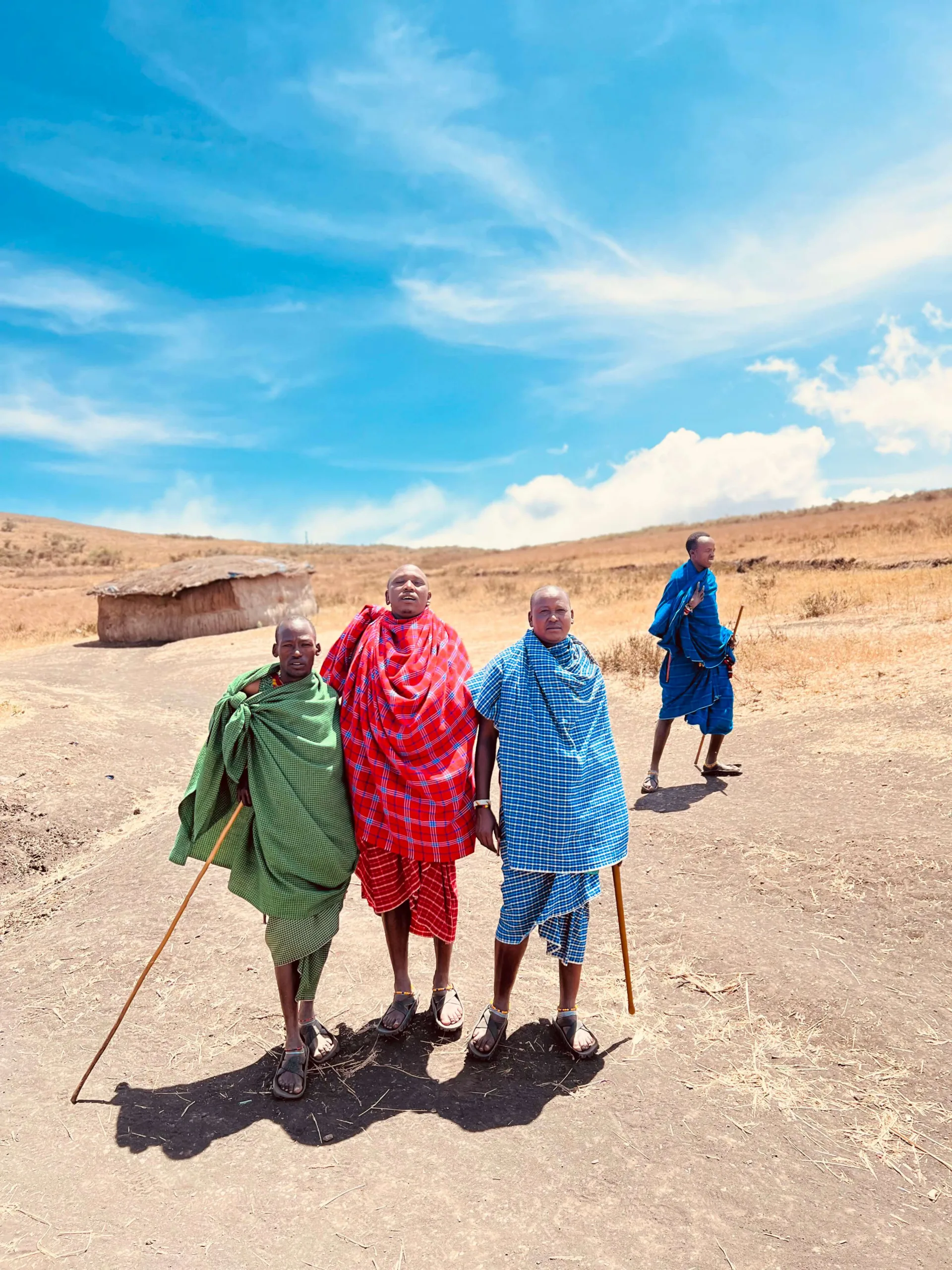
Even on the drive back, keep your camera ready. You’ll pass through Maasai villages where you can see the “red cloaks” of the warriors against the green hills. Before we take you to the airport, we usually stop at a local market.
Pro-Tip: If you want to buy Tanzanite or hand-carved ebony, let us know. We know the local shops where the quality is guaranteed and the prices are fair for the local craftsmen.
| Group Size | Price Per Person | What’s Included? |
| 2 People | $2,510 | Private 4×4, All Park Fees, Meals, Mid-Range Lodges |
| 3 People | $2,188 | Private 4×4, All Park Fees, Meals, Mid-Range Lodges |
| 4 People | $1,985 | Private 4×4, All Park Fees, Meals, Mid-Range Lodges |
Receive a free Tanzania safari quote straight to your email within 6 hours! Customize your preferences, and we’ll craft a unique experience just for you. Prices vary based on group size and accommodation choice.
Our tours are top-notch but give you great value. The price we tell you upfront covers most of the costs for one person, like flights and all transfers.
*For the most recent reviews/testimonials from our guests, please visit our TripAdvisor page and Trustpilot.
EXCELLENTVerified Safari May 2026 This company exceeded everything we’d hoped for. From the start, the tour operator had everything covered — a detailed itinerary laid out well in advance, quick responses to any questions, and a genuine attentiveness that made the whole thing feel effortless. The accommodation was seriously impressive. Not what I was expecting at all — comfortable, well-appointed, and luxurious. We also spent time right in the heart of the bush. A proper treat. The two people who really made this trip were our guide Mariki and photographer Agnes. Mariki’s knowledge of the bush and animal behaviour is something else — he always seemed to know exactly where to go, and his instincts paid off every single time. Agnes has a brilliant eye and captured shots we could never have got ourselves. As for the wildlife — we saw far more than we ever imagined we would. Elephants, lions, leopard, buffalo, giraffe, zebra, hippos — the lot. As a first safari, I couldn’t have asked for more. Would recommend without hesitation.Posted onVerified Great Experience with Tanzania Safari Experience We had an amazing safari with Tanzania Safari Experience, and honestly the whole trip was put together really well by Laurent and his team. From our first message to the last day, they were easy to reach, quick to reply, and clear about everything. The plan made sense, the timing was smooth, and we didn’t have to stress about anything. Uncle J was a big part of what made it special. He knows the parks incredibly well and seems to notice things before anyone else. He’d position the vehicle perfectly for photos and often got us to sightings before the crowds built up. We were lucky to see [your highlights: migration / lions / cheetahs / elephants / a crossing], and every drive felt exciting and different. The vehicle was comfortable and in good shape, and everything ran on schedule. If you’re looking for a well-organized safari with a great guide, I’d definitely recommend Tanzania Safari Experience.Posted onVerified An absolutely brilliant tour / travel company What can I say. How do you explain PERFECTION. I will try. From the outset of our trip Ramadhan and Laurent were excellent. We gave them our requirements and budget and they prepared a program that was outstanding. The whole safari went like clockwork. We were met and briefed by Ramadhan on our arrival and introduced to our driver and guide extraordinar Ngoi. We visited Tarangier, Serengeti, Ngorongoro and the Ngorongoro Crater and Zanzibar. Absolutely brilliant trip, we saw the most extraordinary game. All the accommodation arranged for us was magnificent, especially the tented camps, where we were visited by a lion and elephant, scary but exhilarating. So if you are looking for an unforgettable experience look no further than Laurent and Ramadhan from Tanzania Safari Experience. They truly put clients first and foremost and deliver on their promises. Cheers from a very satisfied Chris and Terri HarveyVerified by TrustindexTrustindex verified badge is the Universal Symbol of Trust. Only the greatest companies can get the verified badge who has a review score above 4.5, based on customer reviews over the past 12 months. Read more
The dry season from late June to October is perfect. The animals gather around water holes, making them very easy to spot. If you want to see the migration calving, January to March is the time.
Yes! By visiting the Serengeti and Ngorongoro Crater, your chances of seeing Lion, Leopard, Elephant, Buffalo, and Rhino are extremely high.
Layers are key. It is freezing cold on the Ngorongoro rim at 6:00 AM but very hot in the Serengeti by noon. Bring a light jacket, a hat, and plenty of sunscreen.
We call it the "African Massage!" The roads inside the parks are unpaved. Our Land Cruisers are fitted with heavy-duty suspension to make it as comfortable as possible.
Absolutely. Many of our guests fly from the Serengeti or Arusha directly to Zanzibar on Day 6 to relax on the beach.
Yes, the safari can optionally start from Zanzibar, with a domestic flight included, or from Arusha if you are already on the mainland. This flexibility makes the safari ideal for travelers combining a beach holiday with a wildlife experience. Tanzania Safari Experience will arrange all transfers and flights if needed.
Tanzania remains one of Africa’s most stable and welcoming destinations. Traveling with a reputable operator ensures you have a professional guide who handles all logistics and safety protocols
Lightweight long sleeves (for bugs), a warm fleece for early mornings, high-SPF sunblock, and a simple journal for them to record the animals they see.
Our Tanzania safari and adventure experts craft personalised, tailor-made itineraries — just for you.

Tanzania Safari Experience is a local Tour Operator specialist in Tanzania Safari, Kilimanjaro Trekking and Zanzibar Tours since 2013.
Travellers' Choice
★★★★★ Ranked on TripAdvisor
TALA Licensed Operator
Full Registered Company
OFFICE
Arusha, Tanzania — East Africa
PHONE & WHATSAPP
RESPONSE TIME
Within 24 hours, 7 days a week