Ready to Plan
Your Safari?
Our Tanzania safari and adventure experts craft personalised, tailor-made itineraries — just for you.
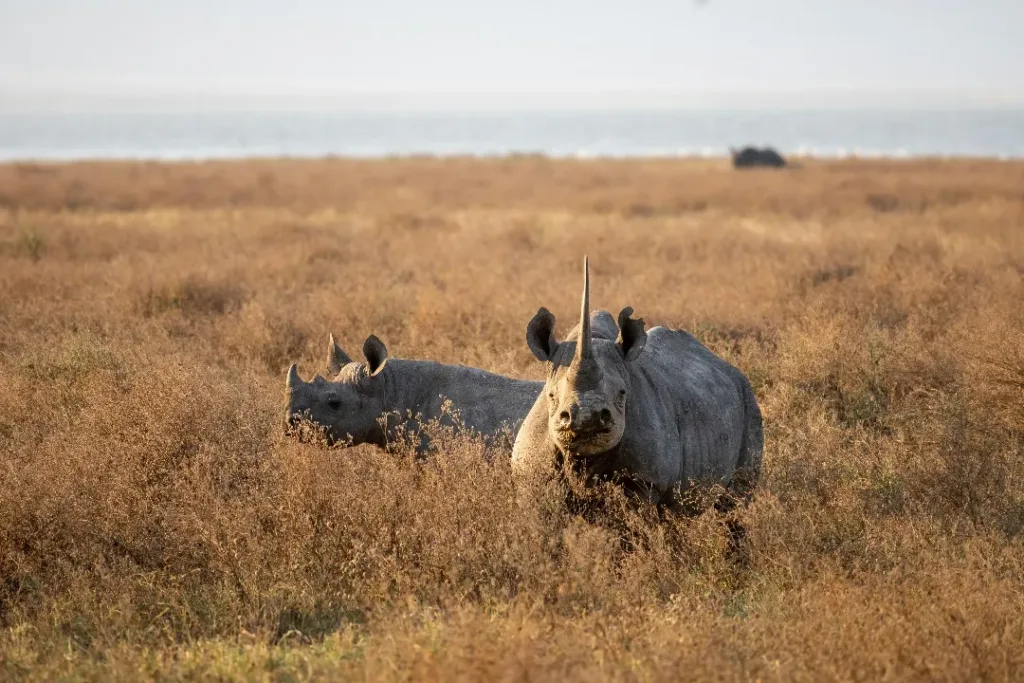
The first time you descend into the Ngorongoro Crater, it doesn’t feel real. It feels like stepping into a lost world—untouched, self-contained, and overflowing with wildlife. As your safari experts at Tanzania Safari Experience, we’ve guided countless travelers here, and every single one comes out with the same reaction: this is not just a safari, it’s something else entirely.
Ngorongoro Crater is the world’s largest intact volcanic caldera, home to over 25,000 animals in a naturally enclosed ecosystem, offering one of the highest chances in Africa to see the Big Five in a single day.
This isn’t just another park—it’s a wildlife concentration zone that compresses what would normally take days in Serengeti into hours.
Think about it:
That’s why game viewing here feels intense, fast-paced, and incredibly rewarding.
Pro Tip (from our guides):
We always start early—before 7:00 AM. Not because it sounds good, but because predators are still active, and you avoid the traffic that builds up later.
Ngorongoro offers one of the most reliable wildlife experiences in Africa, including lions, elephants, buffalo, hippos, hyenas, flamingos, and rare black rhinos within a compact and easily accessible landscape.
This is where expectations often get crushed—in a good way.
| Animal | Chance of Seeing | Reality |
|---|---|---|
| Lions | Very High | Often multiple prides in one drive |
| Elephants | High | Mostly large bulls, not big herds |
| Buffalo | Very High | Massive groups everywhere |
| Black Rhino | Moderate | Rare but possible with expert guides |
| Leopards | Low | Crater is not ideal for them |
| Flamingos | Seasonal | Depends on lake conditions |
Let’s be honest—anyone telling you you’ll “definitely see everything” is selling fantasy. Even here, nature doesn’t perform on command.
But compared to anywhere else?
This is as close as it gets.
Pro Tip:
Rhinos are usually spotted in open plains early morning. If your guide doesn’t prioritize this, you’re already missing out.
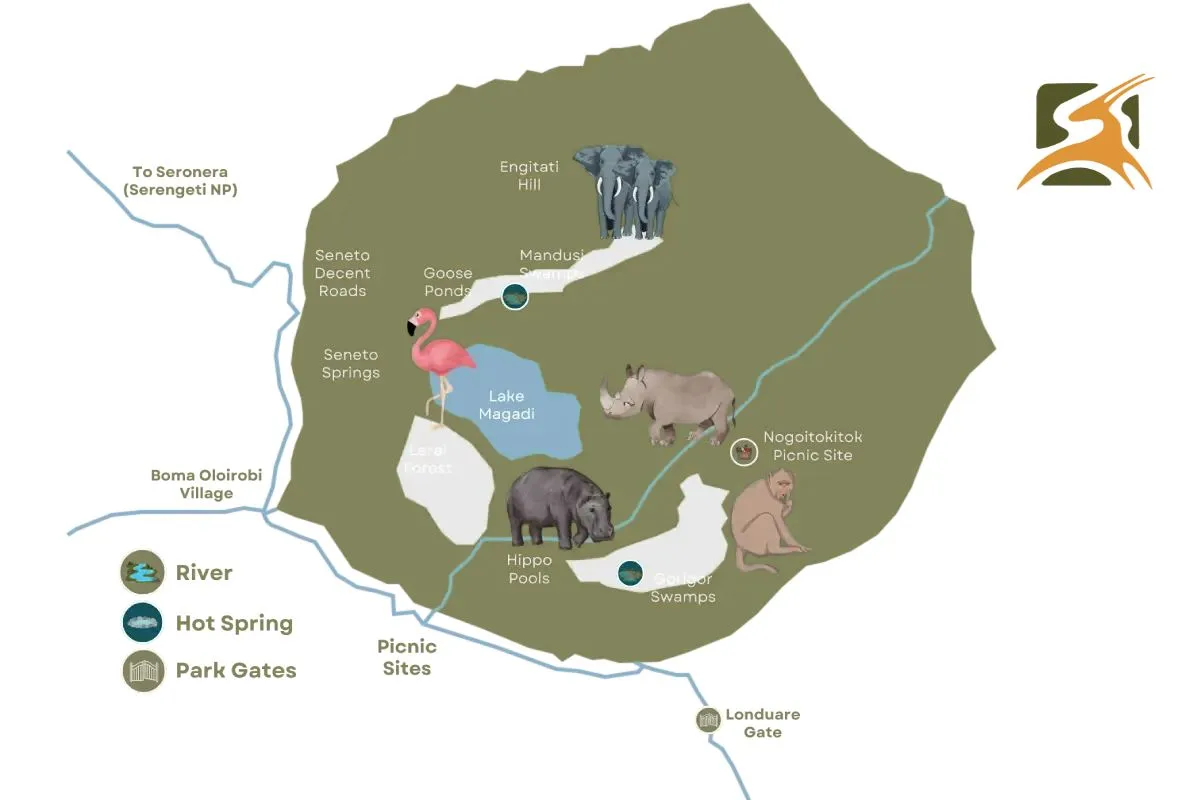
Ngorongoro Crater is located in northern Tanzania, East Africa, within the protected Ngorongoro Conservation Area. It sits west of Arusha and forms part of Tanzania’s famous Northern Safari Circuit, alongside Serengeti National Park, Tarangire National Park, and Lake Manyara.
What most people miss is that Ngorongoro is not just a standalone attraction—it’s part of a larger ecosystem that connects directly to the Serengeti. This is why many safari itineraries combine the two, allowing travelers to experience both the vast plains of Serengeti and the concentrated wildlife of the crater.
The crater itself is the world’s largest intact volcanic caldera, home to an incredible density of wildlife, including lions, elephants, buffalo, and the rare black rhino—all within a relatively small area.
Expert insight from Tanzania Safari Experience:
We always recommend combining Ngorongoro Crater with Serengeti in one itinerary. The contrast between the two locations gives you a more complete and rewarding safari experience, rather than treating Ngorongoro as a quick standalone stop.
| Ngorongoro Crater | Ngorongoro Conservation Area |
| The Ngorongoro Crater is a part of the larger Ngorongoro Conservation Area. | The Ngorongoro Conservation Area is the larger part of the Serengeti-Ngorongoro Biosphere Reserve. |
| This crater was formed due to a volcanic eruption and collapsed on itself 2 million years ago. | This crater was formed due to a volcanic eruption and collapsed on itself 2 million years ago. |
| The floor area of this crater is 260 sq. km and 2000 meters deep. | The area is 8,292 sq. km. And was declared a UNESCO World Heritage Site in 1979. |
| The Crater is the largest unfilled, inactive, and intact volcanic caldera on the planet. | The NCA is also known as the eighth wonder of the world. |
| It was formed when a large active volcano exploded and collapsed onto itself some two to three million years ago. | The area receives more than half a million visitors annually and is home to about 40,000 people, most of whom are part of the Maasai communities. |
Ngorongoro Crater is a year-round destination, but the best months are June to October for dry conditions and easier wildlife spotting, while November to May offers lush scenery and fewer crowds.
Here’s the truth most guides won’t tell you:
There is no bad time—only different experiences.
| Season | Experience | Pros | Cons |
|---|---|---|---|
| Dry Season (Jun–Oct) | Classic safari | Easy wildlife spotting, clear views | More vehicles |
| Green Season (Nov–May) | Scenic & quiet | Fewer crowds, beautiful landscapes | Occasional rain |
Pro Tip:
If you hate crowds, avoid peak July–August. The crater can feel like a traffic circle if you hit the wrong spots at the wrong time.
A Ngorongoro Crater safari typically ranges from $250 to $600+ per person per day, depending on whether you choose budget camping, mid-range lodges, or luxury accommodations with premium services.
Let’s cut the nonsense—pricing varies wildly, and most “cheap deals” hide compromises.
| Safari Type | Price Range (Per Day) | What You Get |
|---|---|---|
| Budget | $250–$350 | Basic camping, shared vehicle |
| Mid-Range | $350–$500 | Comfortable lodges, better logistics |
| Luxury | $500–$900+ | Premium lodges, private experience |
Hard truth:
If someone offers you a “cheap Ngorongoro safari,” something is missing—usually guide quality or vehicle condition.
Most travelers visit Ngorongoro Crater in one day, but combining it with 2–4 days in Serengeti creates a far more complete and balanced safari experience.
The crater is intense—but it’s also small.
One full day inside is enough.
But stopping there? That’s a mistake.
Pro Tip:
Ngorongoro is not a replacement for Serengeti. It’s a highlight, not the whole story.
Ngorongoro offers dense wildlife in a compact area, while Serengeti provides vast landscapes, migration movement, and a more natural, less crowded safari experience.
Let’s kill the confusion—these are not competitors.
| Feature | Ngorongoro | Serengeti |
|---|---|---|
| Size | Small | Massive |
| Wildlife Density | Very High | High but spread out |
| Experience | Fast & intense | Wide & immersive |
| Best For | Short trips | Full safari experience |
If you’re choosing one over the other, you’re already limiting your experience.
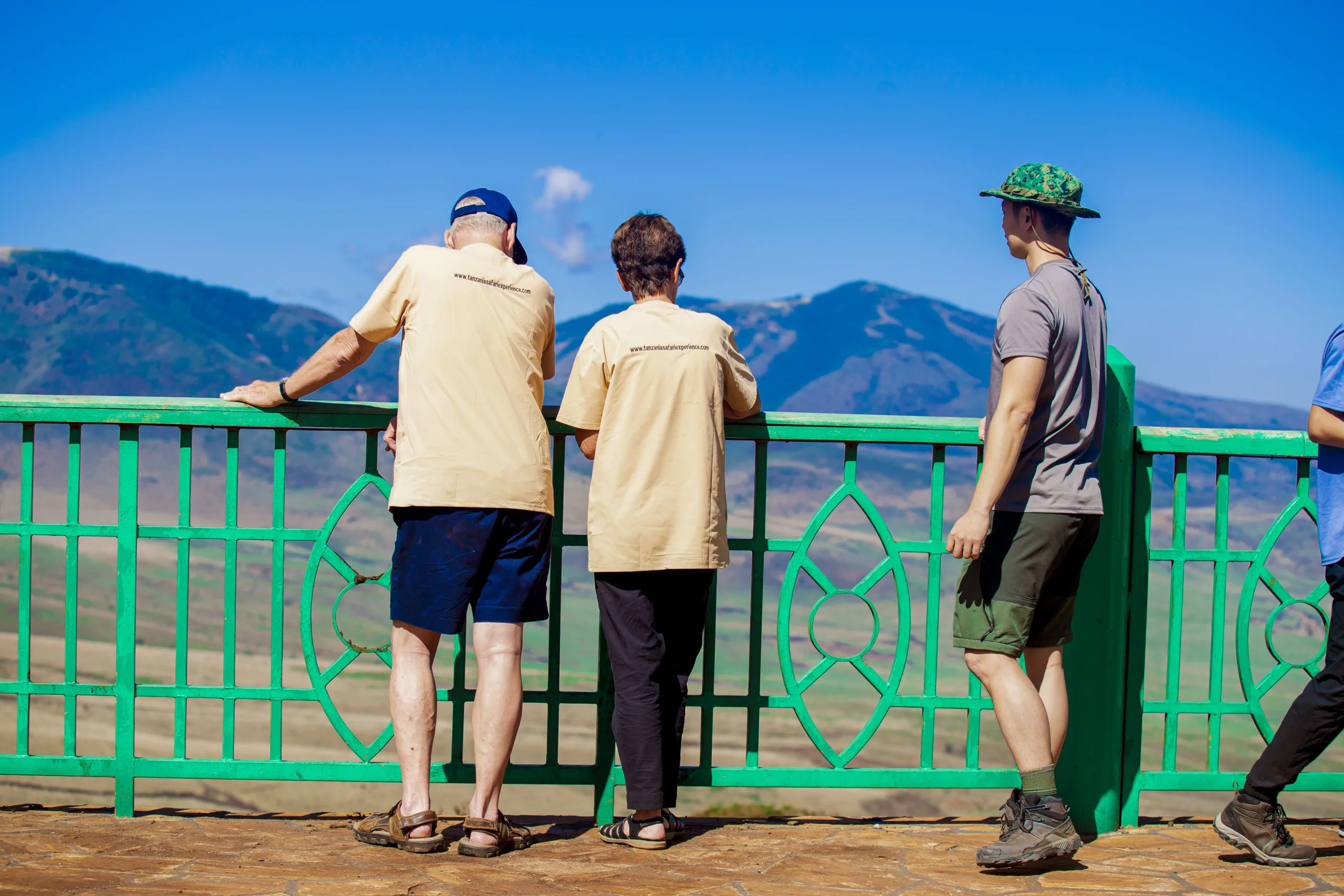
A successful Ngorongoro safari depends on timing, guide experience, and realistic expectations rather than luck, making preparation and smart planning more important than most travelers realize.
Let’s skip the generic advice.
Brutal truth:
Your safari is only as good as your guide. Full stop.
Accommodation around Ngorongoro ranges from budget camps outside the crater to luxury lodges on the rim, each offering different levels of comfort, views, and proximity to the park entrance.
| Type | Location | Experience |
|---|---|---|
| Budget Camps | Karatu | Affordable, basic |
| Mid-Range Lodges | Karatu/Rim | Comfortable balance |
| Luxury Lodges | Crater Rim | Unreal views, premium service |
Pro Tip:
Staying on the crater rim saves time—but costs more. Staying in Karatu saves money—but requires earlier departure.
Is Ngorongoro worth visiting?
Yes. It delivers one of the most concentrated wildlife experiences in Africa, especially for travelers with limited time.
Can you see the Big Five in one day?
Yes, it’s possible—especially lion, elephant, buffalo, and rhino. Leopard is the least likely.
Is Ngorongoro crowded?
It can be, especially during peak season. Early entry helps avoid most of it.
Is it safe?
Yes, with professional guides. The area is well-managed and strictly regulated.
Do animals migrate out of the crater?
No. Most wildlife stays inside year-round due to the natural enclosure.
If you want raw, concentrated wildlife without spending a week searching across vast plains, Ngorongoro delivers hard.
But here’s the part most people miss:
It’s not about just going to Ngorongoro—it’s about how you experience it.
As your safari experts at Tanzania Safari Experience, we design each trip to avoid the common mistakes—bad timing, rushed drives, and average guides.
That’s the difference between seeing animals…
and actually experiencing Africa the way it should be.