
Ready to Plan
Your Safari?
Our Tanzania safari and adventure experts craft personalised, tailor-made itineraries — just for you.
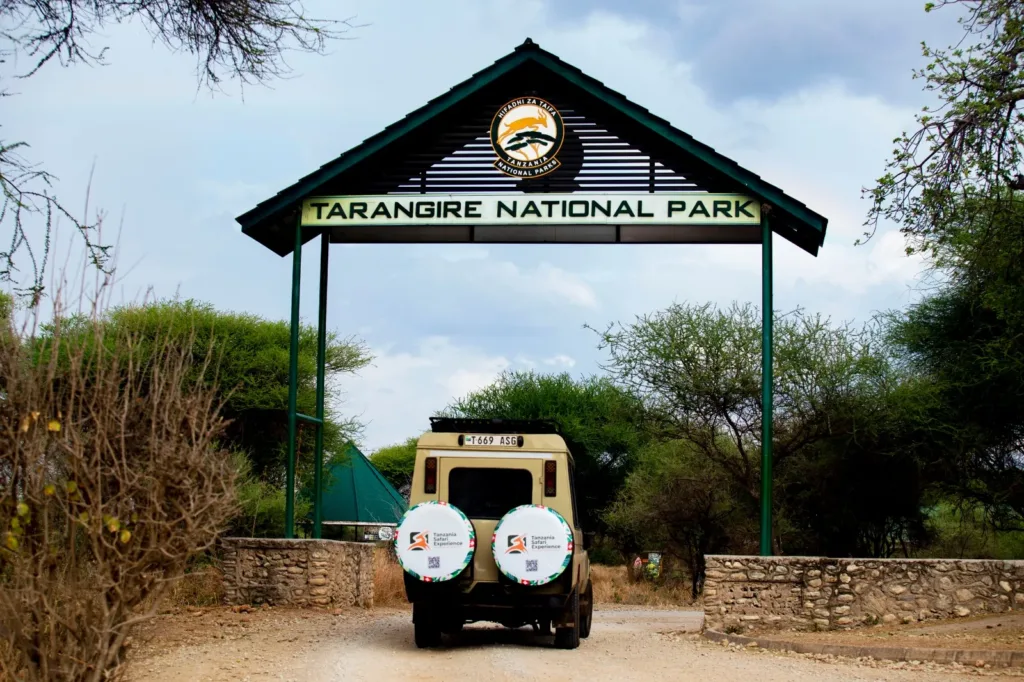
Why Tarangire National Park Should Be on Your Safari List
Tarangire offers massive elephant herds, ancient baobab landscapes, and fewer crowds than Serengeti. It delivers raw, authentic wildlife experiences with exceptional game density, especially during the dry season.
From the moment you enter Tarangire, you feel something different. It’s quieter. Wilder. Less staged. At Tanzania Safari Experience, we guide guests here almost daily, and I can tell you—this park consistently surprises even seasoned travelers.
While most people rush to Serengeti, Tarangire quietly builds unforgettable moments. Herds of elephants crossing the road. Lions resting under baobabs. Giraffes moving slowly across golden plains at sunset. It doesn’t scream for attention—it earns it.
Where Is Tarangire National Park Located?
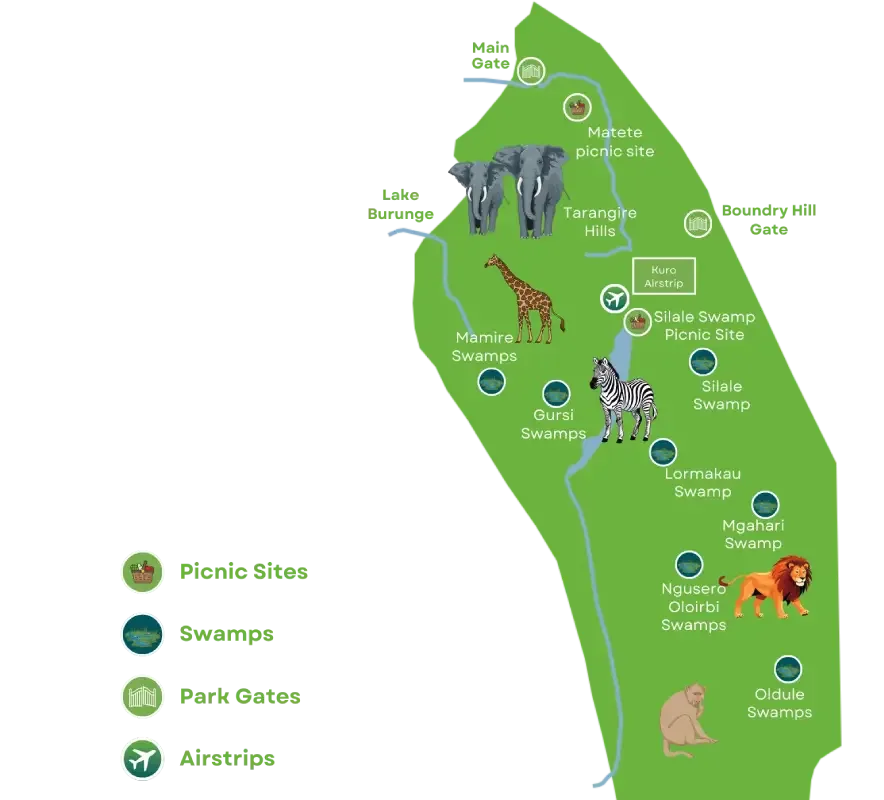
Tarangire lies about 2 hours southwest of Arusha in northern Tanzania. It’s part of the famous Northern Safari Circuit, making it an easy first stop on multi-day safaris.
The park covers roughly 2,850 square kilometers, but what makes Tarangire powerful is concentration—especially around the Tarangire River, the only reliable water source during the dry months.
What Makes Tarangire Unique Compared to Other Parks
Tarangire stands out for its giant elephant populations, iconic baobab trees, and seasonal wildlife migration. It offers a quieter, less crowded safari with strong predator-prey interactions.
If you skip Tarangire, you’re missing one of the most underrated ecosystems in Africa. Elephants move in numbers most people don’t expect, often in herds of 50 to 100. The baobab trees dominate the skyline, some standing for over a thousand years. During the dry season, thousands of animals migrate into the park, creating dense wildlife concentrations without the traffic chaos you’ll find in Serengeti.
One thing our guides constantly point out: late afternoon near the Tarangire River can outperform entire days elsewhere. Instead of chasing animals, you position yourself and let the wildlife come naturally.
RELATED NATIONAL PARK: Ngorongoro Crater Safari
Best Time to Visit Tarangire National Park
The best time is June to October when animals gather around the river, making wildlife viewing exceptional with high chances of seeing predators and large herds.
But here’s the reality most people miss. The green season from November to May transforms the park into a lush landscape with fewer tourists, but wildlife spreads out, making sightings less predictable. January and February bring the calving period, which is incredible for photographers and predator action.
March and April are often ignored, but they offer dramatic skies, empty roads, and unique photography conditions if you don’t mind occasional rain.
Wildlife You Can See in Tarangire
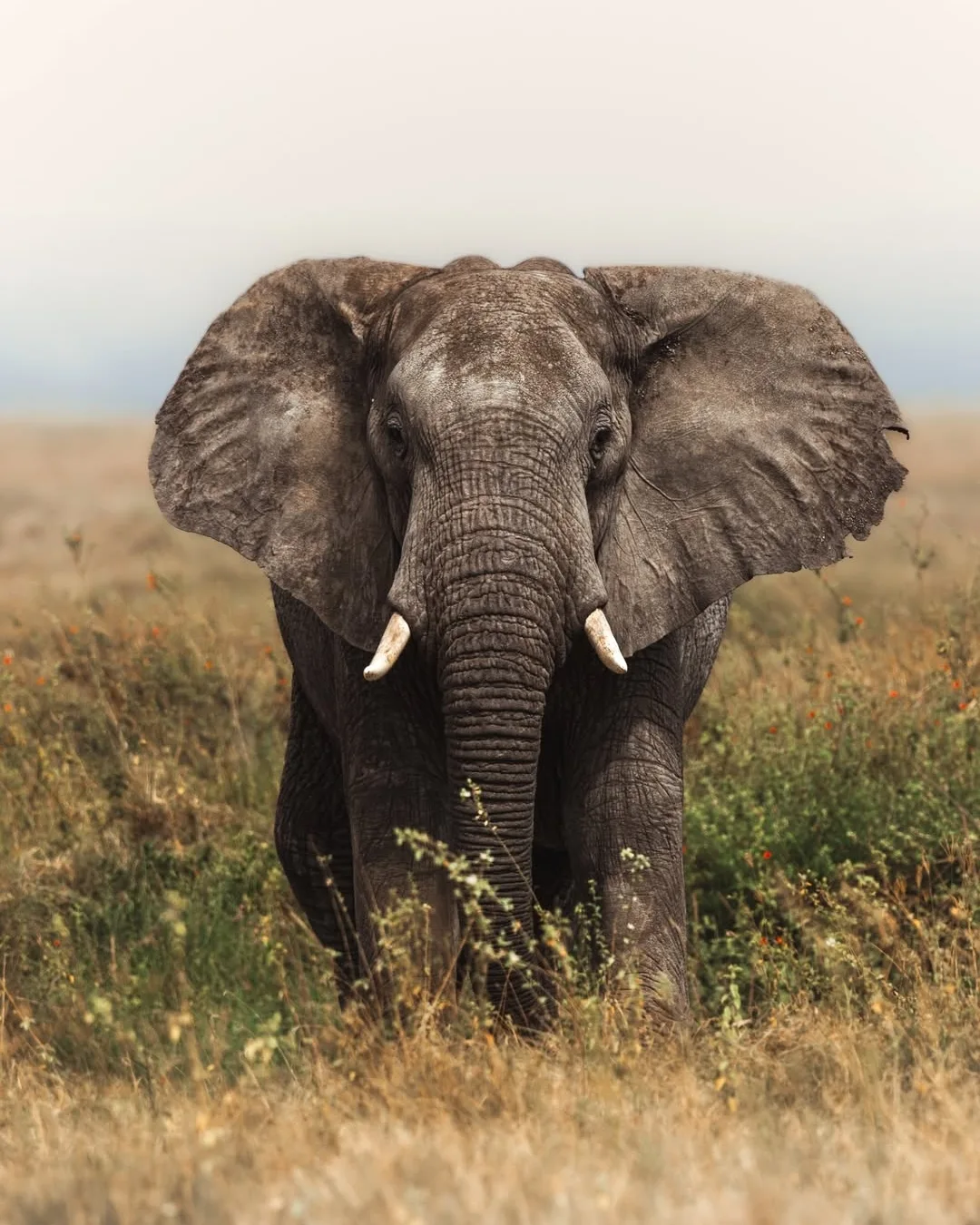
Tarangire hosts elephants, lions, leopards, cheetahs, giraffes, zebras, and over 500 bird species. It’s one of the best places in Tanzania to see large elephant herds up close.
The elephants are the real highlight, not just because of their numbers but because of their behavior. You’ll see family structures, protective matriarchs, and playful calves interacting in ways that feel raw and unscripted.
Predators are active, especially near the river. Lions are commonly seen, leopards prefer the wooded areas, and cheetahs appear in open plains, though less predictably. Rare species like fringe-eared oryx and greater kudu also make Tarangire stand out from other northern parks.
One-Day vs Multi-Day Tarangire Safari
A one-day safari gives you a strong wildlife experience, but staying overnight allows deeper exploration and better chances of rare sightings.
A day trip works if you’re short on time, but it limits flexibility and coverage. Two days give you a balanced experience with enough time to explore different areas. Three or more days unlock the real depth of Tarangire, especially for photographers or travelers who want a slower pace.
The honest truth: if Tarangire is your focus, rushing it in one day is a compromise.
Safari Experience: What a Typical Day Looks Like
Expect early morning and late afternoon game drives, with a break during midday. Wildlife activity peaks when temperatures are cooler.
A typical day starts early with a sunrise game drive, followed by a break for breakfast or relaxation. Midday is usually quiet, giving you time to rest before heading out again in the late afternoon when wildlife becomes active.
One detail people underestimate—mornings in Tarangire can be cold. Always bring a light jacket.
Accommodation Options in Tarangire
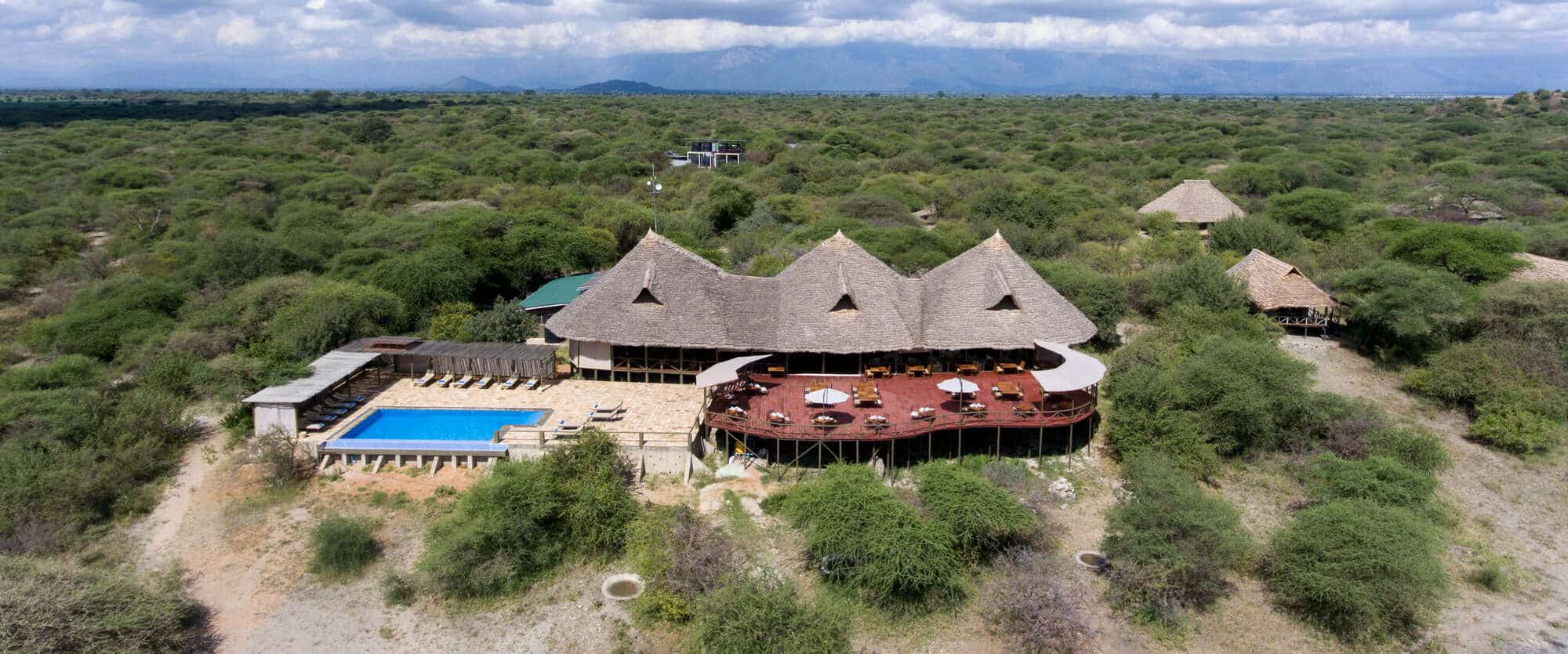
You’ll find everything from budget camps to luxury lodges, each offering a different experience depending on comfort and location.
Budget camping keeps you close to nature with basic facilities. Mid-range lodges provide comfort with great views and solid service, ideal for couples or small groups. Luxury lodges offer premium service, privacy, and high-end amenities, often with incredible wildlife views directly from your room.
As your safari experts at Tanzania Safari Experience, we strongly recommend staying at least one night inside or near the park. Early morning access before day visitors arrive can completely change your experience.
Tarangire Safari Costs – What to Expect 2026
Prices range from $170 per person for group day trips to over $600 for private luxury safaris. Costs vary based on group size, accommodation level, and travel style.
Shared day trips are the most affordable, while private safaris offer more flexibility and comfort. Luxury experiences include premium lodges, personalized service, and exclusive game drives. Park fees, vehicle type, and season all influence the final price.
How Tarangire Fits Into a Northern Circuit Safari
Tarangire is often the starting point before Ngorongoro Crater and Serengeti. It helps build momentum before entering more crowded parks.
The typical flow moves from Tarangire to Ngorongoro and then to Serengeti. This progression works because Tarangire introduces strong wildlife viewing, Ngorongoro delivers density, and Serengeti expands the scale of the experience.
Pro Tips From Our Team
Elephants sometimes dig for water during extreme dry periods—watch closely because it’s rare behavior. Baobab trees store water, which attracts animals nearby. The best photography light is between early morning hours, and having a private vehicle allows you to control your pace and maximize sightings.Most travelers underestimate Tarangire and rush through it, but those who spend time here often say it becomes their favorite part of the safari.
FAQ – Tarangire National Park Safari
Is Tarangire worth visiting?
Yes, it offers one of the highest elephant concentrations in Tanzania and a quieter, more authentic safari compared to busier parks.
How many days do you need in Tarangire?
One to two days is enough for most travelers, but two to three days gives a deeper and more relaxed experience.
Can you see the Big Five in Tarangire?
You can see four of the Big Five—elephant, lion, leopard, and buffalo. Rhinos are not found in Tarangire.
Is Tarangire good for a day trip?
Yes, it’s one of the best parks for a day safari from Arusha due to its proximity and strong wildlife viewing.
When is the best time for elephants?
Dry season from June to October when elephants gather in large numbers around the river.
Final Verdict: Is Tarangire National Park Safari Worth It?
Tarangire delivers raw wildlife, fewer crowds, and a more personal safari experience that many travelers don’t expect.
At Tanzania Safari Experience, we design Tarangire as a core part of your journey, not just a stop. When done right, it becomes one of the most memorable parts of your entire safari.
Our Tanzania safari and adventure experts craft personalised, tailor-made itineraries — just for you.

Tanzania Safari Experience is a local Tour Operator specialist in Tanzania Safari, Kilimanjaro Trekking and Zanzibar Tours since 2013.
Travellers' Choice
★★★★★ Ranked on TripAdvisor
TALA Licensed Operator
Full Registered Company
OFFICE
Arusha, Tanzania — East Africa
PHONE & WHATSAPP
RESPONSE TIME
Within 24 hours, 7 days a week

We use essential cookies to keep the website working. With your permission, we also use limited analytics and load external content such as maps, reviews, and videos. We do not use analytics for advertising or personal profiling.
Required for website security, core functionality, and remembering your privacy choice.
Helps us measure general website usage and performance. It is not used for advertising or personal profiling.
Allows content such as maps, customer reviews, and videos to load from third party providers. These providers may receive technical information when their content is loaded.