
Ready to Plan
Your Safari?
Our Tanzania safari and adventure experts craft personalised, tailor-made itineraries — just for you.
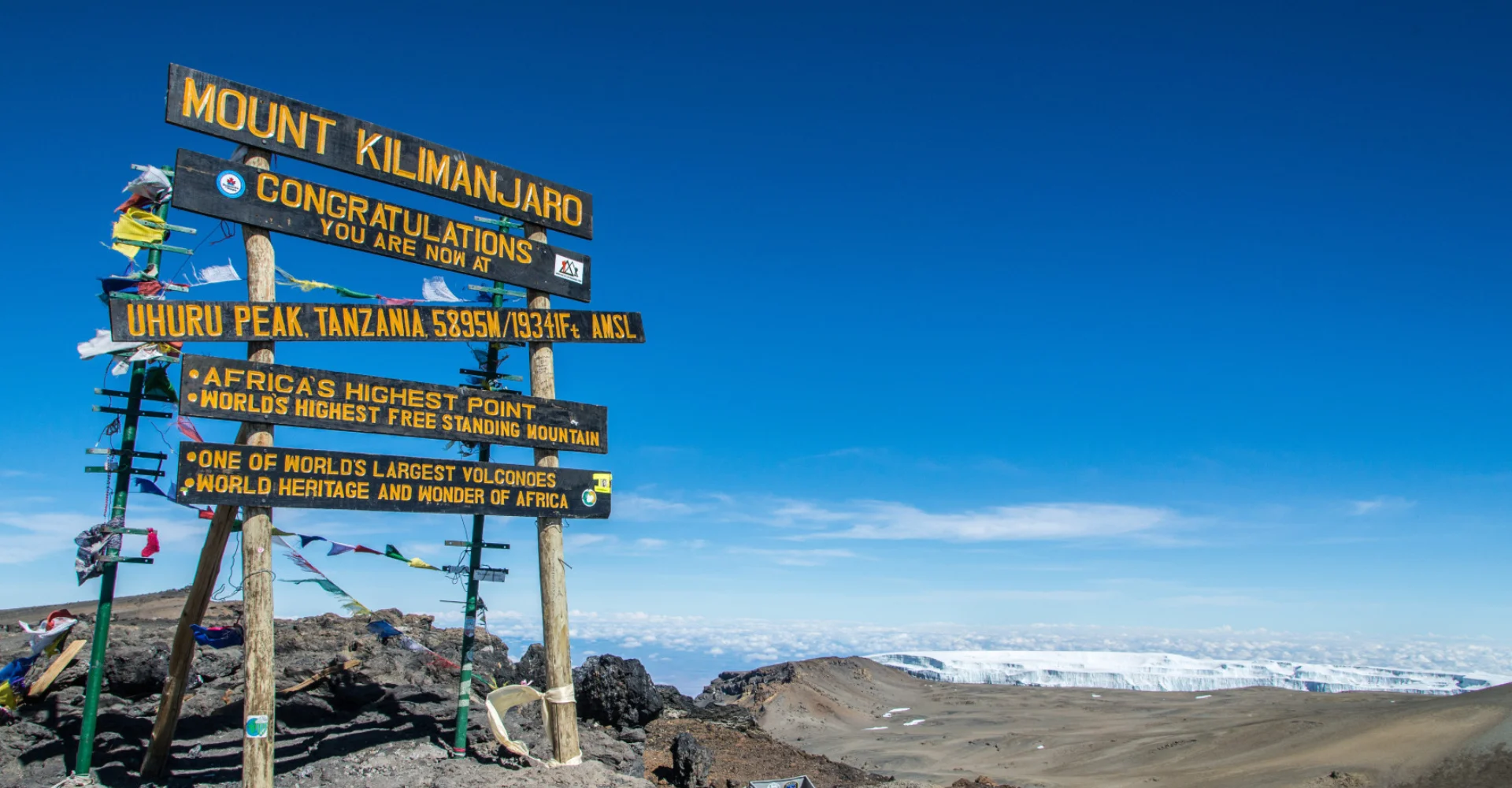
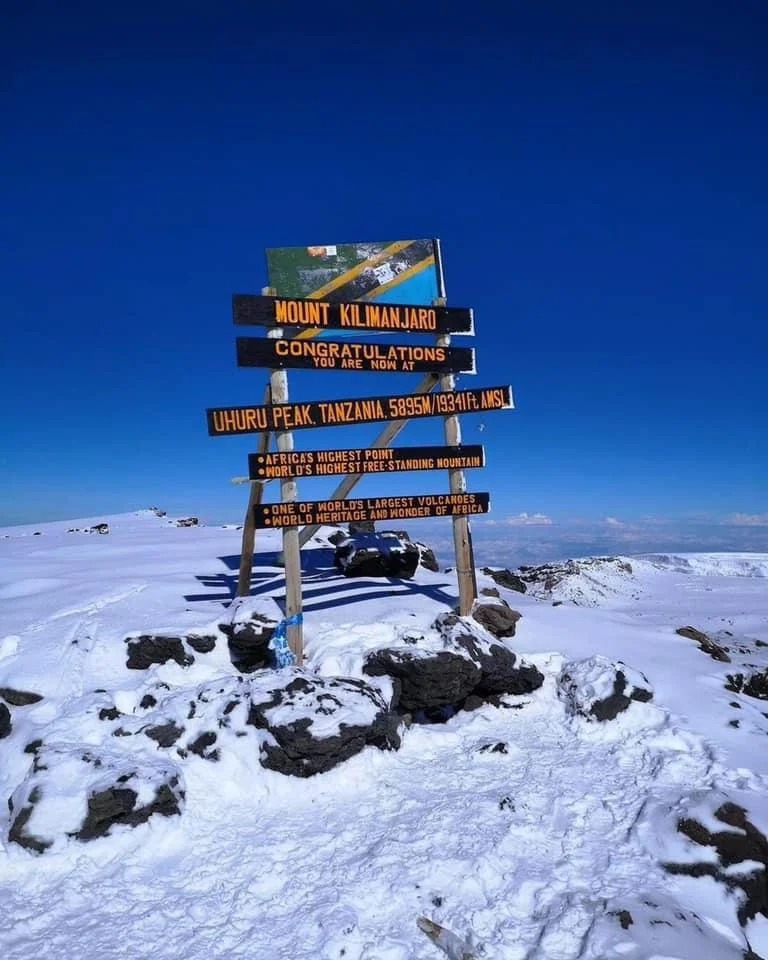
So, you are dreaming of standing on the “Roof of Africa”? There is no feeling in the world like watching the sun rise over the clouds at 5,895 meters. Many people call me and ask, “Laurent, which route is best if I want to stay in a bed instead of a tent?” My answer is always the same: Marangu.
At Tanzania Safari Experience, we have led hundreds of groups up this path. It is famous, it is historic, and it is the only one with comfortable wooden huts. But don’t let the nickname “Coca-Cola Route” fool you—it is still a massive challenge that requires respect and a good team behind you.
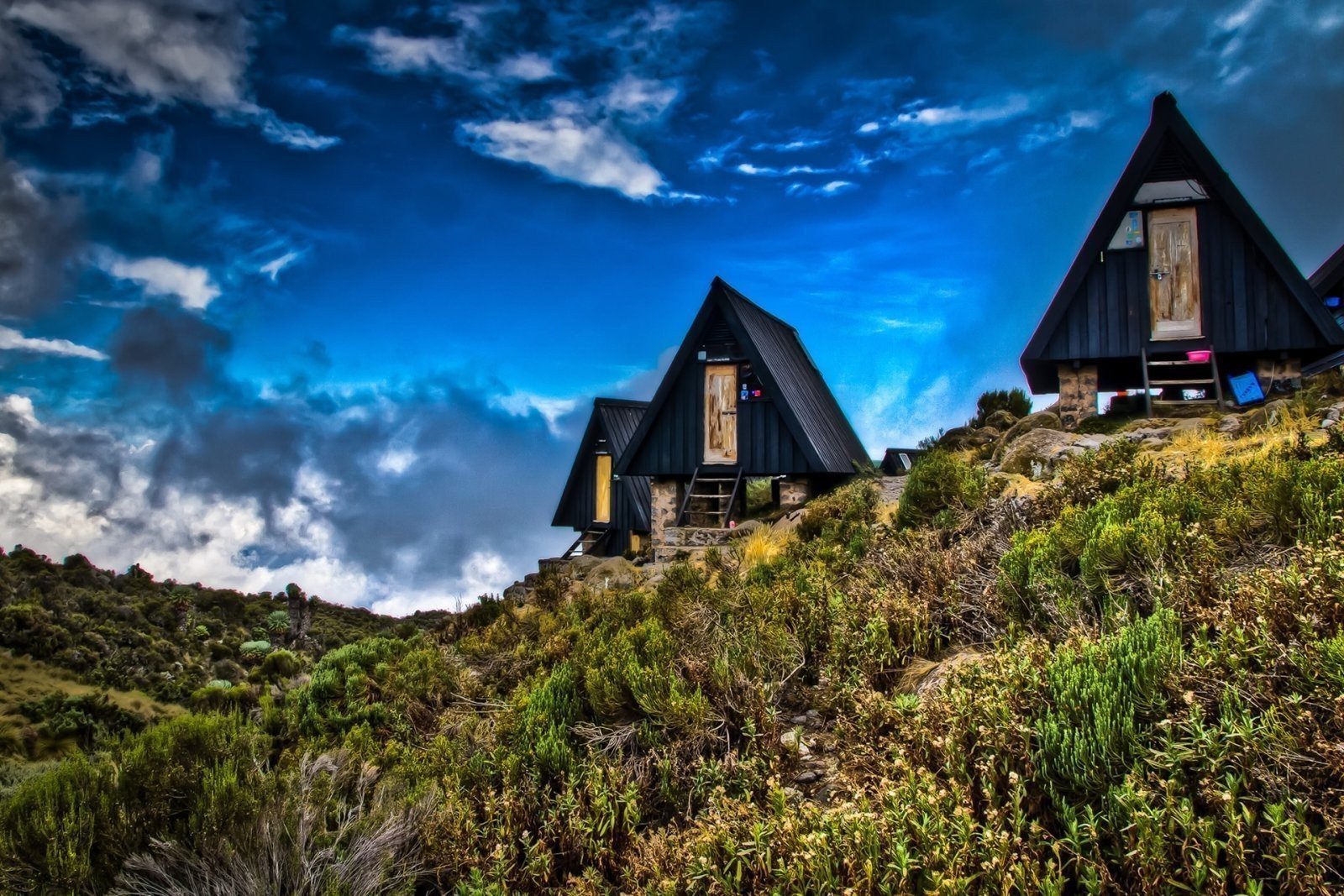
The 7-day Marangu Route is a “huts-only” trek that takes you through five distinct climate zones—from lush rainforests to arctic deserts—offering a roof over your head every single night.
We always recommend the 7-day version over the shorter 5-day option. Why? Because that extra day at Horombo Hut for “acclimatization” is the secret sauce. It gives your body time to get used to the thin air, which means you are much more likely to reach the summit without feeling sick.
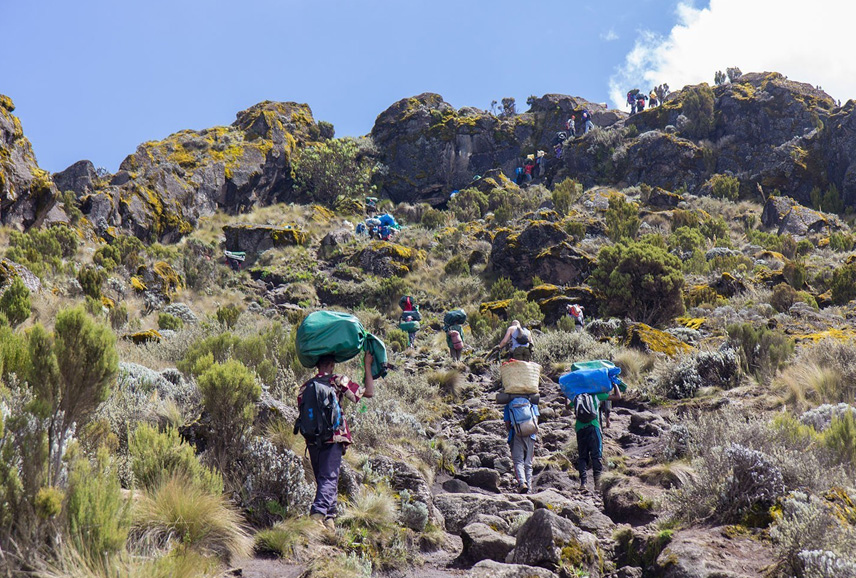
When you look at the price, you aren’t just paying for a walk; you are paying for a small village of people to take care of you. In 2026, the government fees (park permits, rescue fees, and hut fees) make up a large part of the total.
| Type | Price | Reality |
|---|---|---|
| Budget | $1,800–$2,200 | Basic gear, larger groups |
| Mid-range | $2,200–$2,800 | Best balance (recommended) |
| Premium | $2,800–$3,500+ | Extra comfort, smaller groups |
Pro-Tip from the Arusha Office: Always check if your quote includes the 18% VAT (Value Added Tax). Some cheap operators hide this until you arrive in Tanzania! At Tanzania Safari Experience, we keep everything transparent so there are no surprises at the airport.
The Marangu Route is considered “moderately difficult” because the paths are well-defined and the incline is gradual, but the final summit night is a steep, 1,000-meter vertical climb.
I tell my guests: If a 12-year-old boy is healthy and has been hiking on weekends, he can do this. The “difficulty” isn’t about how strong your muscles are; it’s about how your lungs handle the altitude. Since you are staying in huts, you sleep better and stay warmer than in a tent, which helps your energy levels.
At Tanzania Safari Experience, you can customize your trip. Our sample itineraries are adjustable to your preferences. Our specialists work together with you to create your dream journey!
Every Kilimanjaro climb with Tanzania Safari Experience is tailored to you—no fixed departures or rigid schedules. Speak with our Kilimanjaro experts to plan your perfect climb to the summit.
Your Kilimanjaro climb is carefully planned to maximize acclimatization and summit success while giving you time to rest and adjust to the altitude. Here’s what to expect day by day.
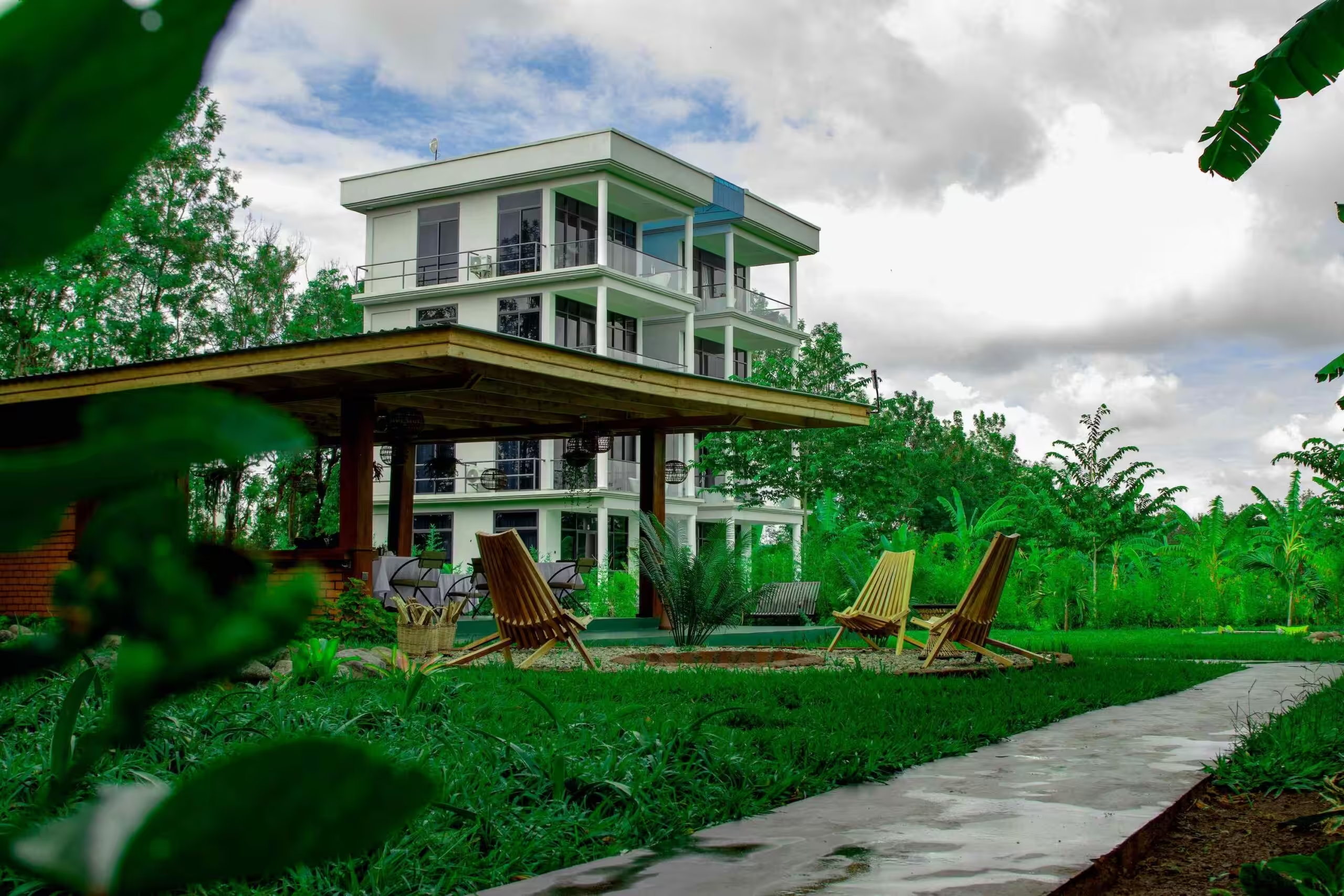
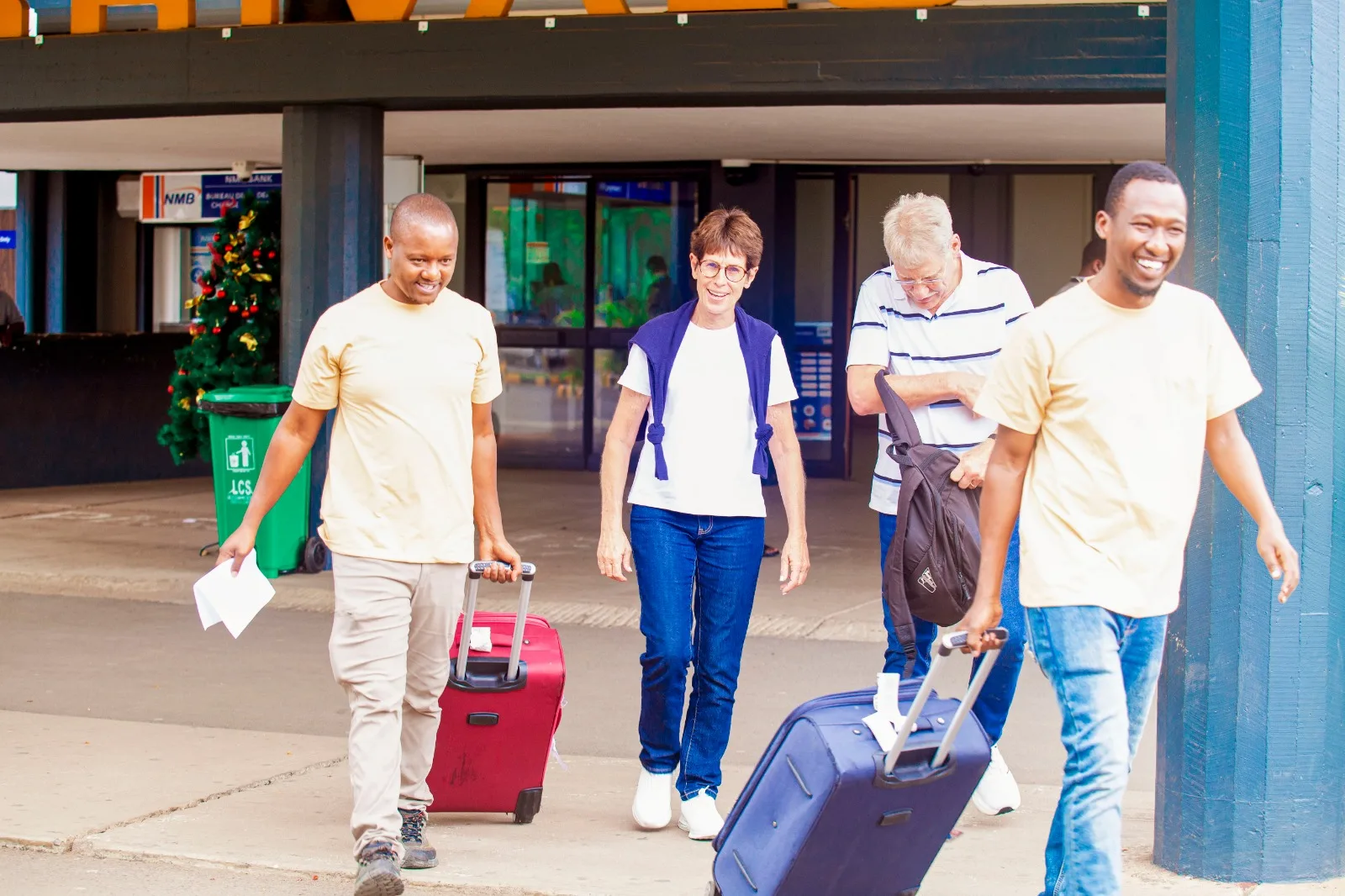
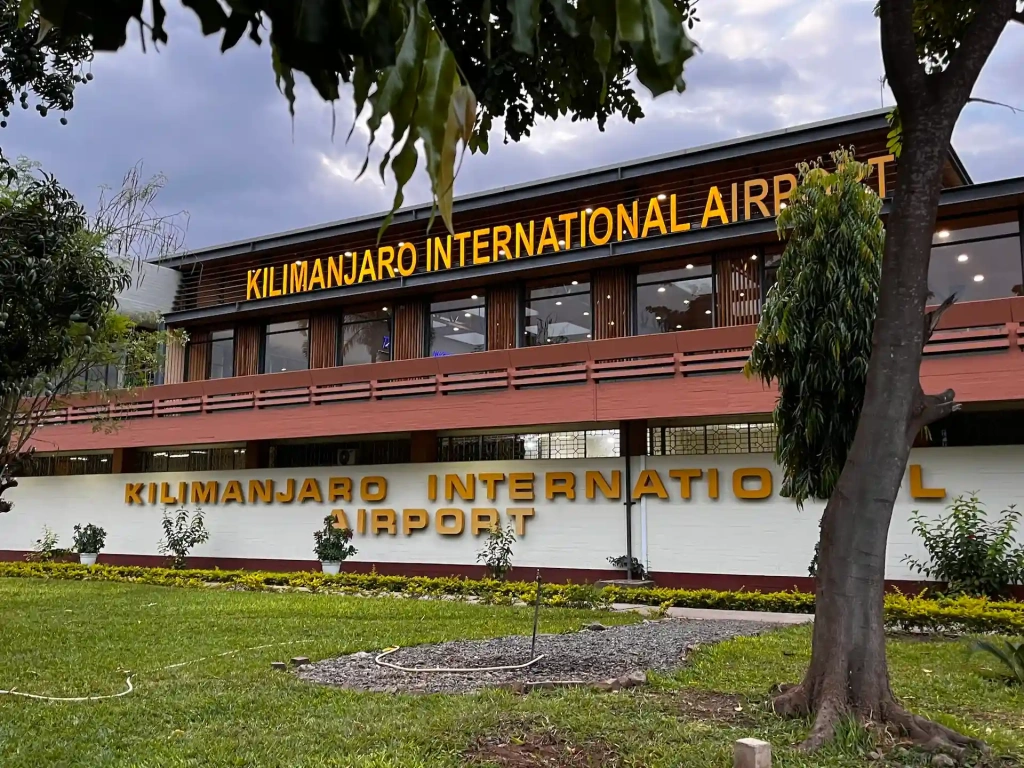
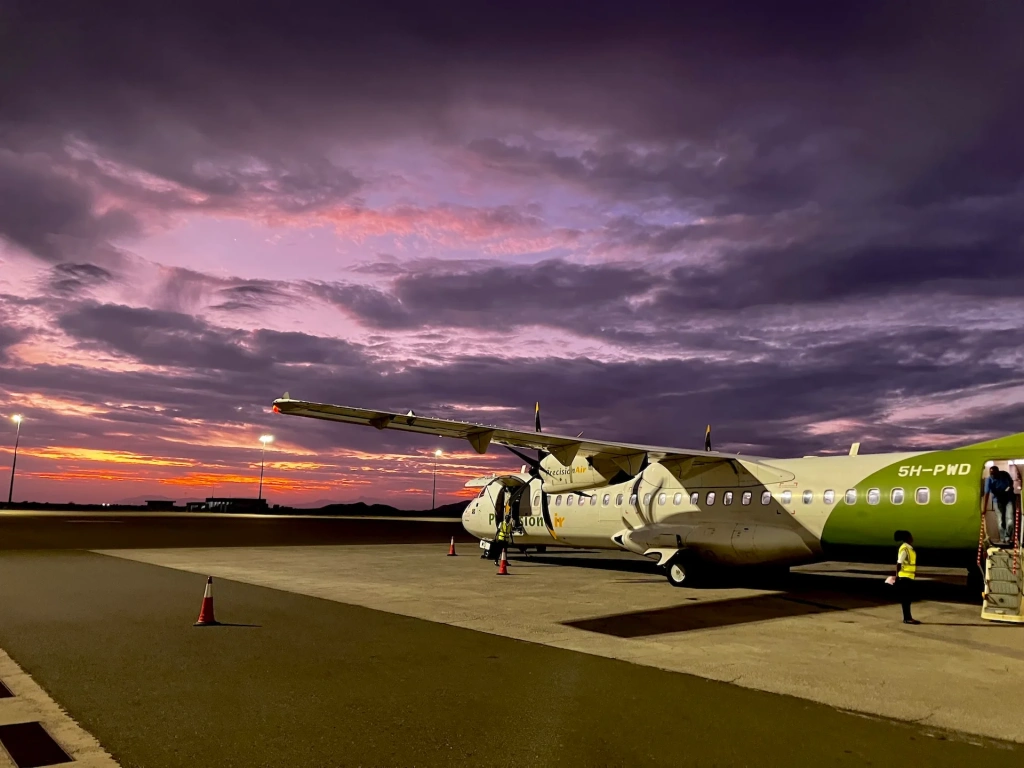
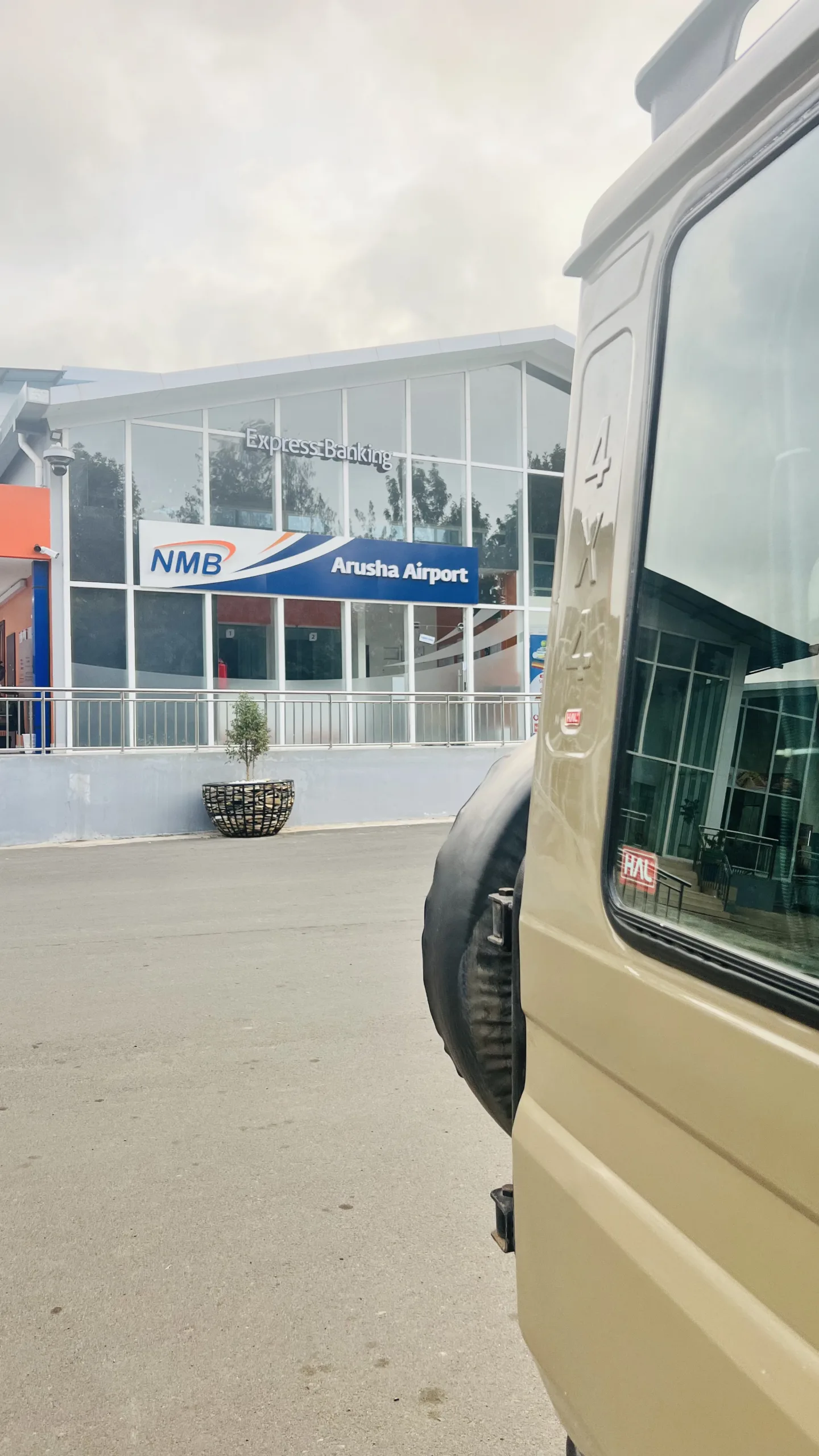
Upon arrival at Kilimanjaro International Airport (JRO), our team meets you with a warm “Karibu!” before transferring you to Shose Chalets to rest, gear-check, and prep for the climb.
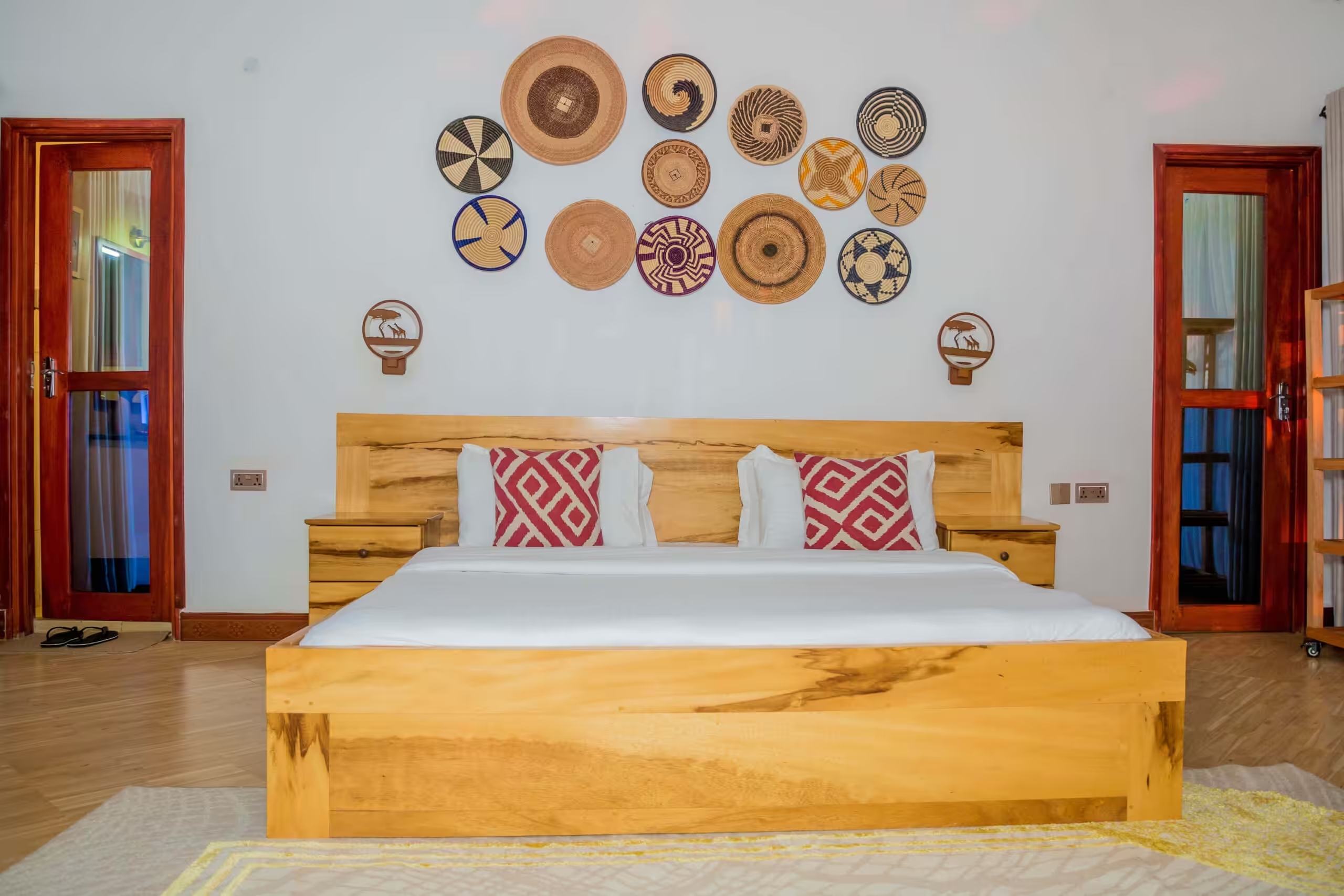
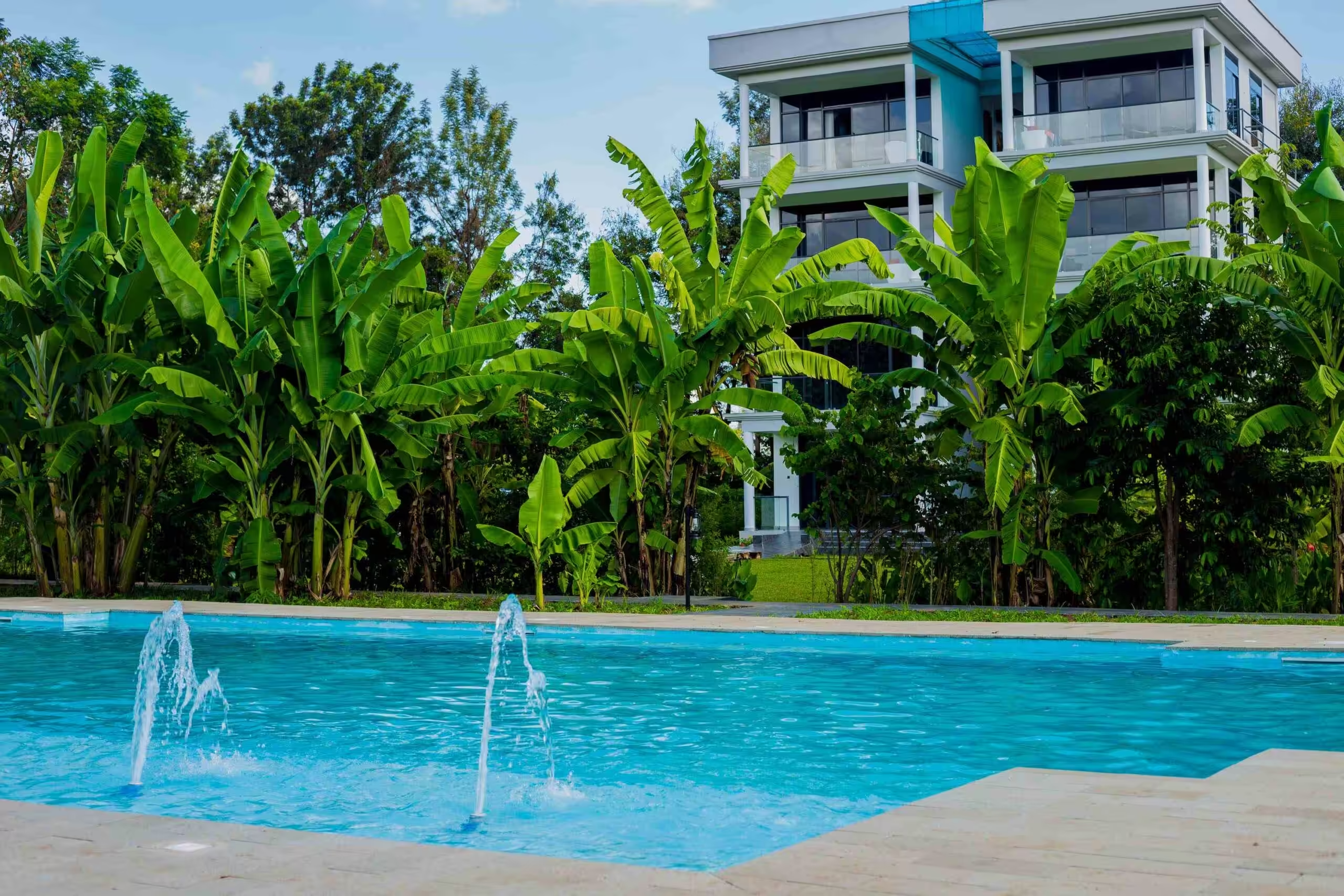
After the hum of the airplane engines, the silence of the Tanzanian foothills is a welcome change. You’ll stay at Shose Chalets, a comfortable “Silver” tier accommodation that feels like a home away from home.
The Gear Briefing: This is the most important hour of your pre-climb. I will sit down with you to inspect your sleeping bag, thermal layers, and boots. If your socks aren’t thick enough or your headlamp is dim, we fix it here—not on the mountain.
Travel Time
Around 40–60 minutes by road from Kilimanjaro International Airport (JRO) to Moshi, depending on traffic and your exact hotel location.
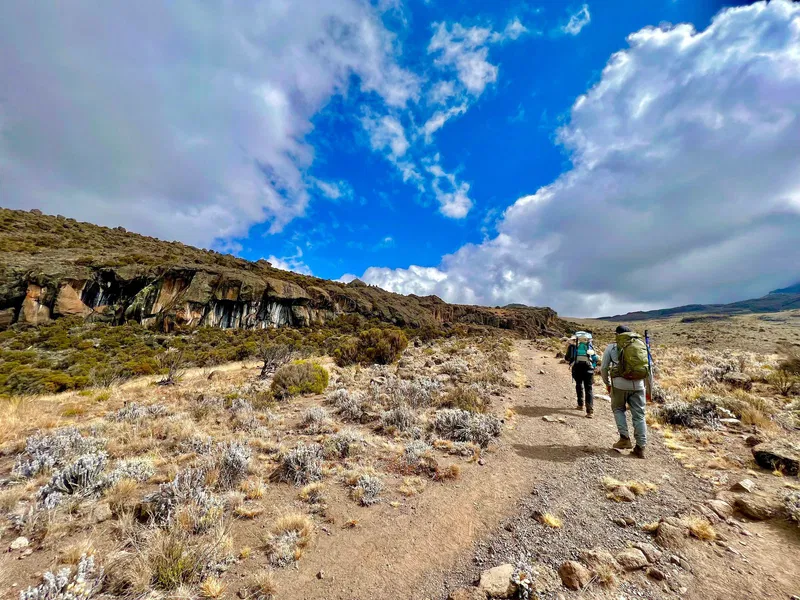
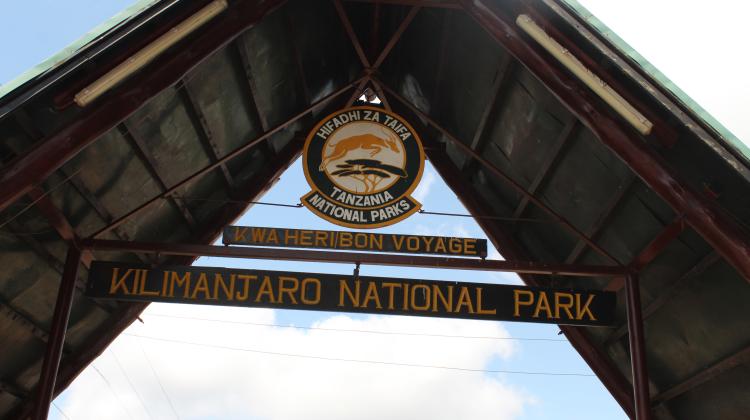
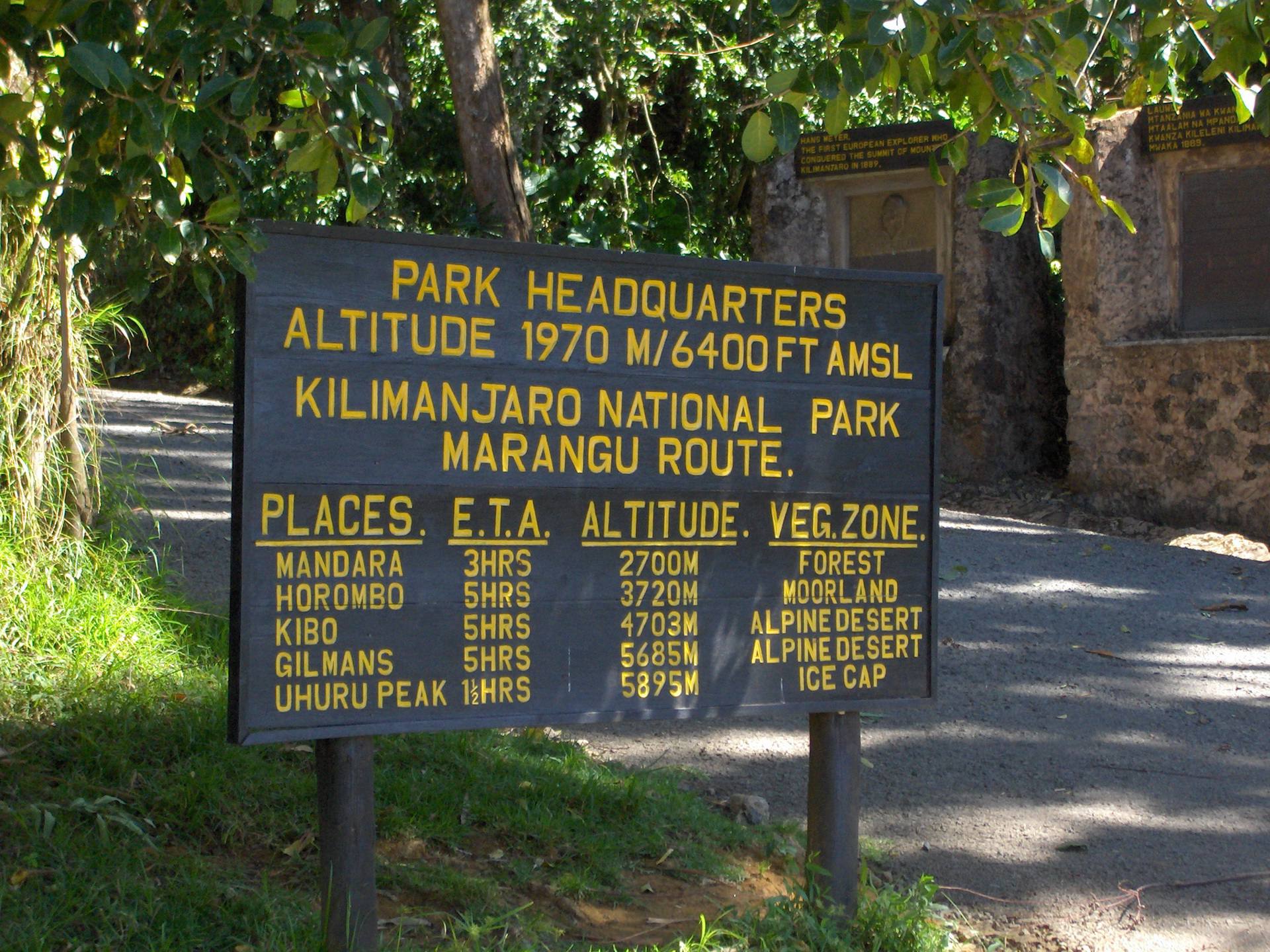
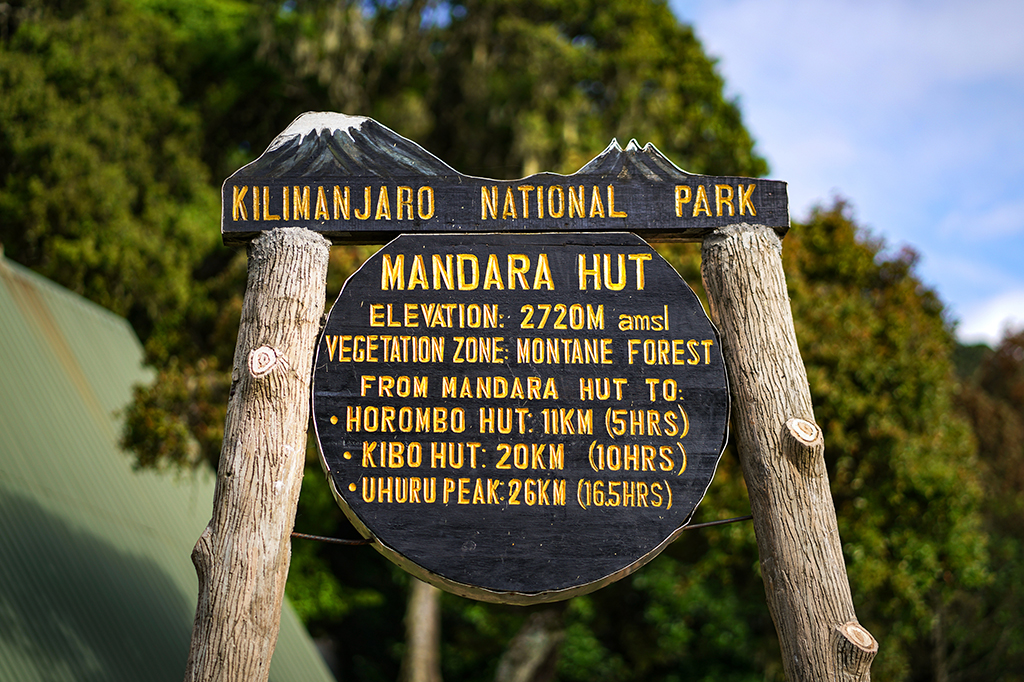
You will hike for 4 to 5 hours through deep green rainforest from Marangu Gate (1,860m) to Mandara Huts (2,700m), watching for Colobus monkeys and exotic birds.
The air is thick and smells like wet earth and flowers. This is the most “alive” part of the mountain. Remember to walk Pole Pole (slowly, slowly). Even if you feel like a marathon runner, go slow.
Distance: 8 km
Time: 4–5 hours
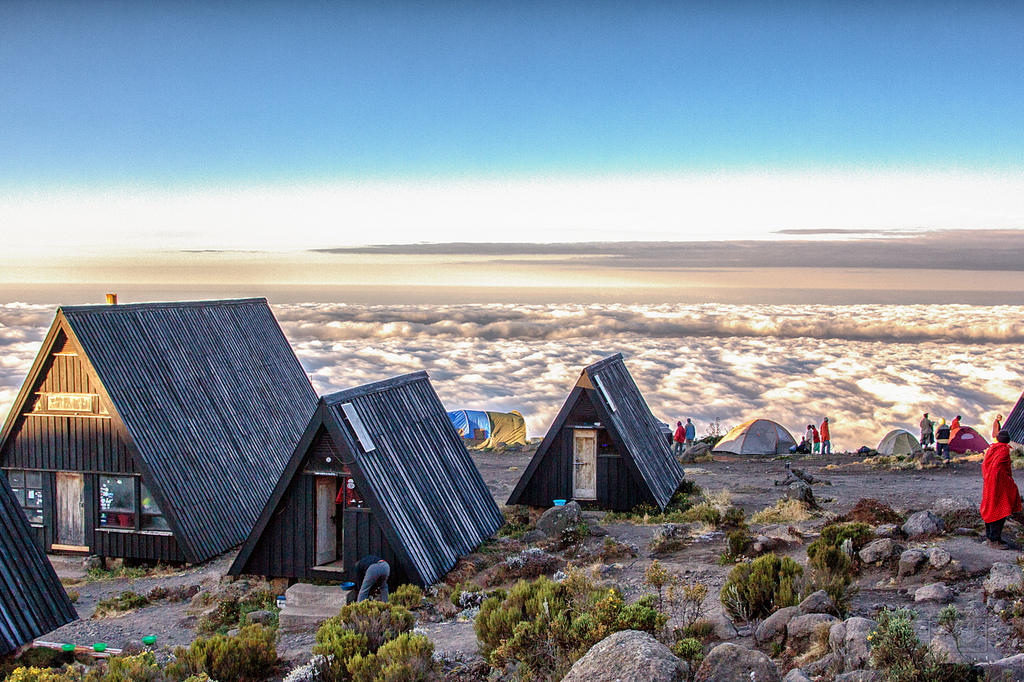
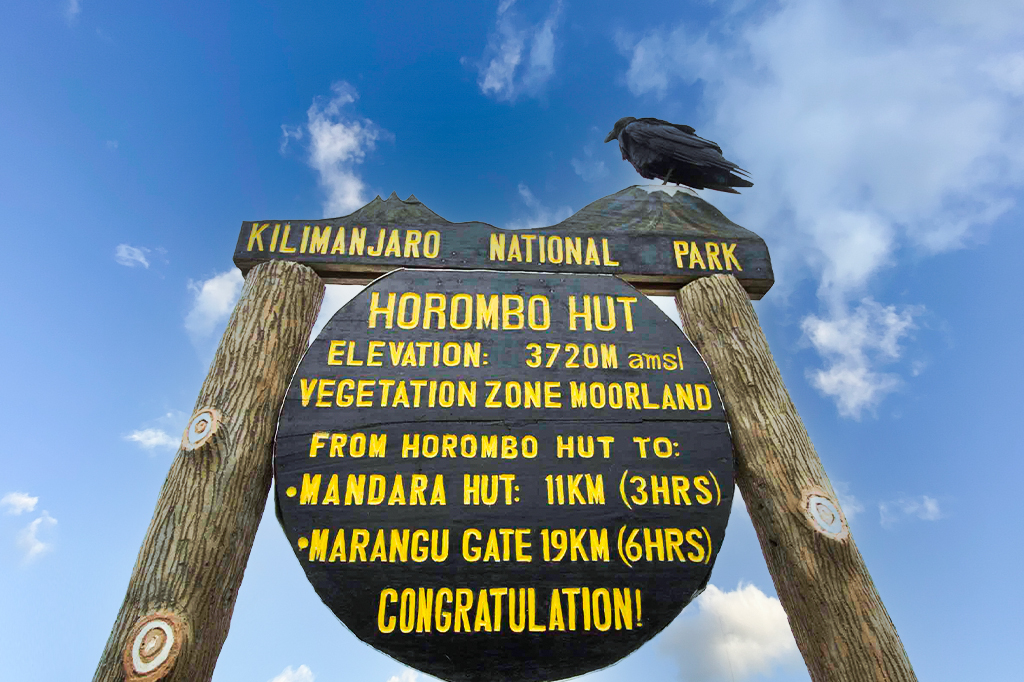
The forest thins out into giant heather and moorland as you trek 6 to 7 hours to reach the Horombo Huts at 3,720 meters.
The views start to open up here. You can see the town of Moshi far below and the jagged peak of Mawenzi ahead. This is where you might start to feel the altitude. Drink at least 3 liters of water today!
Spend an extra day at Horombo Hut, hiking up to Zebra Rocks (4,000m) and back down to help your body produce more red blood cells.
Most people who fail the summit skip this day. We don’t. We hike up high, enjoy the view of the “Zebra Rocks” (natural black and white striped rocks), and then come back down to sleep. This “Climb High, Sleep Low” rule is why our success rates are so high.
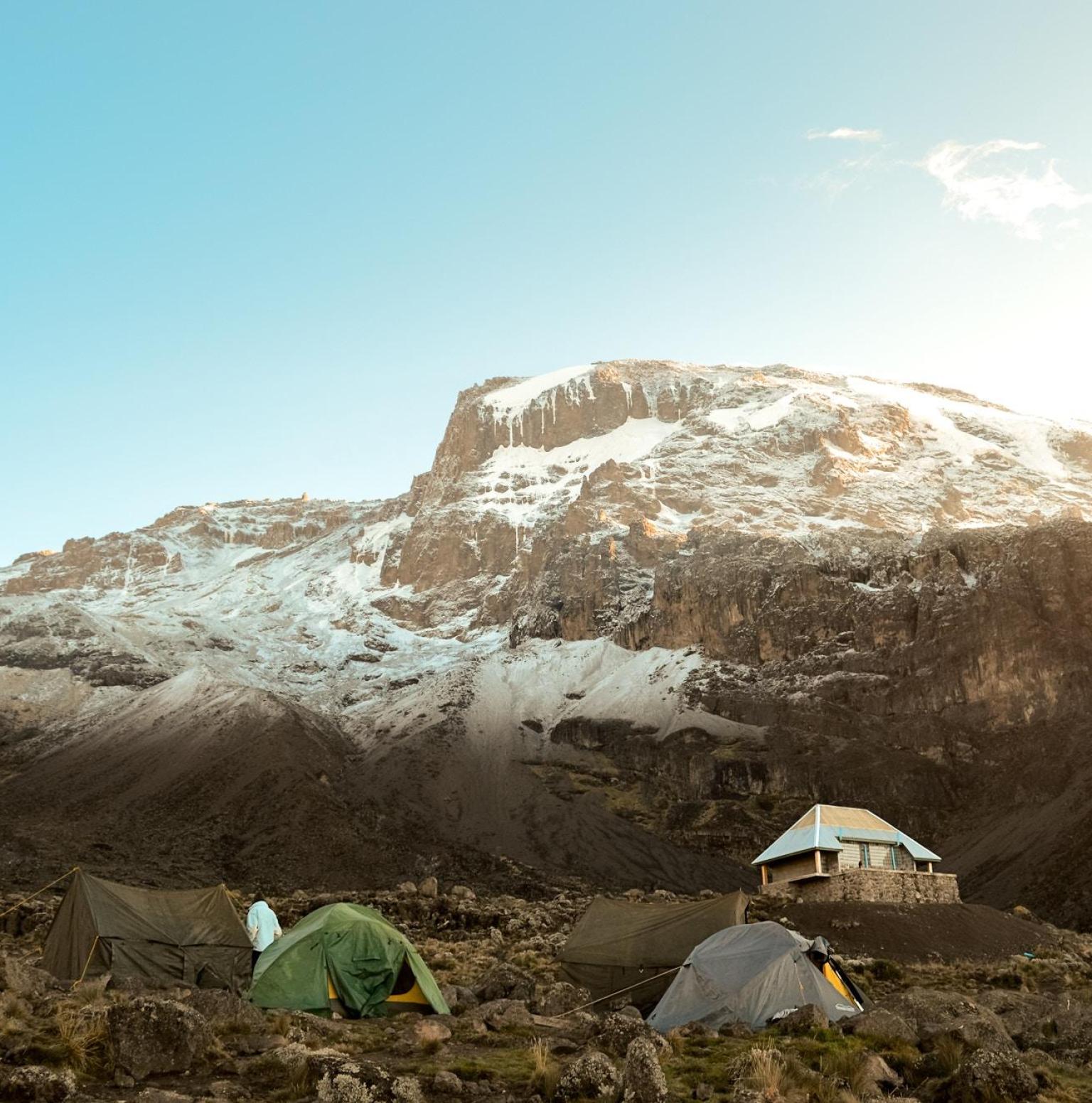
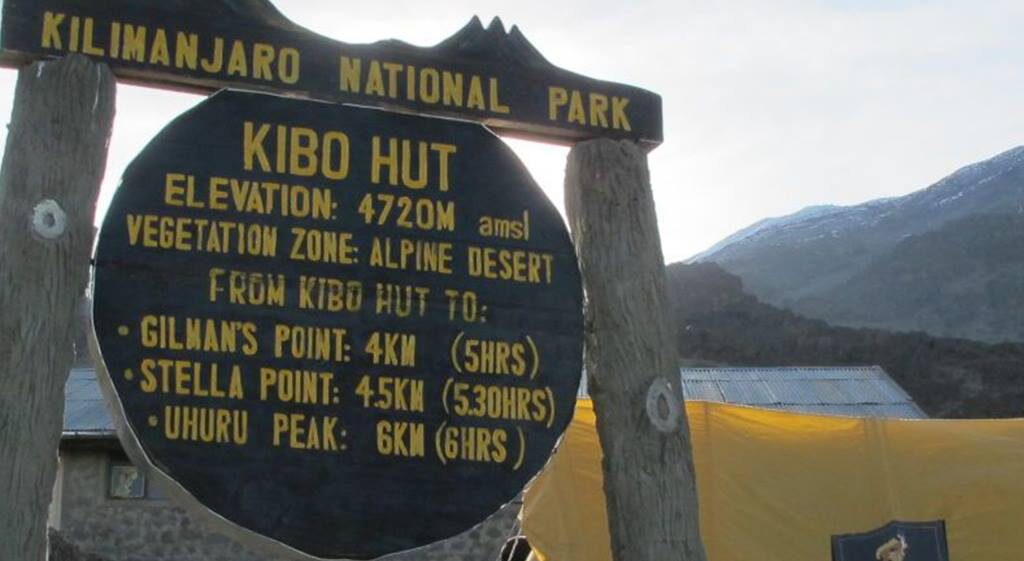
Cross the “Saddle”—a dry, moon-like plateau between Kibo and Mawenzi peaks—to reach Kibo Hut at 4,720 meters in about 5 to 6 hours.
There is no water after this point, and the wind can be very cold. You will have an early dinner at 5:00 PM and try to sleep. You will be waking up at midnight for the big push!
Comparison Box:
Kibo Hut: Stone building, very cold, bunk beds, no running water.
Horombo Hut: Wooden buildings, slightly warmer, shared toilets.
On this final day on the mountain, you descend to Marangu gate, the exit of Kilimanjaro National Park. This is a wonderful five to six-hour walk through the beautiful forests of Kilimanjaro. Your guide then takes you to your hotel, where you get a well-deserved rest.
Sadly, this is the end of your holiday and the time to go home has arrived. Enjoy your last hours in Tanzania before our driver comes to pick you up and takes you to Kilimanjaro International Airport for your flight home. Still longing for more? It’s also possible to add a few days of safari or a beach holiday to your Kilimanjaro adventure!
Receive a free Kilimanjaro climb quote straight to your email within 6 hours! Customize your preferences, and we’ll plan a climb tailored to you. Prices vary by group size and trek details.
Our tours are top-notch but give you great value. The price we tell you upfront covers most of the costs for one person, like flights and all transfers.
*For the most recent reviews/testimonials from our guests, please visit our TripAdvisor page and Trustpilot.
EXCELLENTVerified Safari May 2026 This company exceeded everything we’d hoped for. From the start, the tour operator had everything covered — a detailed itinerary laid out well in advance, quick responses to any questions, and a genuine attentiveness that made the whole thing feel effortless. The accommodation was seriously impressive. Not what I was expecting at all — comfortable, well-appointed, and luxurious. We also spent time right in the heart of the bush. A proper treat. The two people who really made this trip were our guide Mariki and photographer Agnes. Mariki’s knowledge of the bush and animal behaviour is something else — he always seemed to know exactly where to go, and his instincts paid off every single time. Agnes has a brilliant eye and captured shots we could never have got ourselves. As for the wildlife — we saw far more than we ever imagined we would. Elephants, lions, leopard, buffalo, giraffe, zebra, hippos — the lot. As a first safari, I couldn’t have asked for more. Would recommend without hesitation.Posted on TripadvisorVerified Great Experience with Tanzania Safari Experience We had an amazing safari with Tanzania Safari Experience, and honestly the whole trip was put together really well by Laurent and his team. From our first message to the last day, they were easy to reach, quick to reply, and clear about everything. The plan made sense, the timing was smooth, and we didn’t have to stress about anything. Uncle J was a big part of what made it special. He knows the parks incredibly well and seems to notice things before anyone else. He’d position the vehicle perfectly for photos and often got us to sightings before the crowds built up. We were lucky to see [your highlights: migration / lions / cheetahs / elephants / a crossing], and every drive felt exciting and different. The vehicle was comfortable and in good shape, and everything ran on schedule. If you’re looking for a well-organized safari with a great guide, I’d definitely recommend Tanzania Safari Experience.Posted on TripadvisorVerified An absolutely brilliant tour / travel company What can I say. How do you explain PERFECTION. I will try. From the outset of our trip Ramadhan and Laurent were excellent. We gave them our requirements and budget and they prepared a program that was outstanding. The whole safari went like clockwork. We were met and briefed by Ramadhan on our arrival and introduced to our driver and guide extraordinar Ngoi. We visited Tarangier, Serengeti, Ngorongoro and the Ngorongoro Crater and Zanzibar. Absolutely brilliant trip, we saw the most extraordinary game. All the accommodation arranged for us was magnificent, especially the tented camps, where we were visited by a lion and elephant, scary but exhilarating. So if you are looking for an unforgettable experience look no further than Laurent and Ramadhan from Tanzania Safari Experience. They truly put clients first and foremost and deliver on their promises. Cheers from a very satisfied Chris and Terri HarveyVerified by TrustindexTrustindex verified badge is the Universal Symbol of Trust. Only the greatest companies can get the verified badge who has a review score above 4.5, based on customer reviews over the past 12 months. Read more
Customer reviews will load after you allow external content.
Every Kilimanjaro climb starts with questions. Whether it’s your first attempt or a return to the mountain, it’s normal to wonder about the best time to go, what to pack, and how the climb works. Here, we’ve answered the most common questions climbers ask before booking, so you can prepare with confidence and focus on reaching the summit.
No. You need a good level of fitness (can you walk for 6 hours with a 5kg bag?), but mental toughness is more important than big muscles.
Our crew collects water from mountain streams and filters/boils it for you. It is safe, but we recommend bringing purification tablets if you have a sensitive stomach.
Our guides are trained in mountain medicine. We carry pulse oximeters to check your oxygen daily. If you are too sick, we have a specialized rescue team to bring you down safely.
No, it is illegal to climb Kilimanjaro without a licensed guide and a registered company like Tanzania Safari Experience.
January to March and June to October are the dry seasons. Avoid April and May as the rainforest becomes very muddy!
Our Tanzania safari and adventure experts craft personalised, tailor-made itineraries — just for you.

Tanzania Safari Experience is a local Tour Operator specialist in Tanzania Safari, Kilimanjaro Trekking and Zanzibar Tours since 2013.
Travellers' Choice
★★★★★ Ranked on TripAdvisor
TALA Licensed Operator
Full Registered Company
OFFICE
Arusha, Tanzania — East Africa
PHONE & WHATSAPP
RESPONSE TIME
Within 24 hours, 7 days a week

We use essential cookies to keep the website working. With your permission, we also use limited analytics and load external content such as maps, reviews, and videos. We do not use analytics for advertising or personal profiling.
Required for website security, core functionality, and remembering your privacy choice.
Helps us measure general website usage and performance. It is not used for advertising or personal profiling.
Allows content such as maps, customer reviews, and videos to load from third party providers. These providers may receive technical information when their content is loaded.