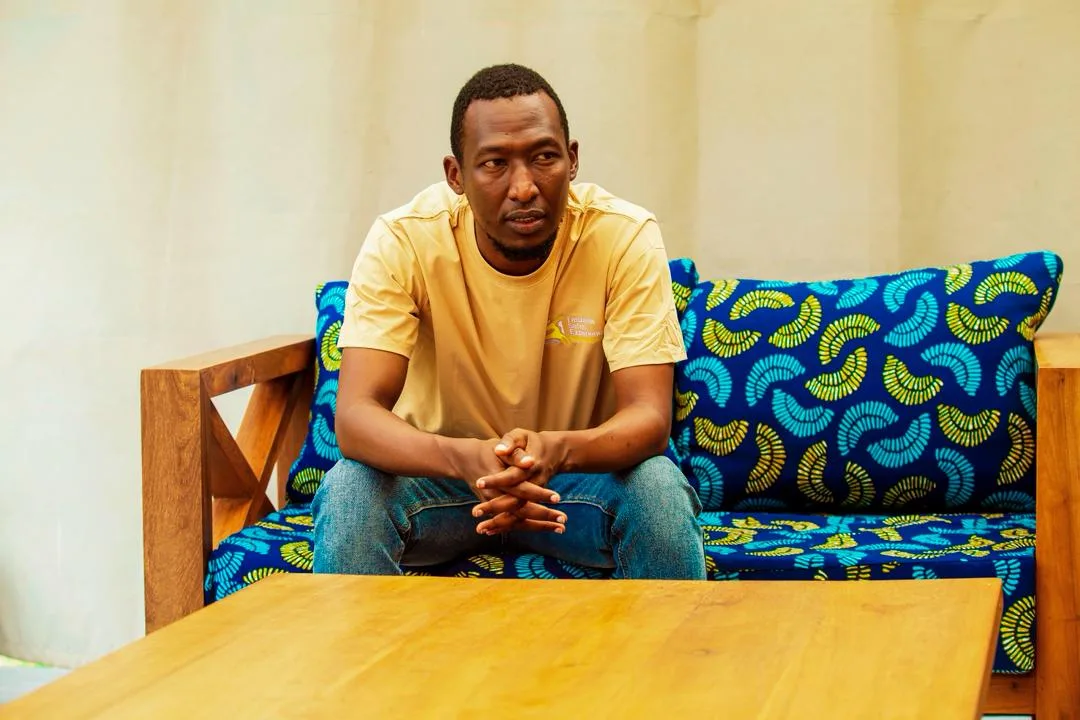

Every time I stand at the Machame Gate, watching trekkers adjust their packs, I see the same look in their eyes—a mix of thrill and “what have I gotten myself into?” It is the ultimate question we get at Tanzania Safari Experience: just how hard is it to stand on the Roof of Africa?
How difficult is it to climb Mount Kilimanjaro?
Mount Kilimanjaro is a “walk-up” mountain, requiring no technical climbing skills, but its extreme altitude, 5,895-meter height, and rapid ascent make it physically and mentally demanding for most hikers.
The Reality of the “Everyman’s” Mountain
I often tell our guests that Kilimanjaro is a psychological game played in a physical arena. You don’t need ice axes or ropes. You don’t need to be an Olympic athlete. I’ve seen 70-year-old grandmothers reach Uhuru Peak while marathon runners have had to turn back.
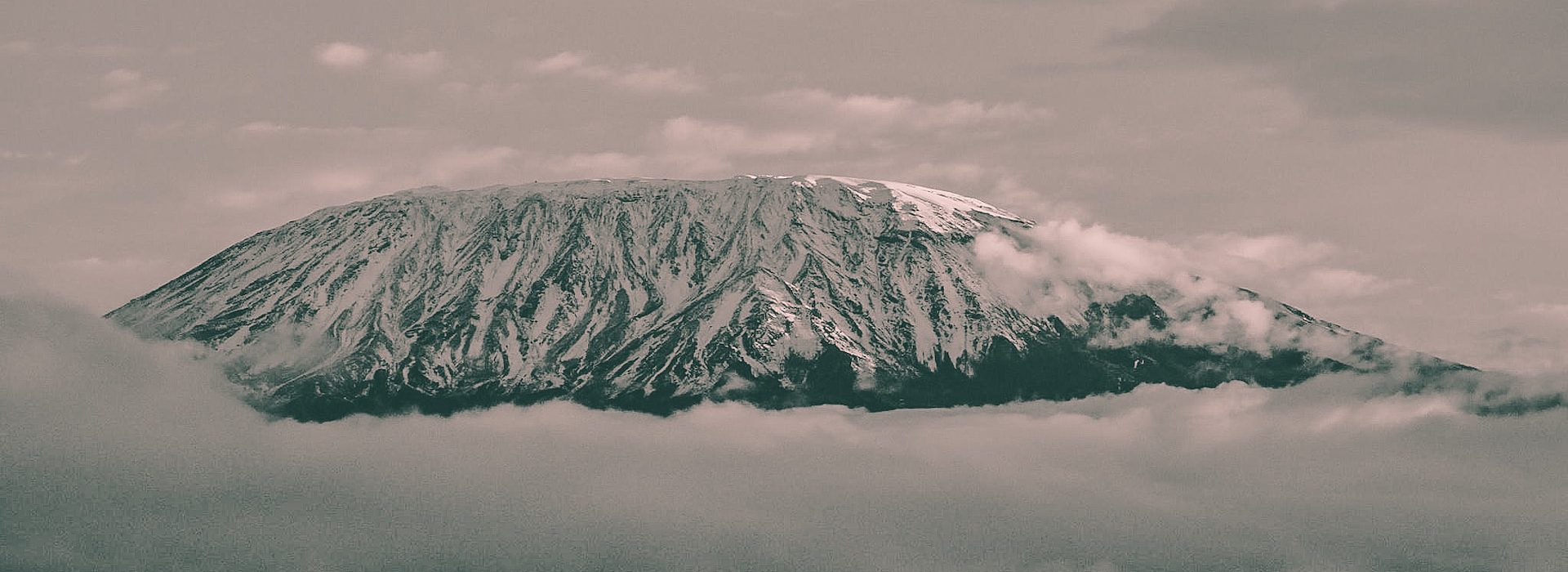
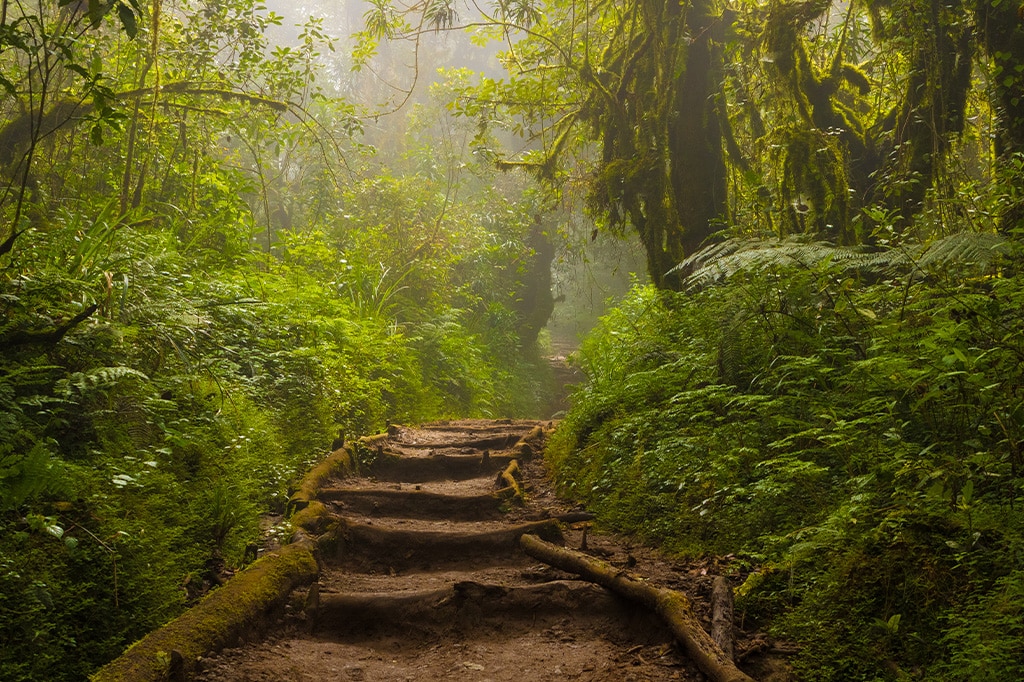
The difficulty isn’t in the incline; it’s in the air. As you move from the lush rainforests at the base to the arctic zone at the summit, the available oxygen drops by nearly 2026. Your body has to work twice as hard just to keep your heart beating.
Breaking Down the Challenge
| Feature | Difficulty Level | Why? |
| Technical Skill | Beginner | No ropes, harnesses, or rock climbing involved. |
| Physical Stamina | Moderate-High | You will hike 5–8 hours daily for several days. |
| Altitude | Extreme | The primary reason people fail; oxygen is thin at 19,341 feet. |
| Weather | Variable | Can go from 30°C in the forest to -20°C at the summit. |
Pro-Tip from the Trail: Don’t just train by running. The best preparation is “weighted hiking.” Wear your actual trekking boots and a 10kg pack while walking up hills or stairs. Your calf muscles will thank me when you hit the Barranco Wall.
Why the Route You Choose Dictates Your Difficulty
Most people look at the price tag or the number of days when picking a route, but as someone who has been up and down this mountain more times than I can count, I’m telling you: look at the acclimatization profile.
Which Kilimanjaro route is the easiest?
The Lemosho and Northern Circuit routes are considered the most manageable because their longer durations (8–9 days) allow the body to acclimatize properly, resulting in success rates above 90%.
Route Comparison: Success vs. Struggle
-
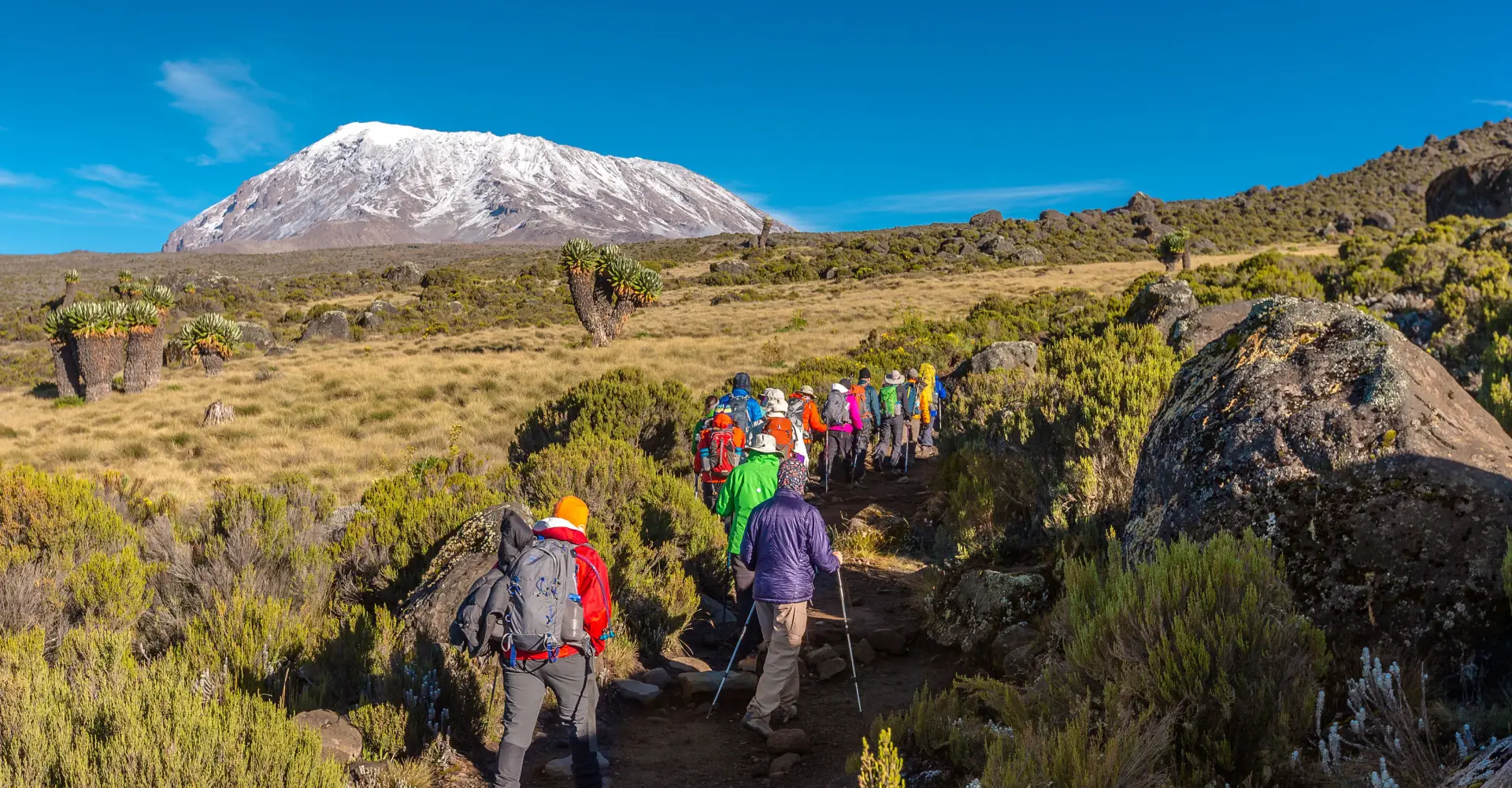
The Machame Route (6-7 Days): Steep and beautiful. It’s hard work because you “climb high and sleep low” frequently.
-
The Marangu Route (5-6 Days): Often called the “Coca-Cola” route because it’s “easy,” but it actually has the lowest success rate. Why? People try to rush it in 5 days and the altitude hits them like a freight train.
-
The Lemosho Route (7-8 Days): Our personal favorite. It starts remote and gives you plenty of time to find your rhythm.
Facing the Barranco Wall: Fact vs. Fiction
You’ll hear stories about the “dreadful” Barranco Wall. First-timers often worry they’ll need Spiderman skills to get over it.
Is the Barranco Wall dangerous?
The Barranco Wall is a non-technical scramble that requires using your hands for balance, but it is not a vertical climb and is safely managed by thousands of trekkers annually.
In reality, the “Kissing Rock” on the wall is just a narrow ledge where you have to hug the stone to pass. It’s actually the highlight of the trip for most of our groups! The view from the top of the wall, looking down at the clouds, is where you first feel like you’ve truly conquered something.
Preparation: More Than Just New Boots
I’ve seen trekkers show up with the most expensive gear but zero “mountain legs.” If you want to make the climb feel “easy,” you need to prepare your lungs as much as your legs.
How should I train for Kilimanjaro?
Focus on cardiovascular endurance and leg strength through hiking, swimming, or cycling, aiming for at least three to four months of consistent training before your scheduled departure date.
The Hidden Difficulty: The “Summit Night”
Everything before the final night is a warm-up. Summit night is where the mental “difficulty” peaks. You’ll be woken up at midnight, it will be freezing, and you’ll be hiking by headlamp.
This is where the Tanzanian spirit comes in. Our guides will be singing traditional songs, keeping the pace “Pole Pole” (slowly, slowly). I always tell my guests: “Don’t look at the top. Look at the heels of the person in front of you.”
Equipment Checklist: The Non-Negotiables
-
Thermal Layers: Avoid cotton. It holds moisture and will freeze.
-
High-Calorie Snacks: At 5,000 meters, you lose your appetite, but your body needs fuel. Bring “comfort” snacks like chocolate or nuts.
-
Hydration Bladder + Insulated Bottle: Your bladder tube will freeze on summit night. Have a Nalgene bottle tucked inside a wool sock as a backup.
Safety and Altitude Sickness (AMS)
We don’t take risks. A Tier-1 operator should check your oxygen saturation levels every morning and evening.
What are the symptoms of altitude sickness on Kilimanjaro?
Common symptoms include headaches, nausea, dizziness, and loss of appetite; while mild symptoms are normal, severe cases require immediate descent to lower altitudes for safety.
Local Insight: Many people take Diamox to help with the altitude. It works, but it makes you pee—a lot. If you take it, make sure you’re drinking even more water than the recommended 3–4 liters a day.
Comparison: Group vs. Private Climbs
| Feature | Group Climb | Private Climb |
| Pace | Set by the group average. | Tailored to your specific speed. |
| Cost | More budget-friendly. | Premium pricing. |
| Experience | Social and high energy. | Intimate and flexible. |
The Role of Your Crew
The difficulty of your climb is inversely proportional to the quality of your crew. Our porters are the unsung heroes who carry the gear, set up the tents, and cook hot meals while you’re still catching your breath. For high-authority information on park regulations and safety, you can check the Tanzania National Parks (TANAPA) official site.
When to Go: Weather and Its Impact
The “difficulty” changes with the seasons. Climbing in June is a different beast than climbing in November.
What is the best month to climb Kilimanjaro?
January to March and June to October are the best months to climb, offering dry trails, clear skies, and more predictable weather conditions for reaching the summit.
Frequently Asked Questions
Can a beginner climb Kilimanjaro?
Absolutely. Most people who summit are not professional mountaineers. If you can walk for 6 hours a day on a treadmill at an incline, you can do this.
Is it cold on Kilimanjaro?
Yes, it varies wildly. You start in tropical heat (30°C) and end in arctic conditions (-20°C). Layering is your best friend.
How many people actually reach the summit?
On 8-day routes, the success rate is near 90%. On 5-day routes, it drops to about 50%. Time is the biggest factor in success.
Do I need a permit to climb?
Yes, all climbers must be accompanied by a licensed guide and have the proper permits from Kilimanjaro National Park.
What happens if I can’t make it to the top?
Safety is our first priority. If a climber cannot continue, a guide will escort them down immediately while the rest of the group continues.
Is it hard? Yes. Is it impossible? Not even close. Kilimanjaro is a test of character more than a test of muscle. It requires you to slow down, breathe, and appreciate the ancient beauty of the mountain.
At Tanzania Safari Experience, we don’t just guide you; we walk beside you as brothers and sisters. We know every rock, every shortcut for the wind, and every star in the sky above Kibo. If you want a trip that is safe, authentic, and life-changing, you belong on the mountain with us.
For more details on packing, you can visit our comprehensive gear guide to ensure you’re fully prepared for the trek. Check out our internal guides on Zanzibar recovery retreats and Serengeti safari extensions to round out your Tanzanian adventure.