



Ready to Plan
Your Safari?
Our Tanzania safari and adventure experts craft personalised, tailor-made itineraries — just for you.
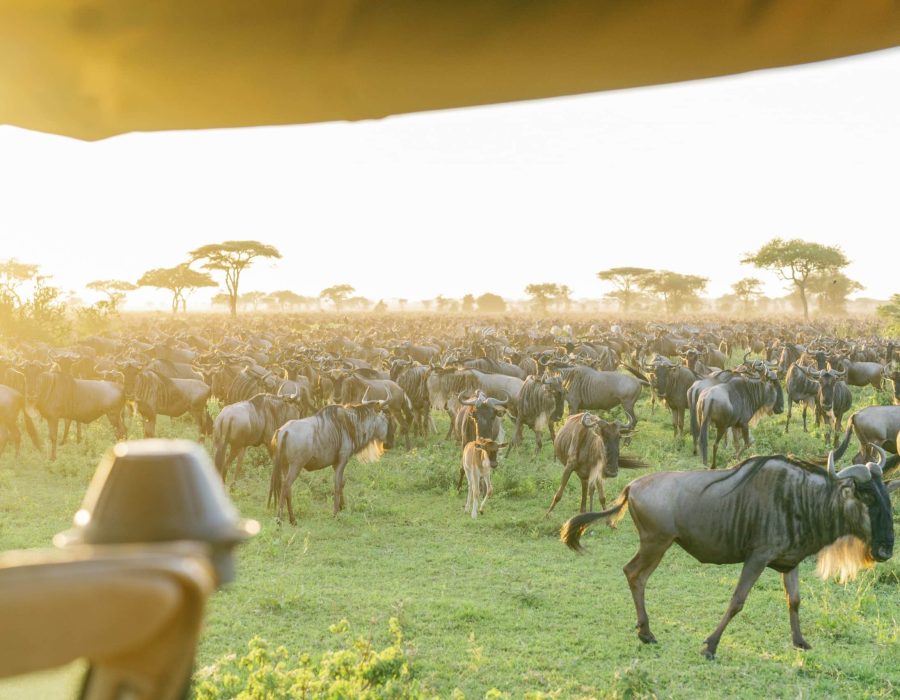
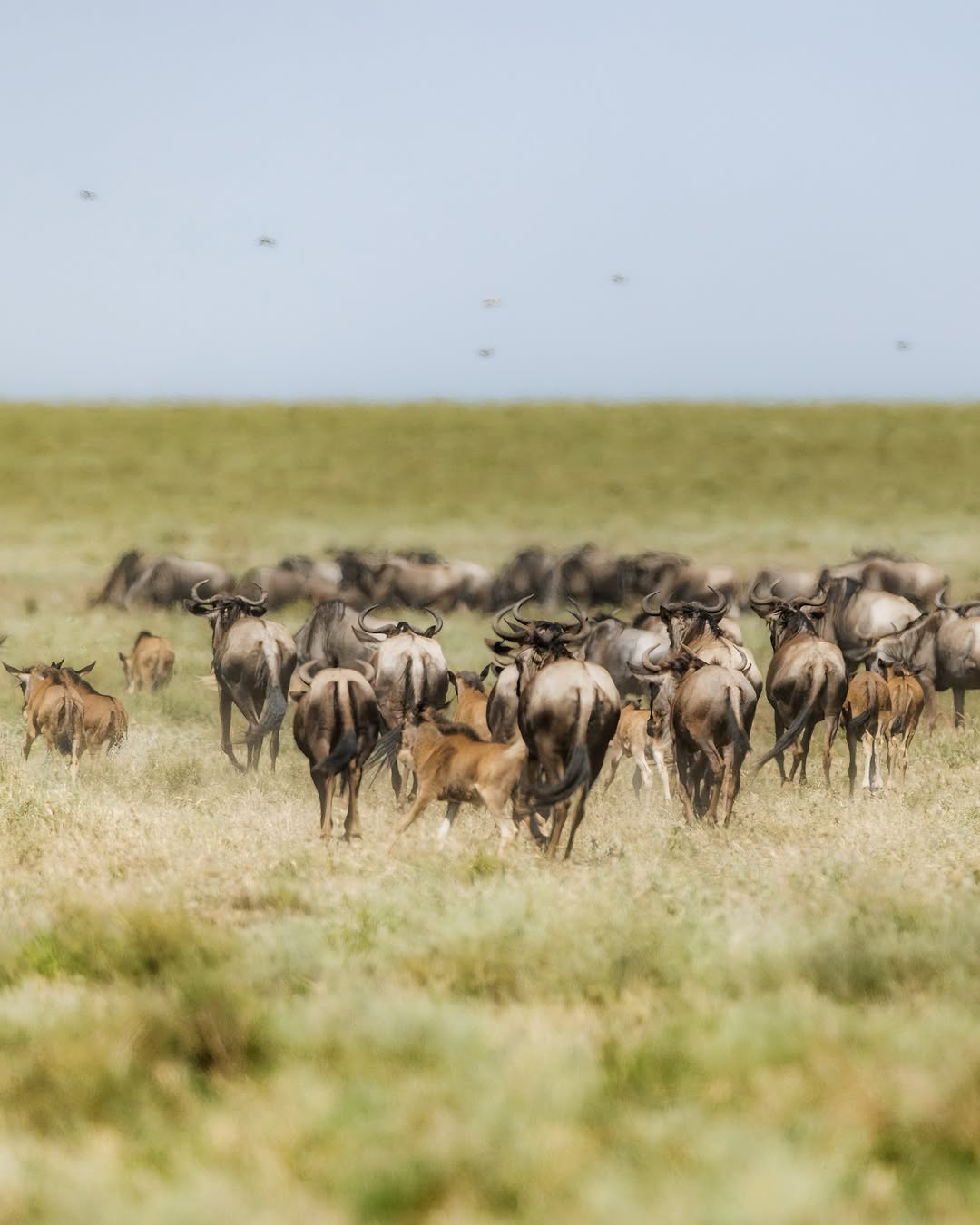
The Great Migration is not just a movement of animals; it is the rhythmic heartbeat of the African wild that dictates the survival of millions. At Tanzania Safari Experience, we don’t just book tours; we orchestrate front-row seats to the greatest wildlife show on earth.
The Wildebeest Migration Safari Essentials An 8-day Serengeti migration safari provides a comprehensive journey through Tanzania’s “Northern Circuit,” focusing on the dramatic Mara River crossings in the North and the predator-rich plains of the Central Serengeti.
Why does an 8-day itinerary work regardless of the specific month? The migration follows the rain, not a watch. An 8-day plan provides the geographic flexibility to pivot between the Central “Holding Grounds” and the Northern “Frontiers,” ensuring that wherever the herds move, our teams are already there.
In my years of leading expeditions for Tanzania Safari Experience, I’ve learned that the most disappointed travelers are those who try to “time” the migration to a specific day. The secret we share with our guests is that the migration is a pulse. Even if the crossings haven’t started, the sheer density of life in the Serengeti remains staggering. Our 8-day route is designed to catch the herds in transition, which is when predators are most active.
Pro-Tip: The “Vulture Compass”
If you want to find the action before the radio chatter starts, look at the sky. We teach our guests to watch for the soaring patterns of white-backed vultures. They are the Serengeti’s most honest messengers; where they circle, the migration has left its mark.
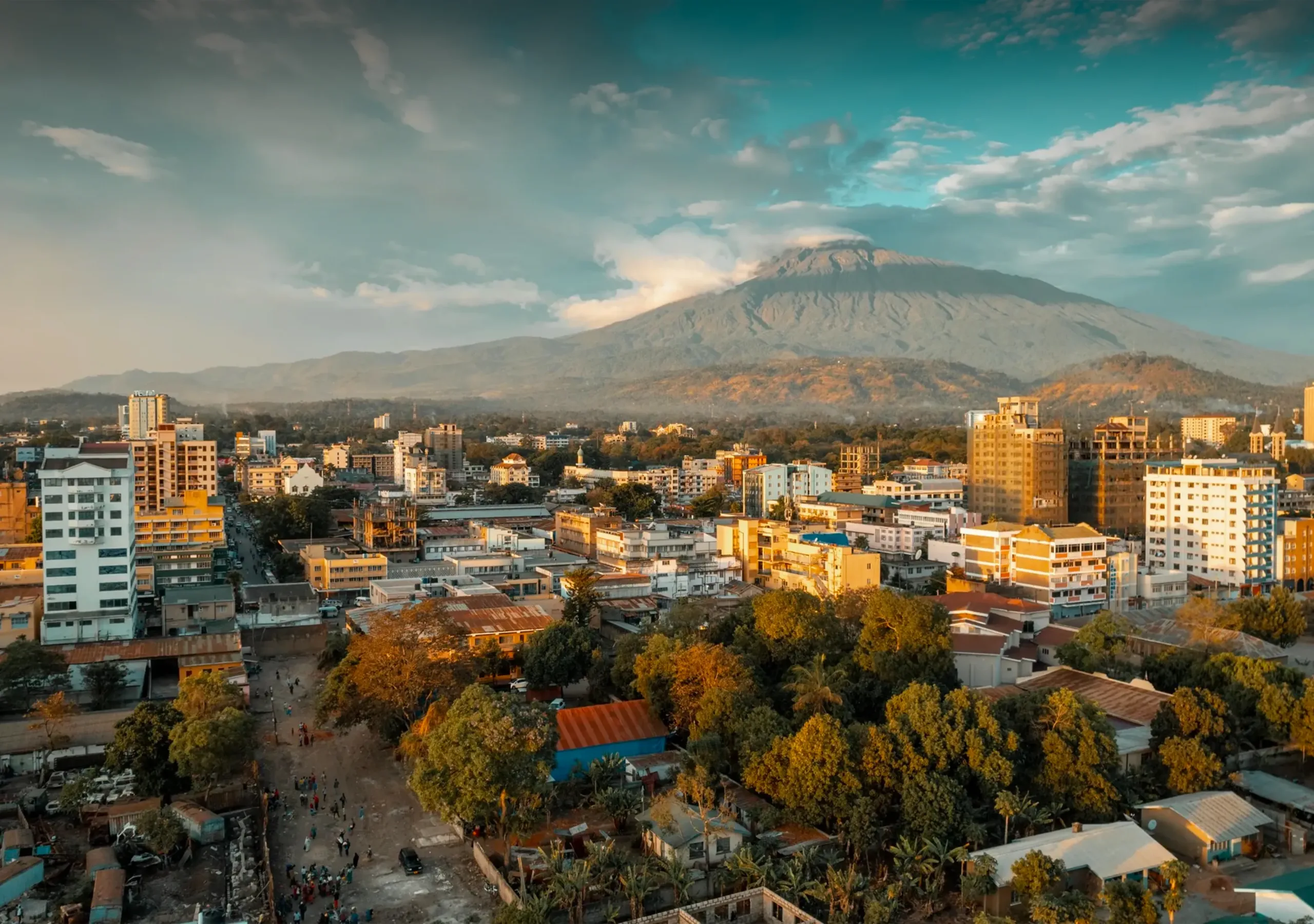
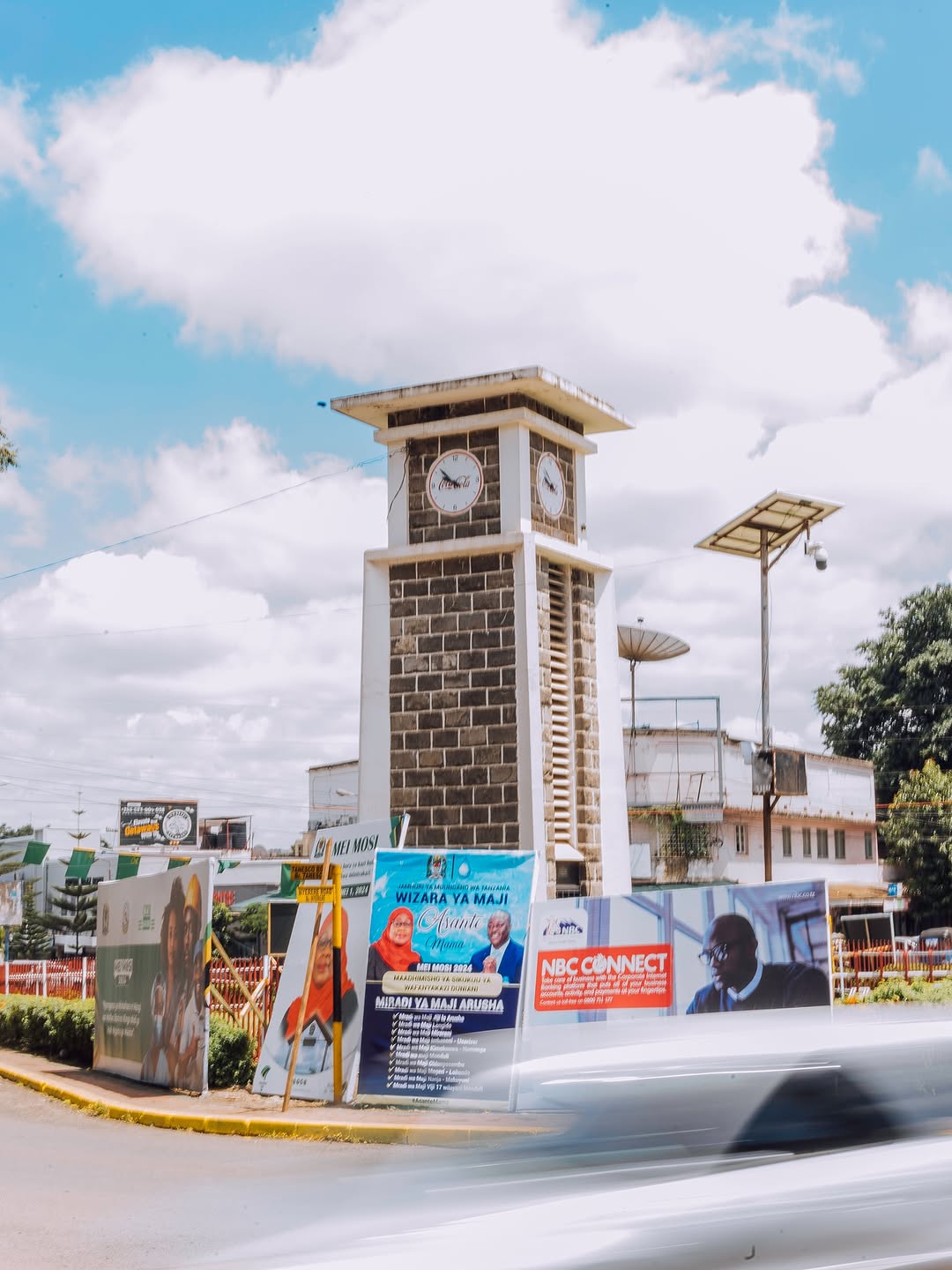
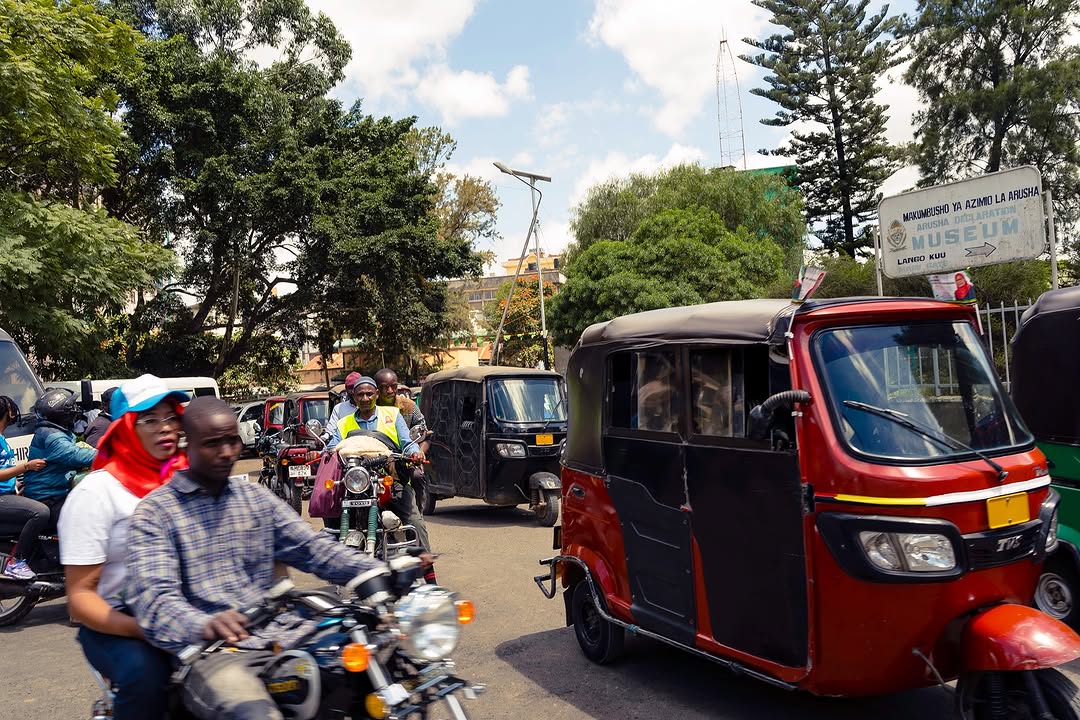
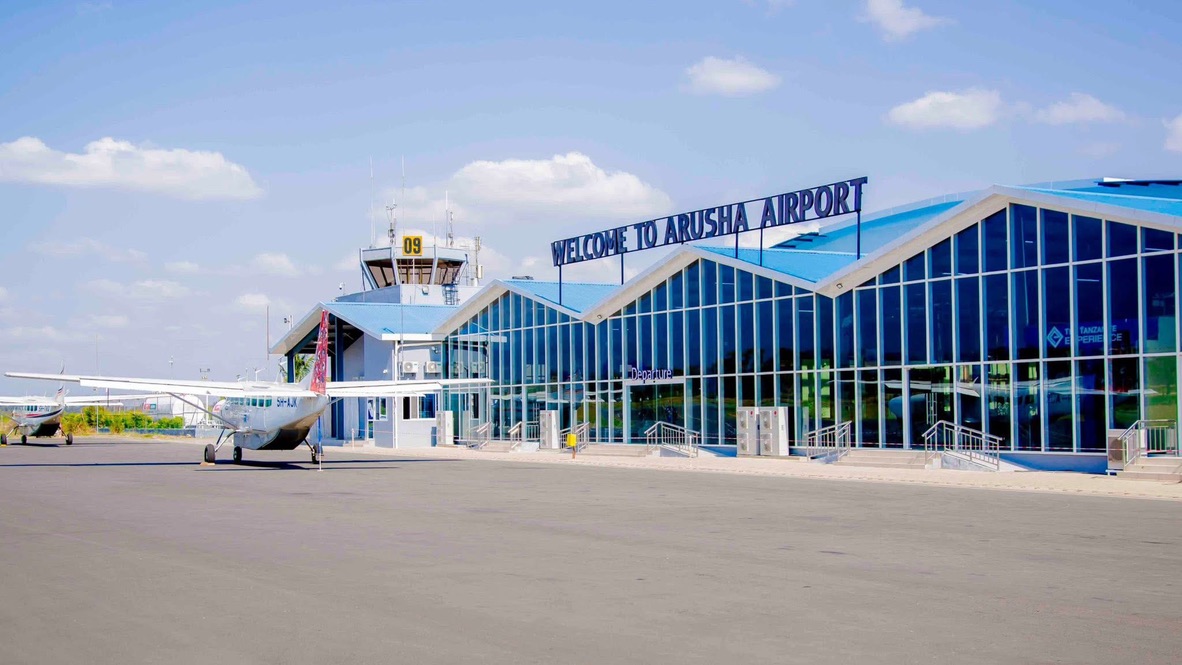
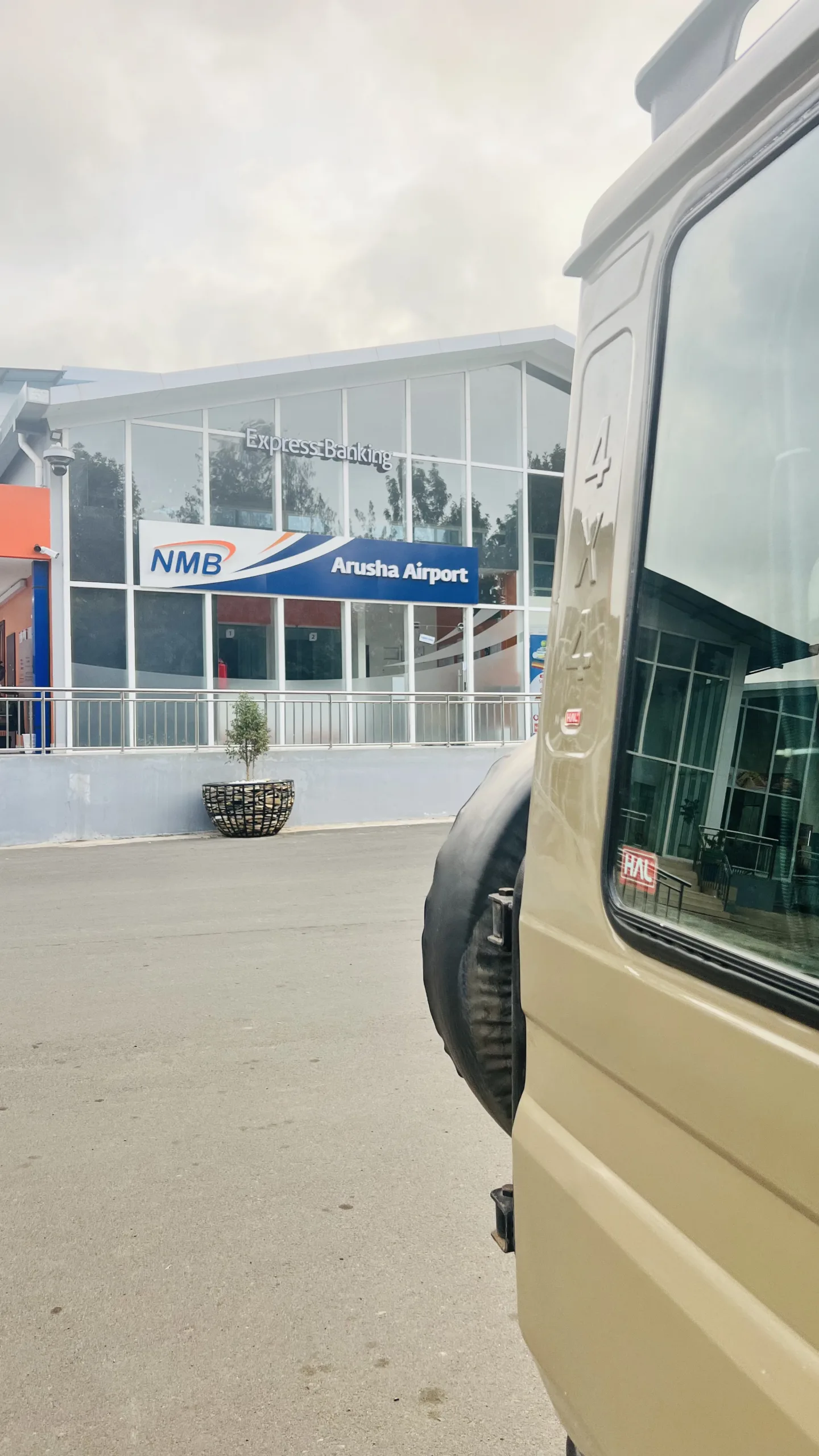
What is the best way to start a high-authority Tanzania safari? Beginning in Arusha provides a necessary “soft landing,” allowing travelers to acclimatize and brief with their expert guides before heading into the remote bush.
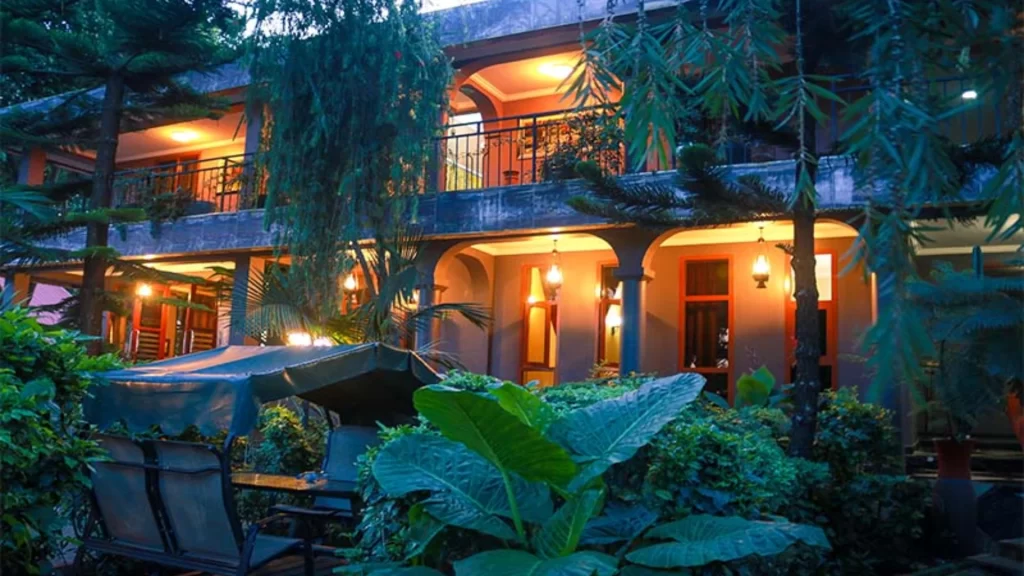
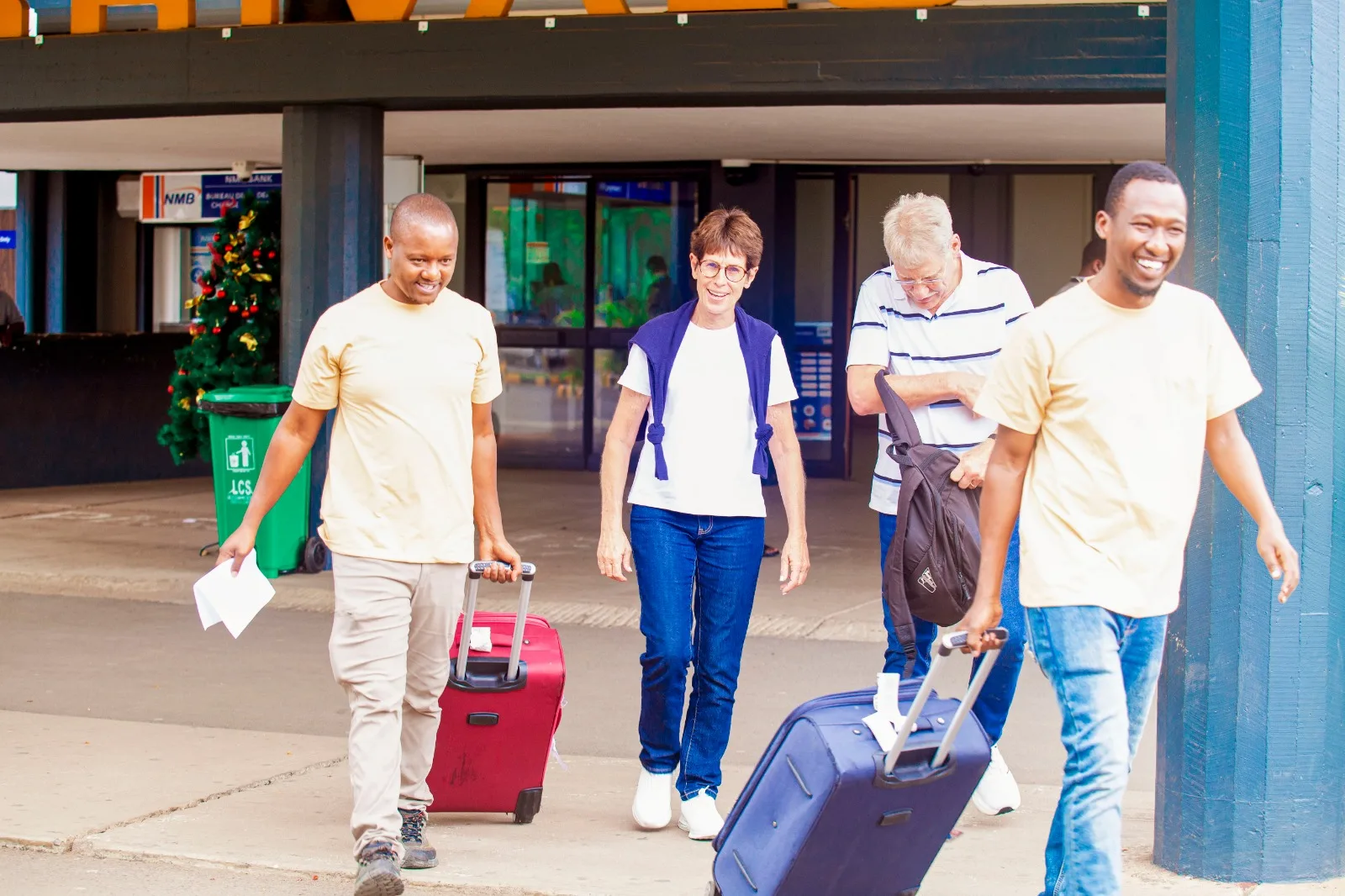
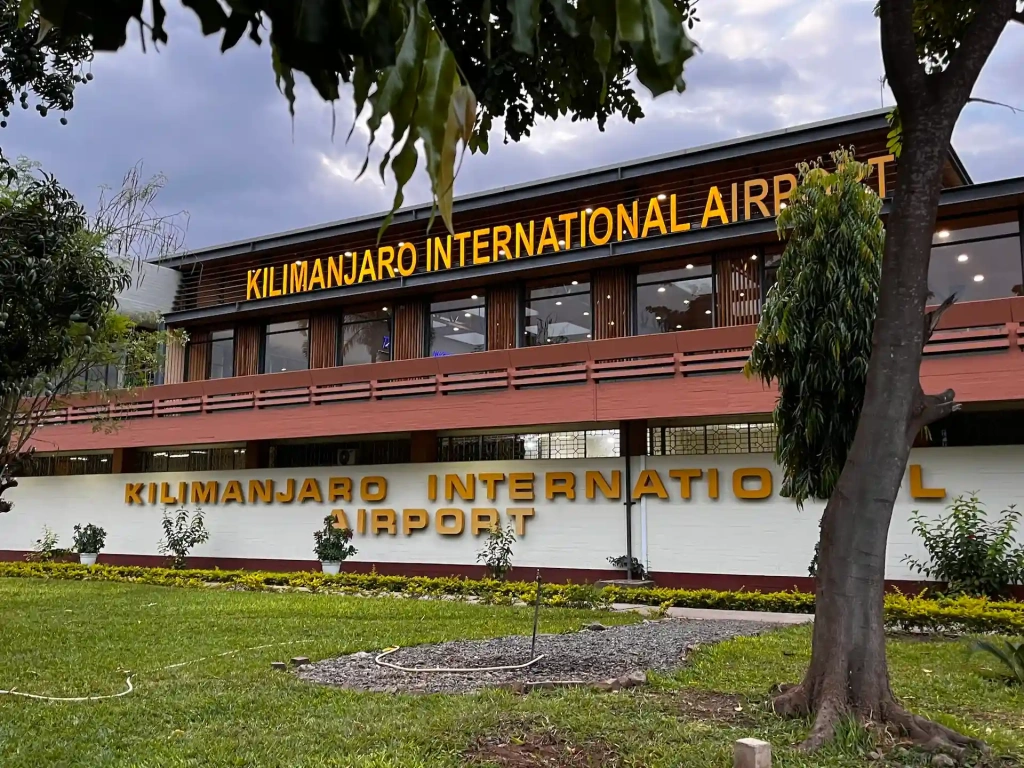
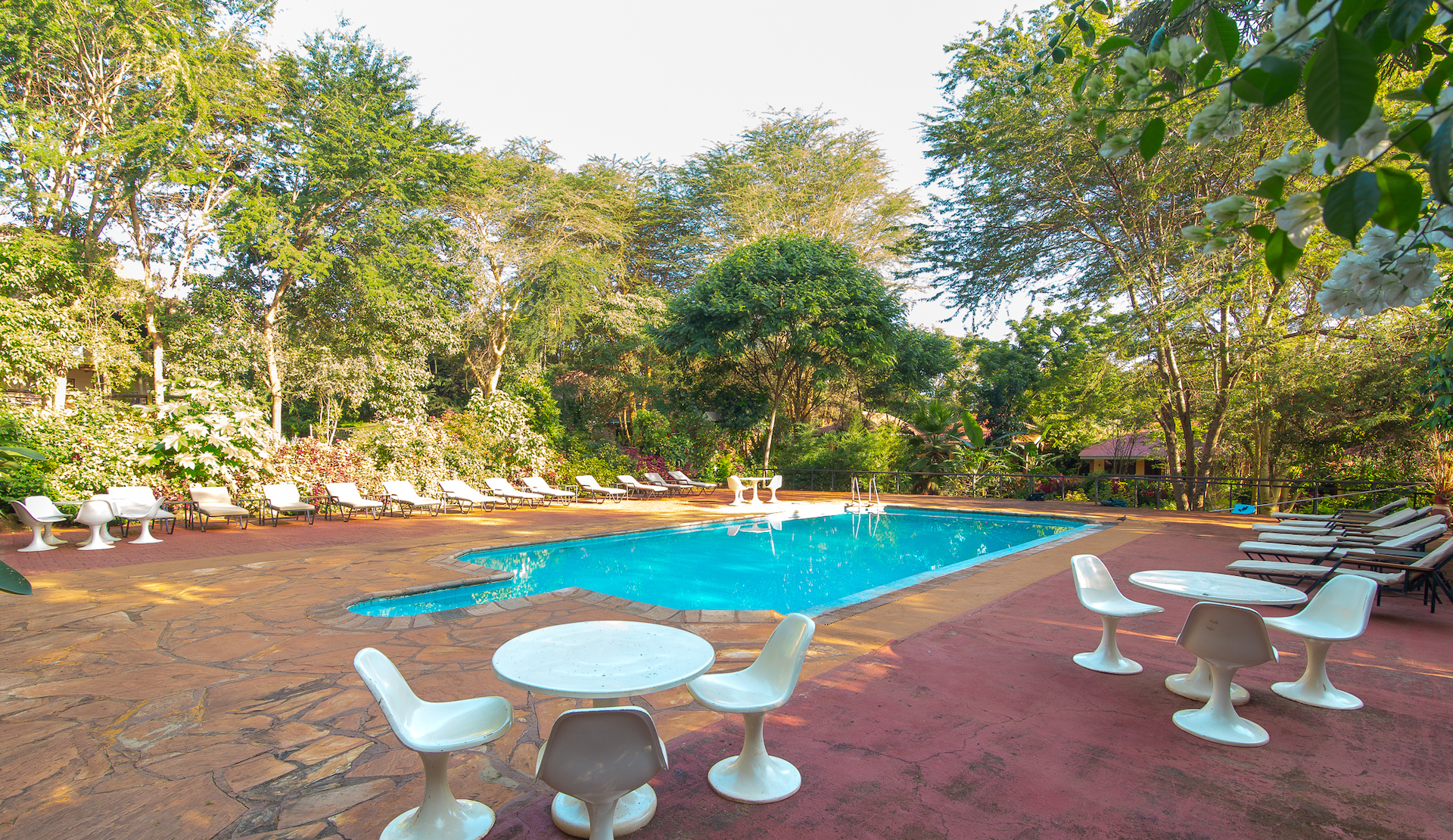
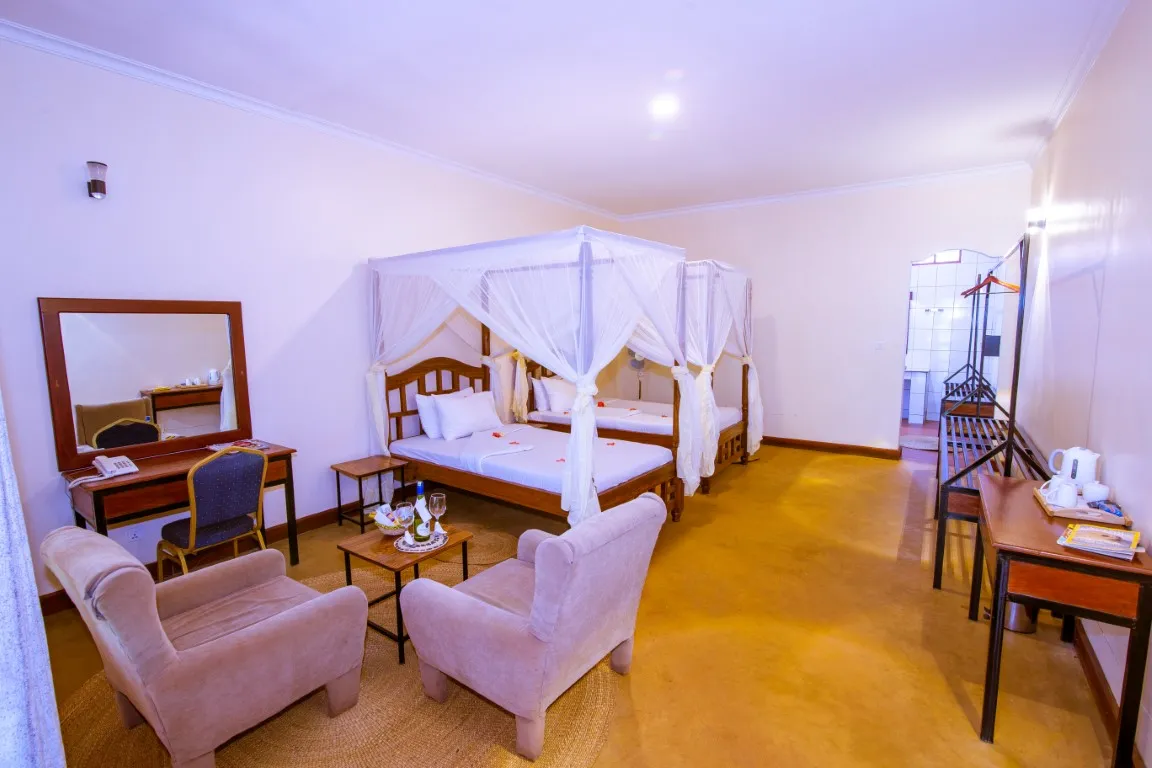
Upon your arrival at Kilimanjaro International Airport (JRO), our Tanzania Safari Experience team will meet you and transfer you to the Tulia Boutique Hotel & Spa. This first day is about preparation. We personally sit down with you to discuss the current movement of the herds, as the migration is driven by rainfall and can shift by the hour.
Pro-Tip: Use this evening to double-check your gear. Ensure your dust-proofing covers are ready; the Serengeti’s volcanic soil is incredibly fine and can be tough on camera equipment.
Travel Time
The estimated time of arrival (ETA) from Kilimanjaro International Airport (JRO) to Arusha city is approximately 1 hour by road. The distance is about 50 kilometers (31 miles), but travel time can vary depending on traffic and weather conditions.
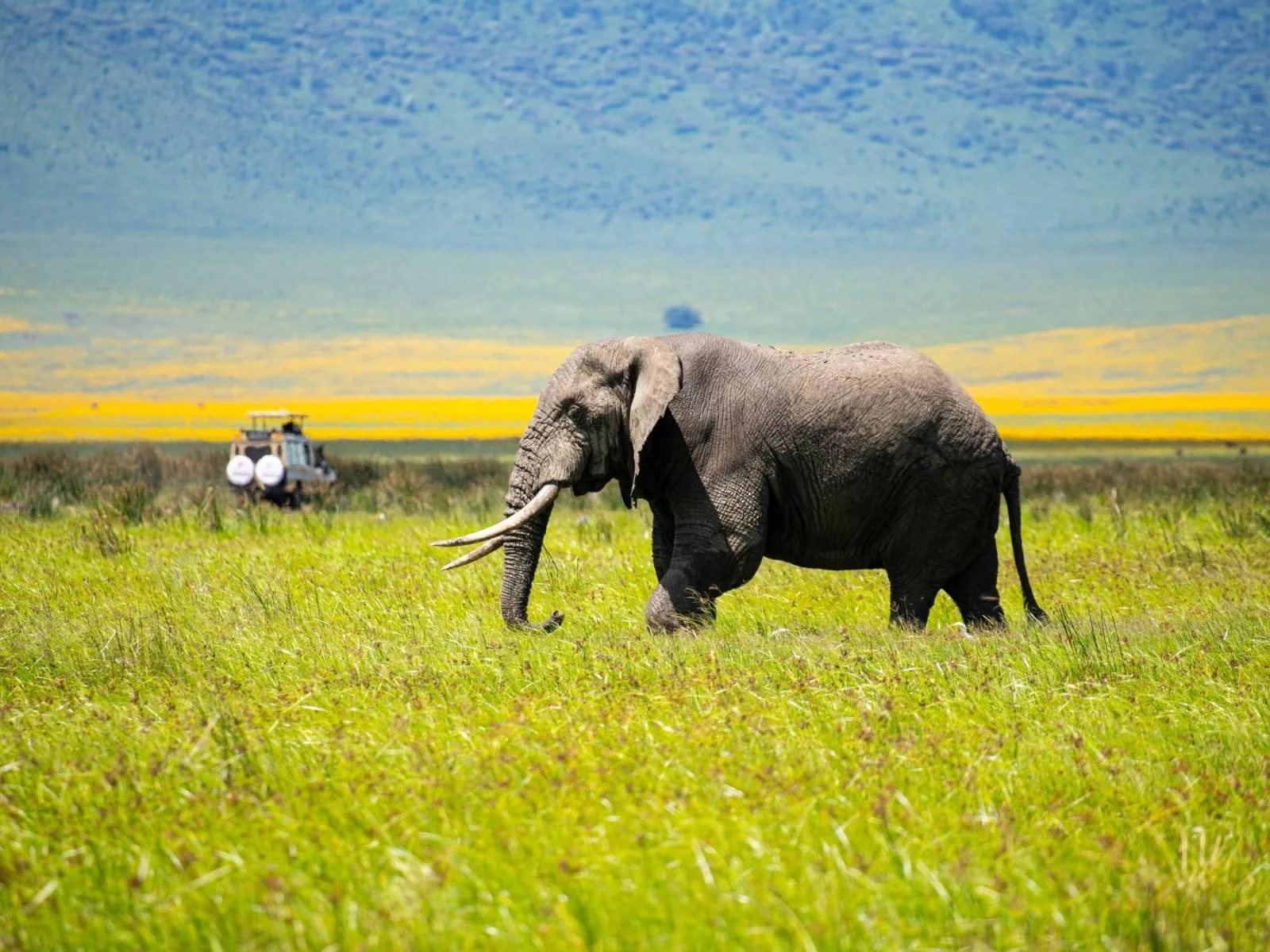
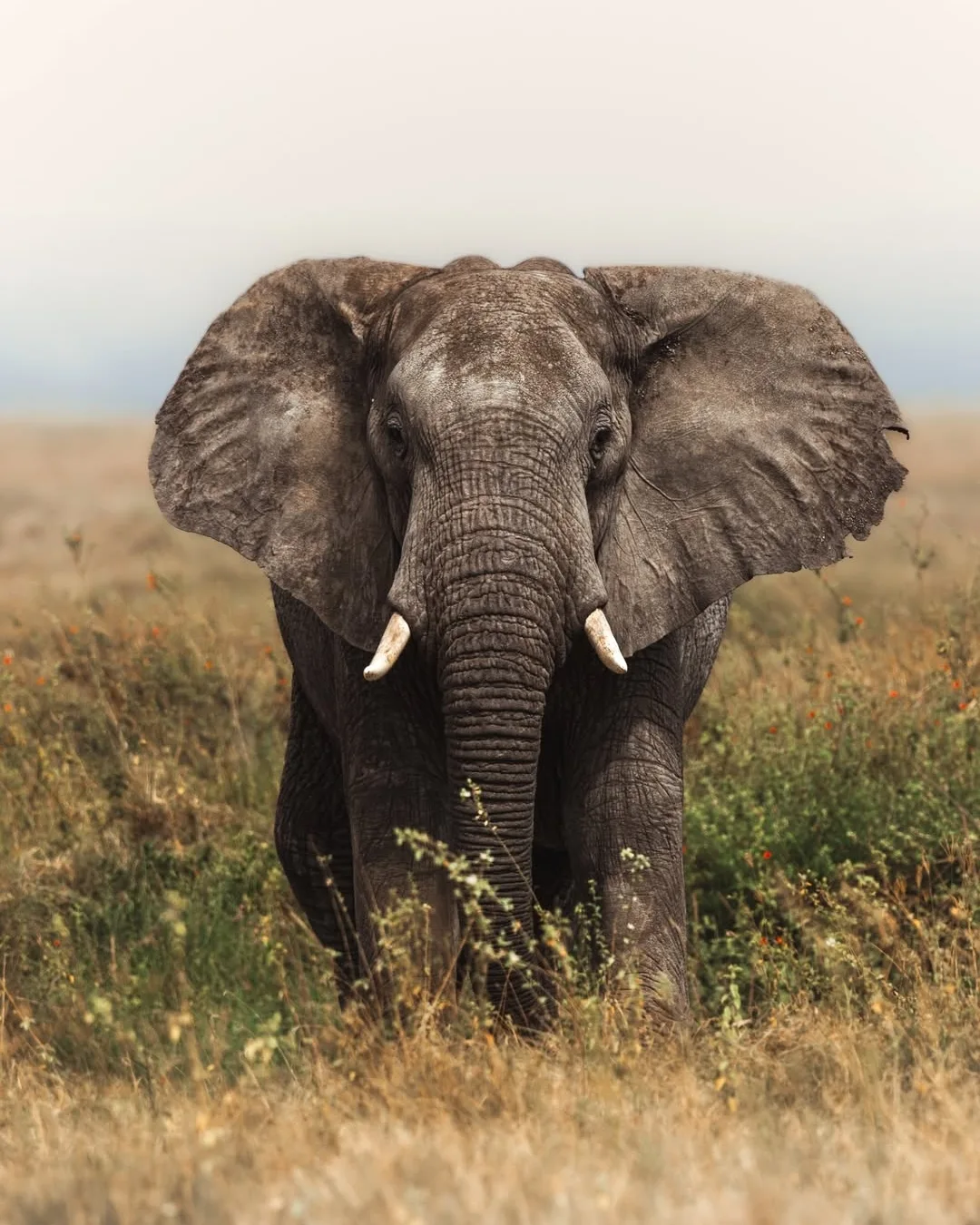
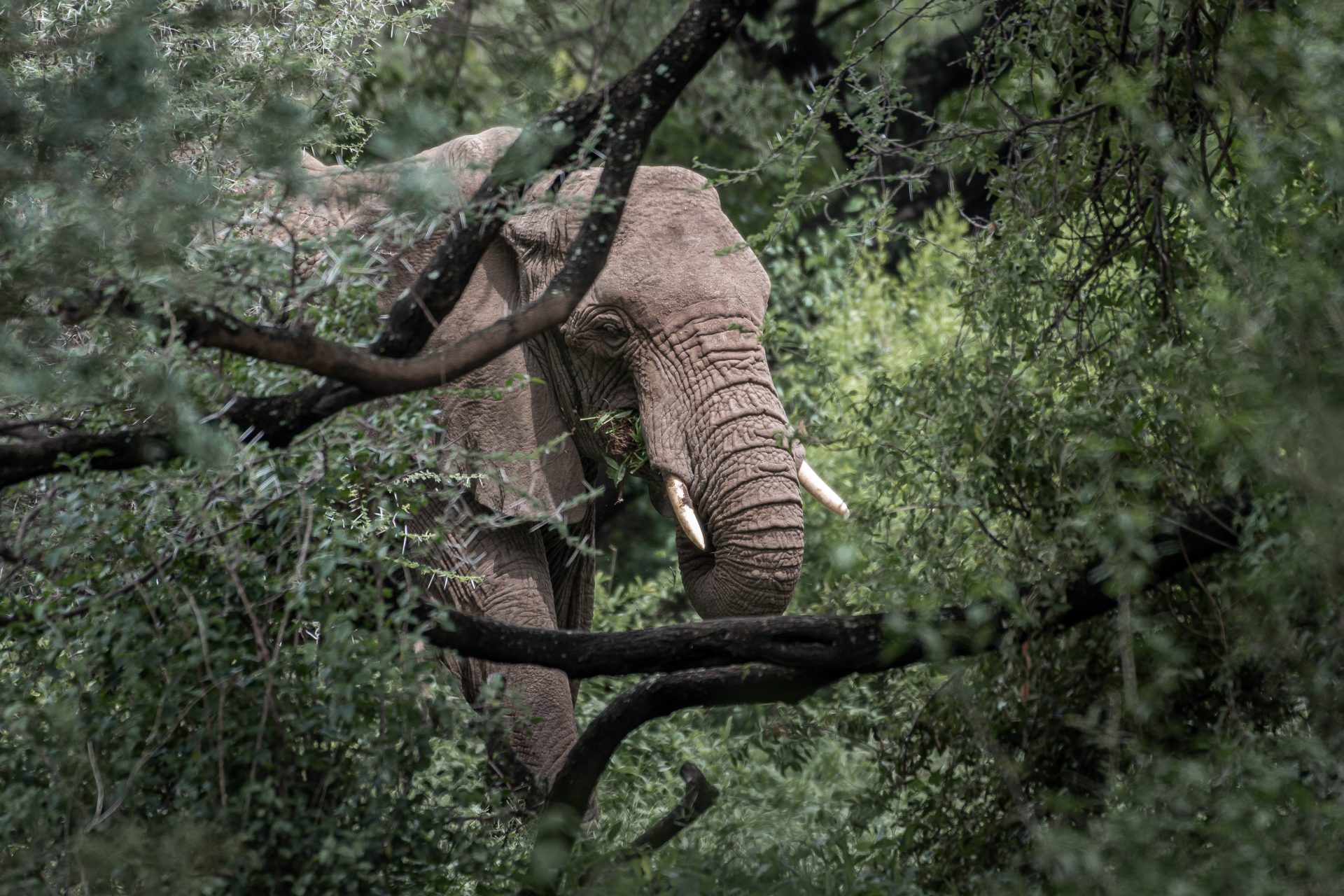
Why include Tarangire National Park in a migration-focused itinerary? Tarangire acts as a vital ecological contrast, boasting the highest concentration of elephants in Africa and ancient baobab trees that provide a completely different visual landscape than the Serengeti.
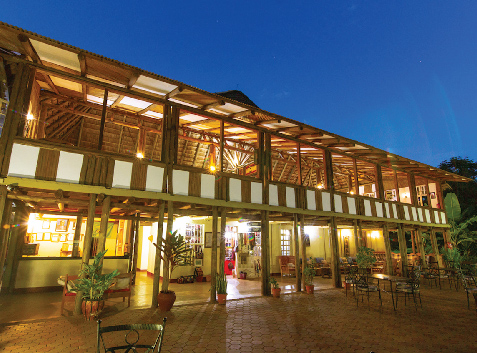
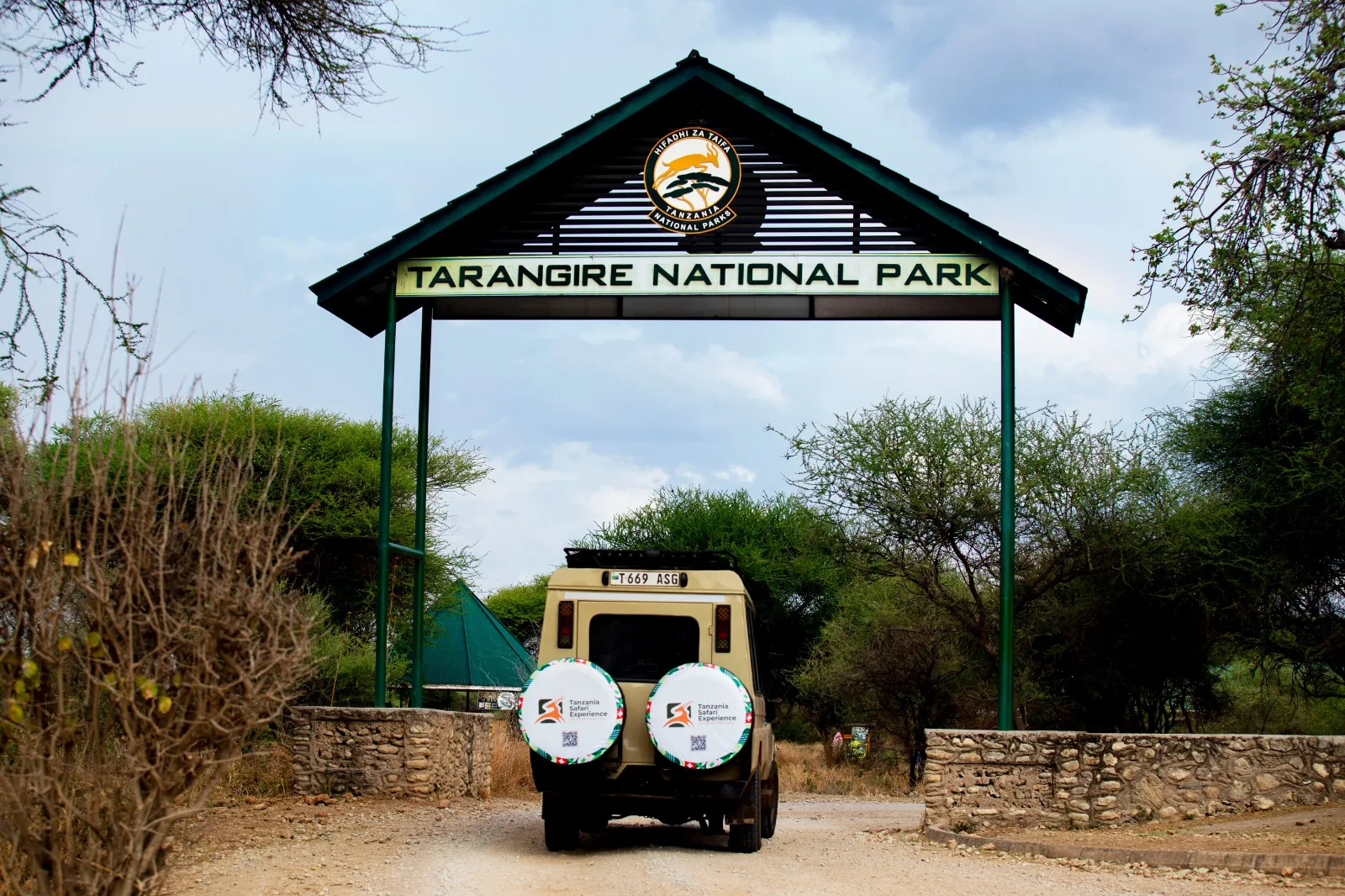
After breakfast, we drive to Tarangire. While the world’s eyes are on the Serengeti, we take you to the Silale Swamp. Here, you’ll see “The Pageant”—hundreds of elephants wading through emerald-green marshes. We then head to Karatu to overnight at Eileens Trees Inn, positioned perfectly for our early morning descent into the plains tomorrow.
About Tarangire National Park
Tarangire National Park is famous for its large elephant herds, ancient baobab trees, and the Tarangire River, which attracts huge numbers of wildlife during the dry season (June–October). It offers excellent game viewing with lions, giraffes, zebras, and more, but with fewer crowds than Serengeti, making it a quieter and more authentic safari experience.
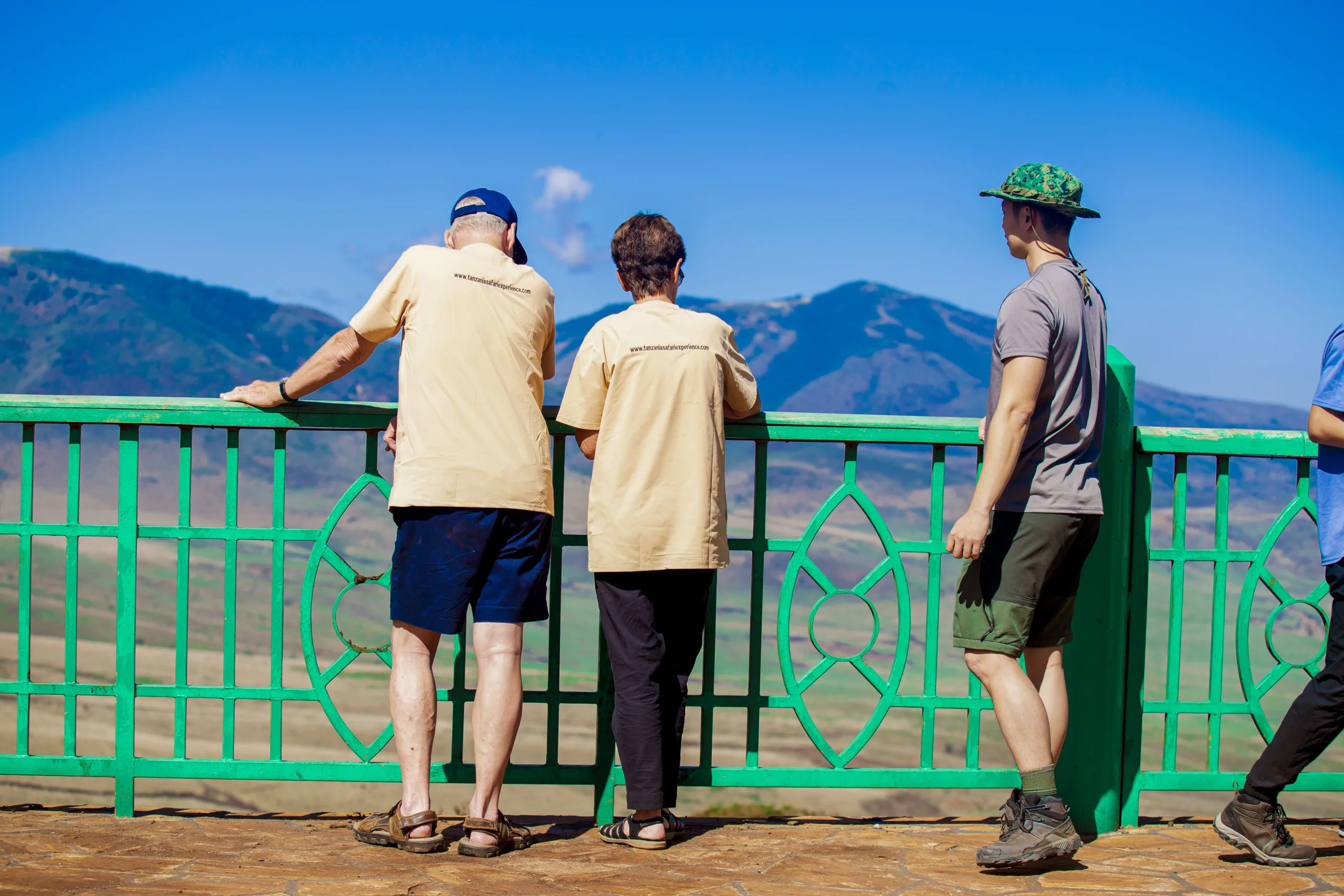
What is the significance of the drive from Karatu to the Central Serengeti? This route crosses the Ngorongoro Conservation Area, offering a panoramic view of the “8th Wonder of the World” before dropping into the short-grass plains where the migration began its cycle.
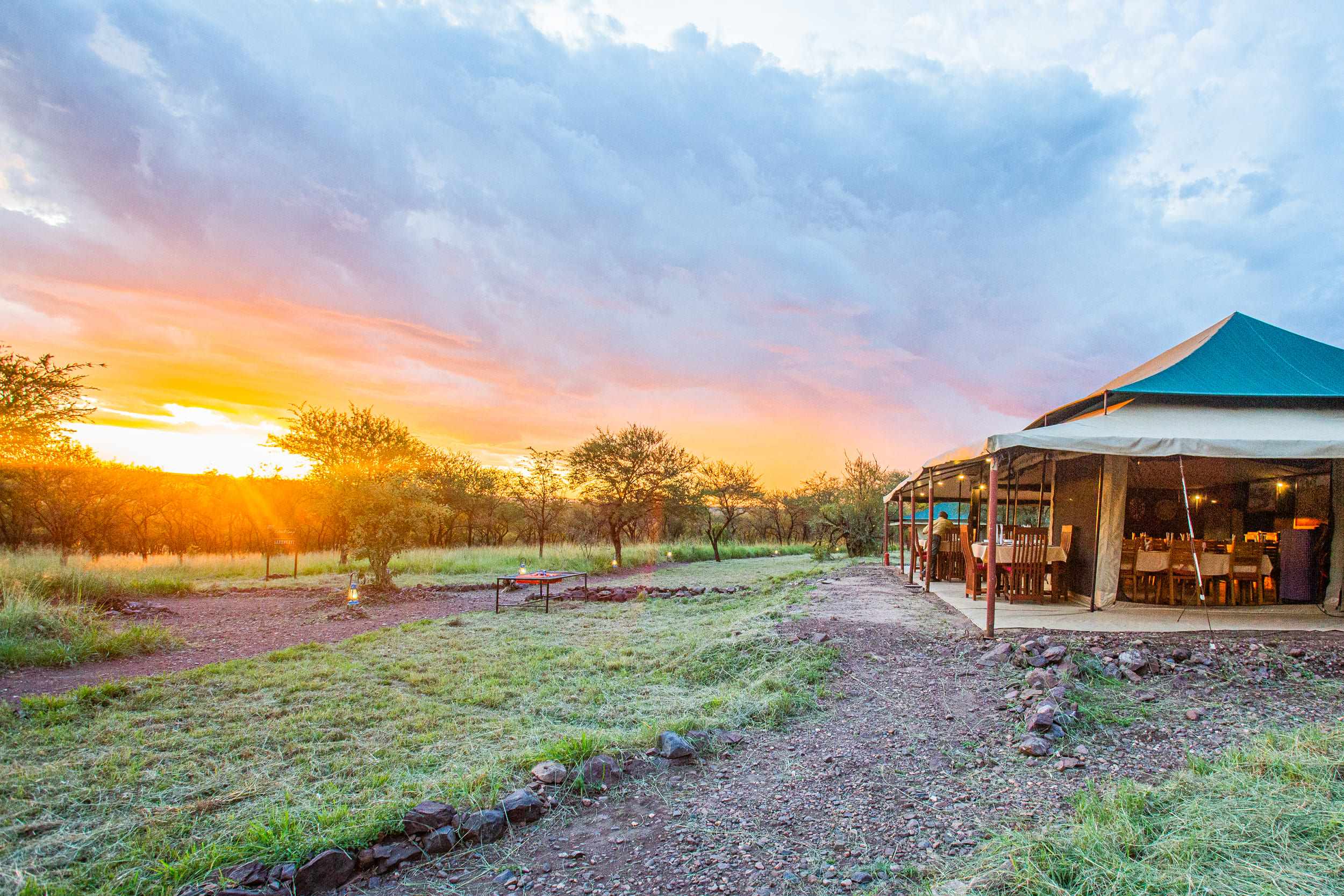
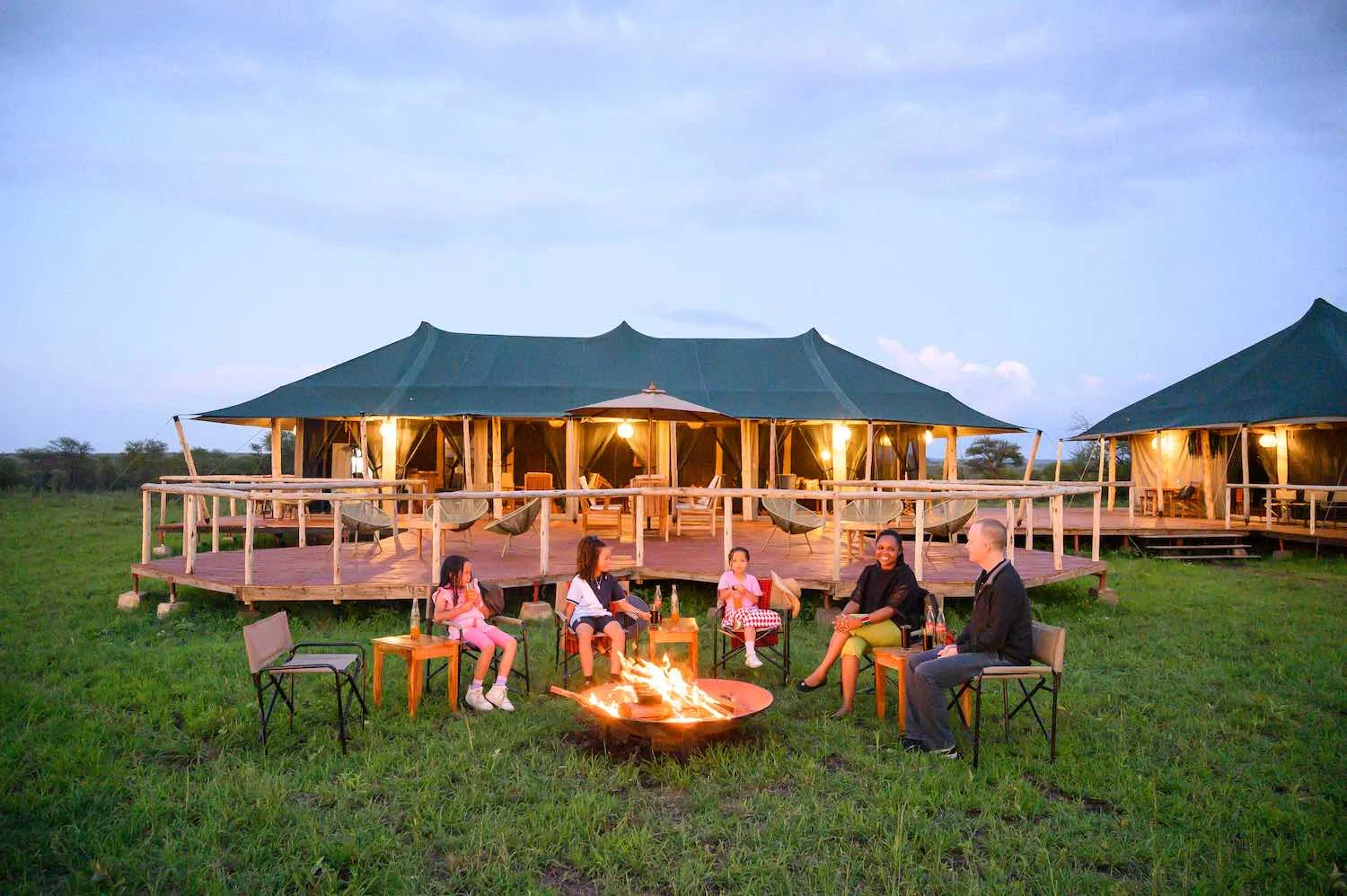
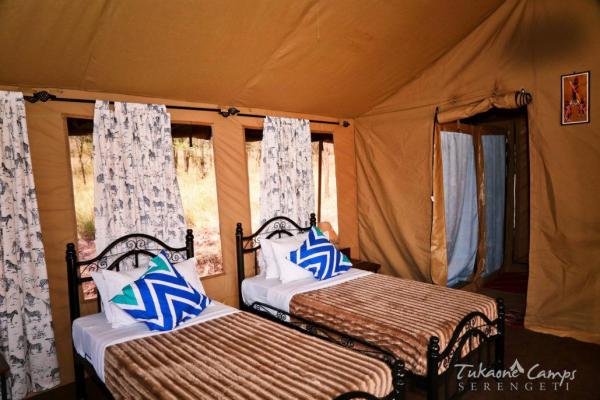
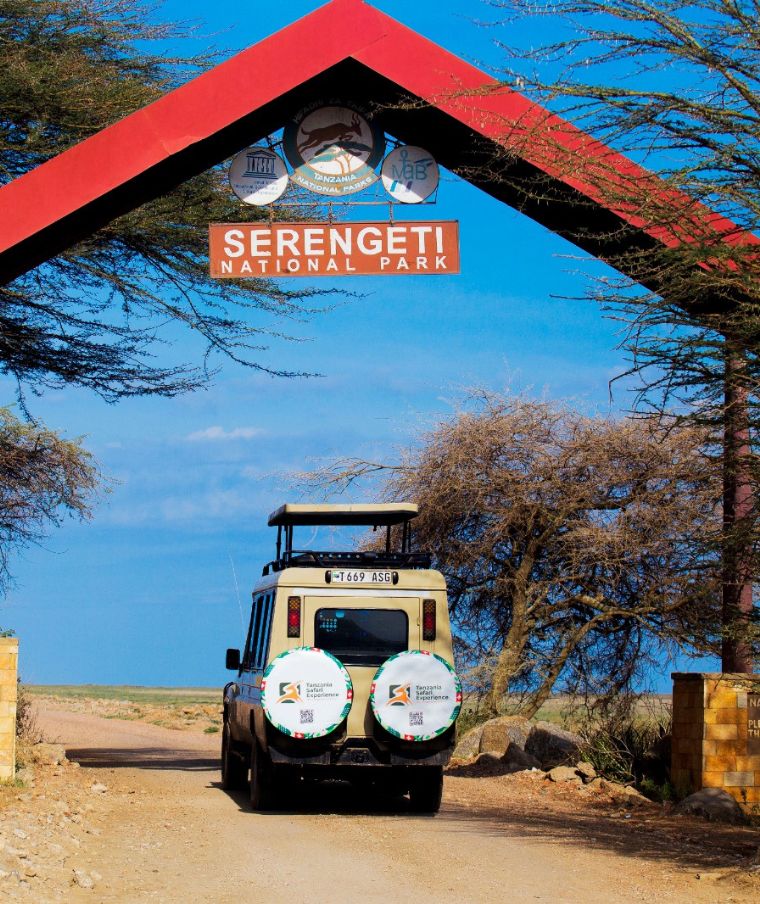
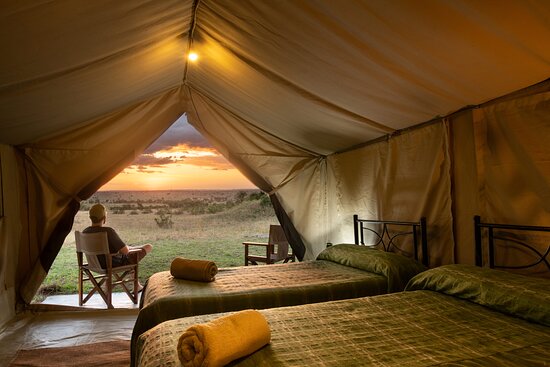
We enter the Serengeti via the Naabi Hill Gate. As the horizon flattens, the scale of the migration becomes apparent. We spend the afternoon in the Seronera Valley, staying at Tukaone Serengeti Camp. This area is the permanent home of the Serengeti’s “Big Cats,” who wait for the migratory herds to pass through their territories.
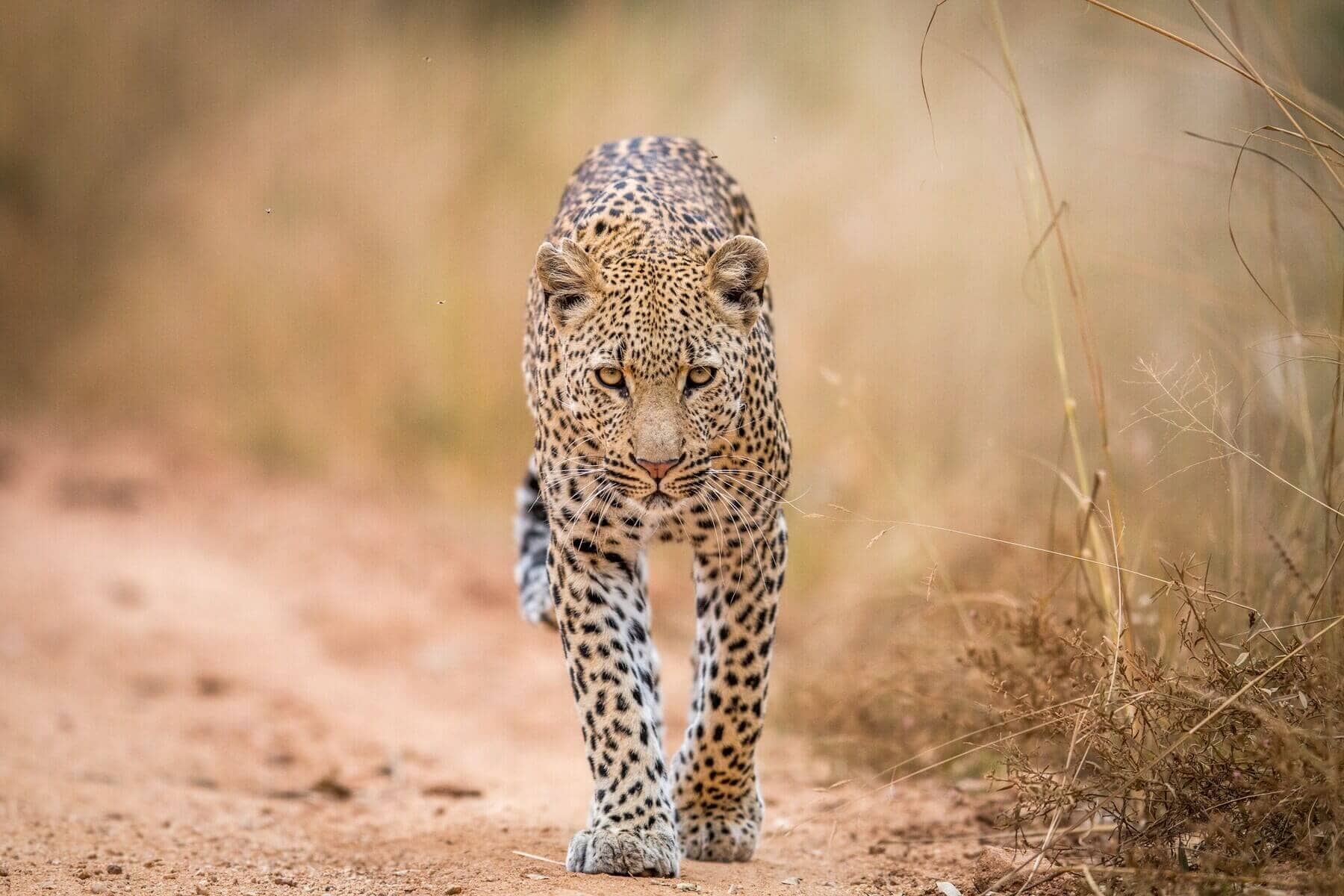
Why spend a full day in the Central Serengeti? The Central region serves as a “predator hotspot” because of its year-round water supply, making it the most reliable place in the world to witness lions and leopards hunting migratory prey.
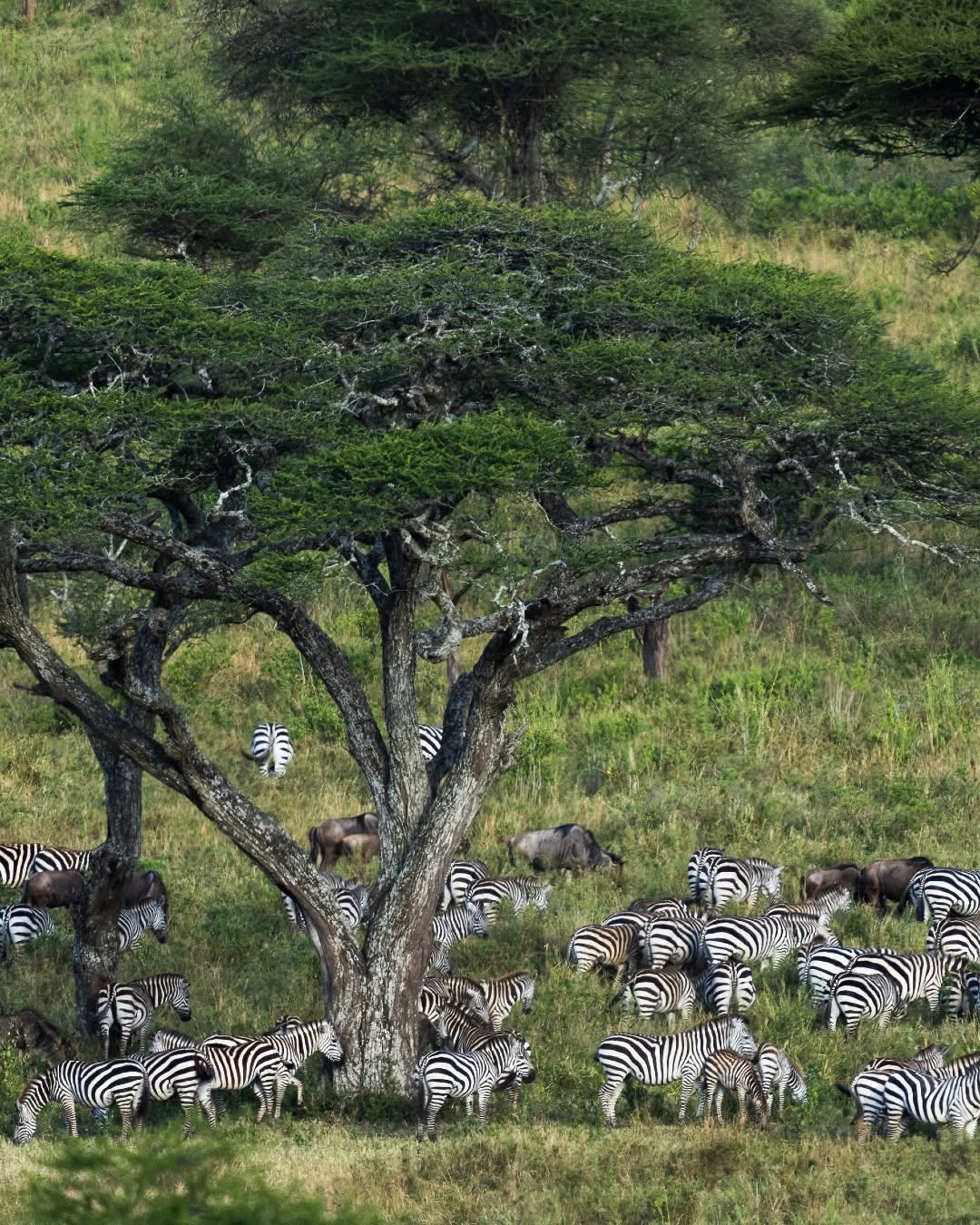
Today is about the “Information Gain” of tracking. We don’t just drive; we look for signs. Our guides at Tanzania Safari Experience watch the behavior of the “sentinels”—the zebras. If they are skittish and staring at a particular patch of tall grass, a predator is likely near. We return to Tukaone Serengeti Camp for a night under the stars, surrounded by the nightly “whoop” of hyenas.
Why move from the Central Serengeti to North Kogatende? While the Central Serengeti offers cats, the North offers the “Grand Finale”—the Mara River. Moving North is a tactical shift to witness the life-and-death struggle of the river crossings.
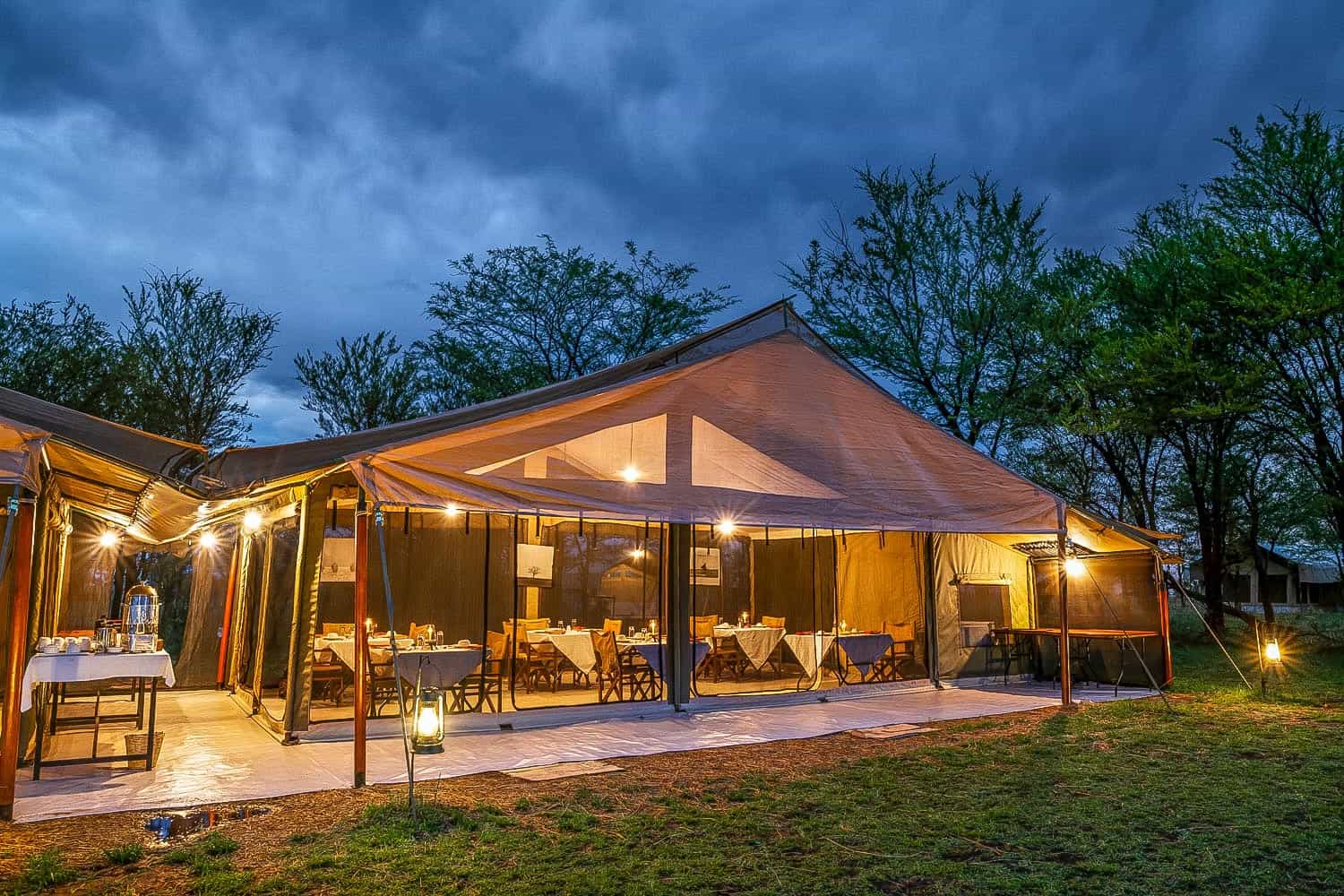
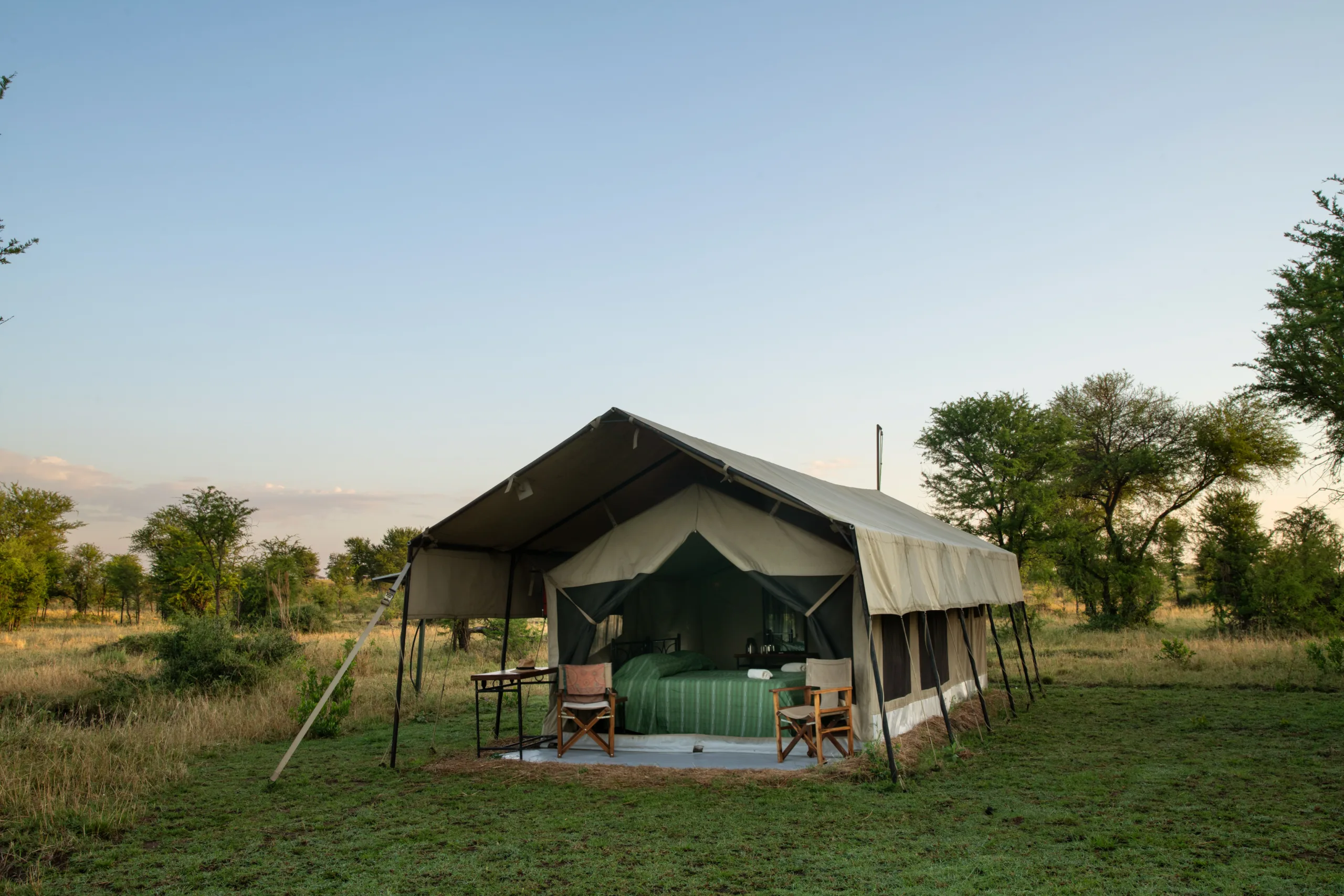
We journey North, watching the landscape transition from flat plains to rolling hills and acacia woodlands. This is a “traveling game drive.” We reach Mara Kati Kati Tented Camp by afternoon. This camp is a “mobile” camp, meaning it moves with the migration to ensure we are always as close to the herds as safety allows.
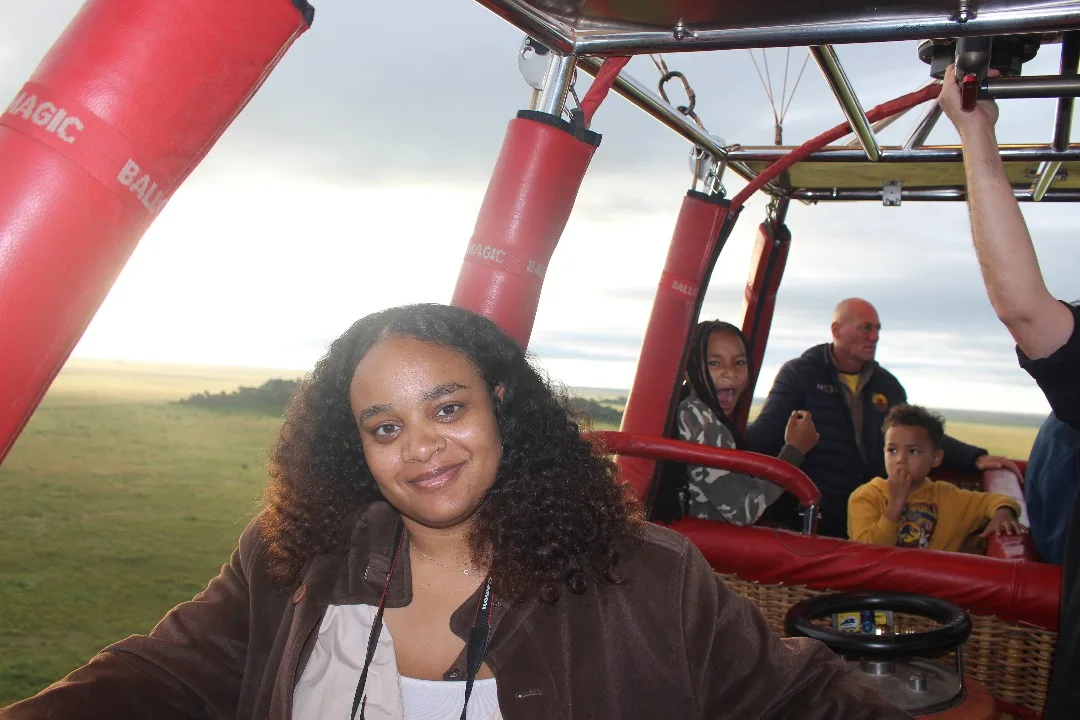
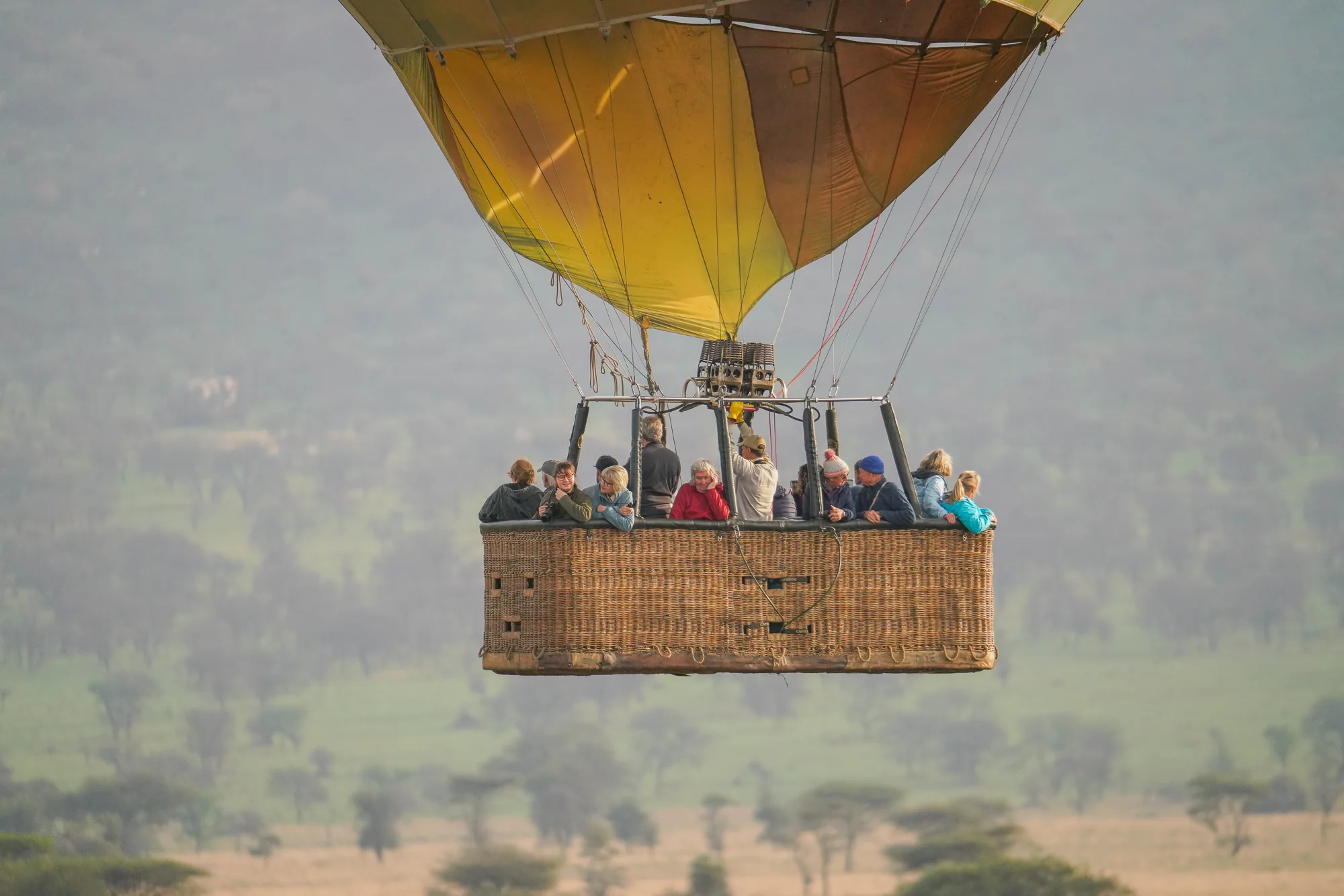
On this day, we can also discuss adding a Serengeti balloon safari to your experience, available at an additional cost of $560 per person. We recommend booking it with us before your safari to secure availability. The balloon safari takes place the following morning, giving you a unique view over the Serengeti plains at sunrise.
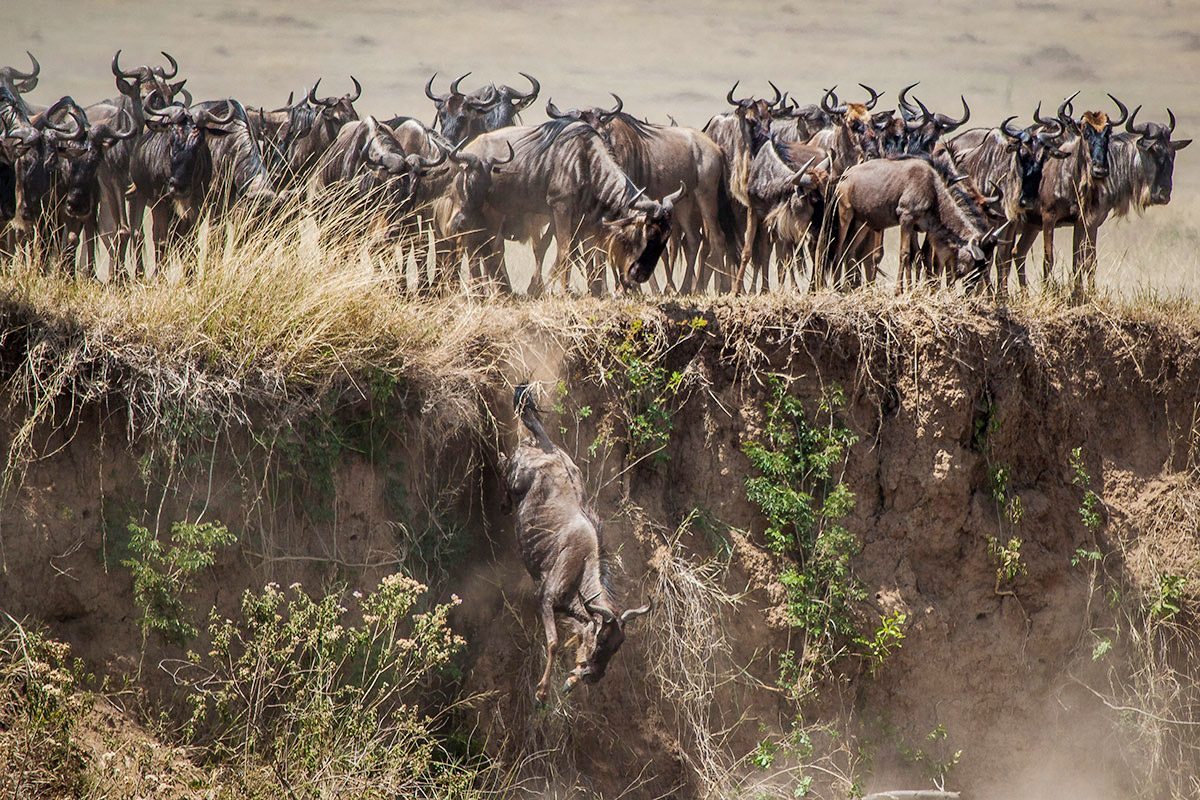
What makes the Kogatende region the ultimate migration destination? Kogatende is the site of the legendary Mara River crossings, where thousands of wildebeests brave crocodile-infested waters in a chaotic display of instinct and survival.
We dedicate two full days to the North.
The Strategy: Patience is the secret. We might wait for hours by the riverbank. We look for a “crossing point”—a place where the herds have gathered and are “testing” the water.
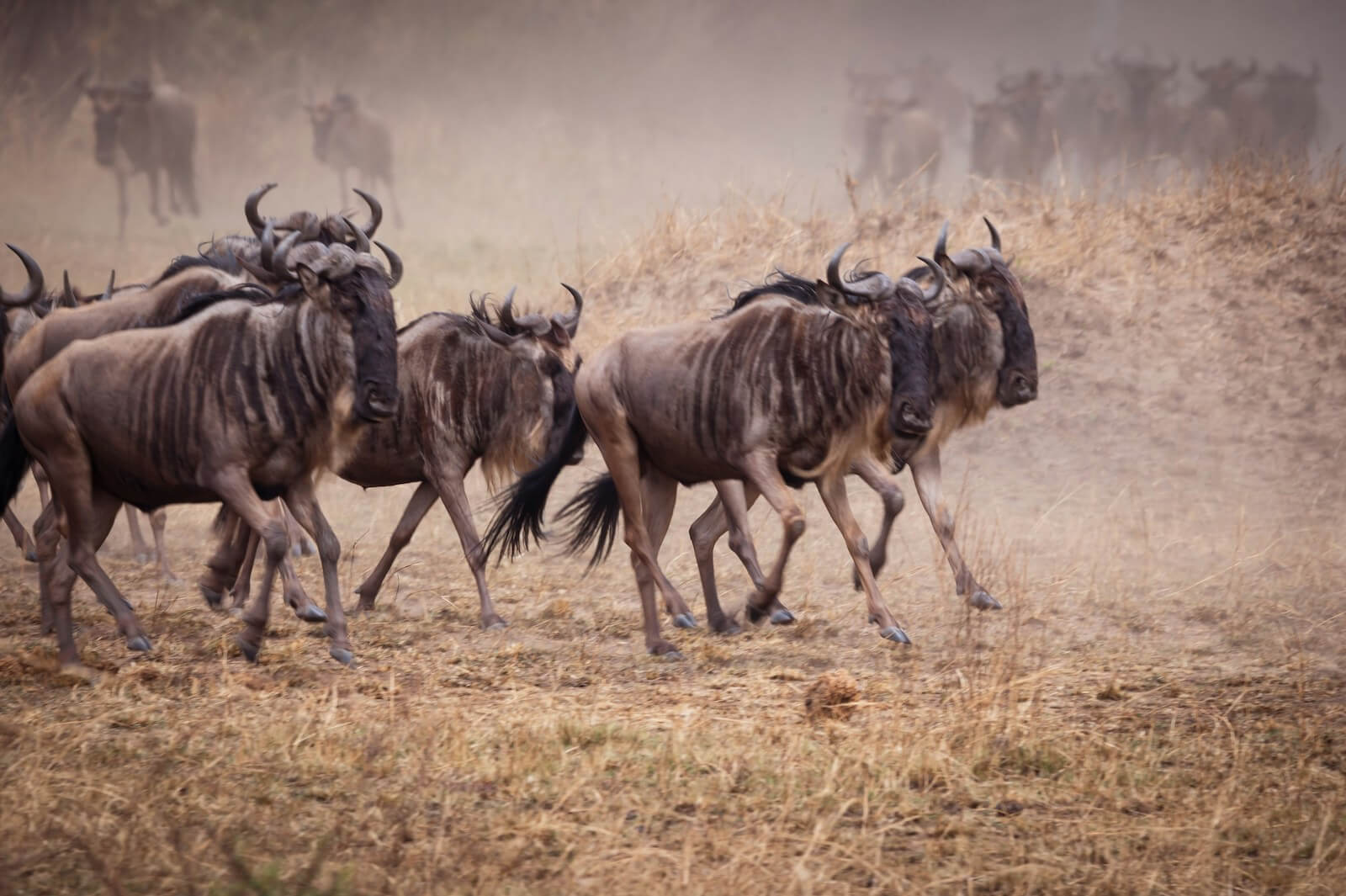
The Moment: When the first wildebeest jumps, the rest follow in a thundering cascade. It is loud, dusty, and emotionally overwhelming.
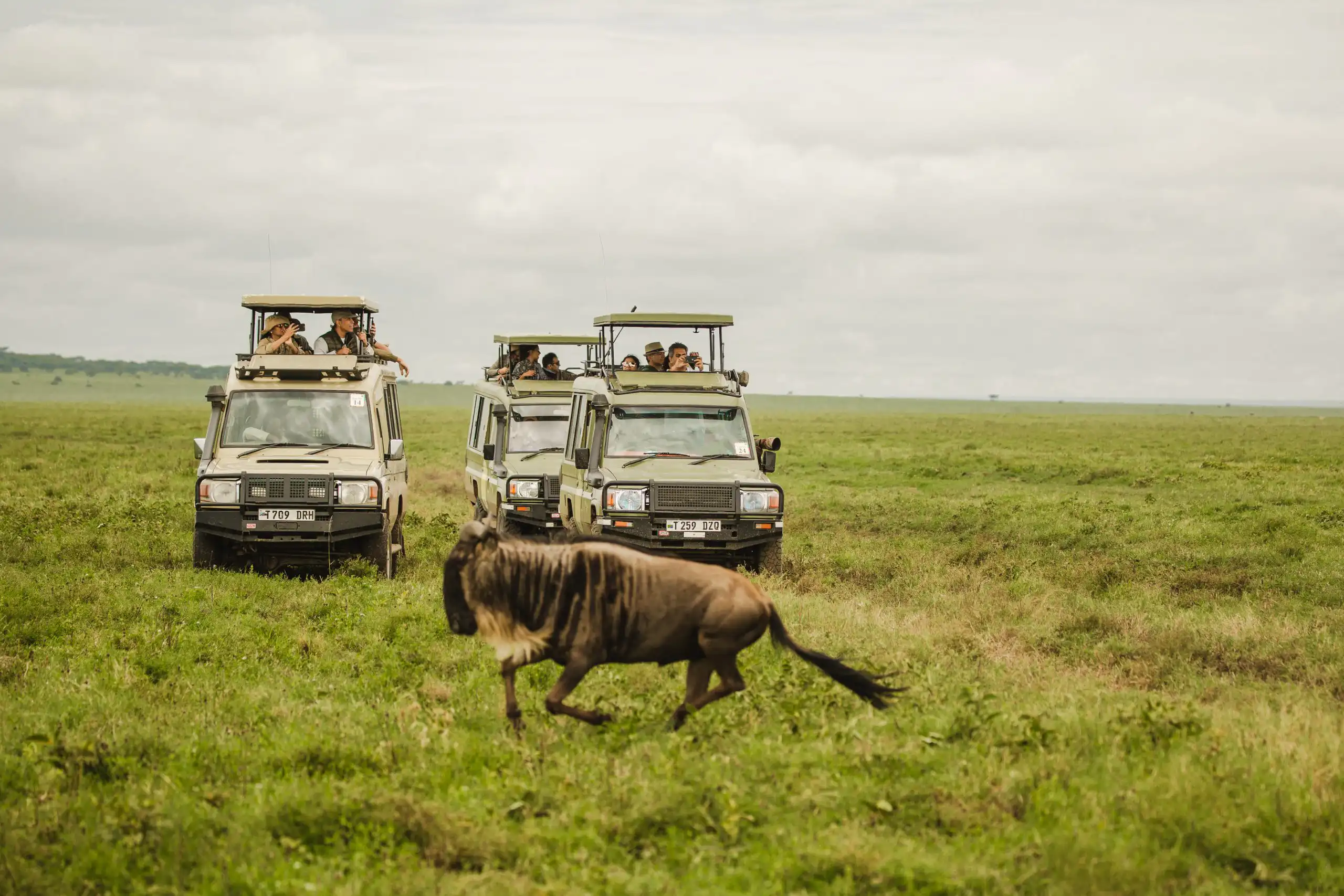
Our Edge: Because we stay at Mara Kati Kati, we can be the first on the scene at sunrise, often catching crossings before the “safari traffic” arrives from further-flung lodges.
Today begins with an early morning Serengeti balloon safari, floating over the vast plains at sunrise and following the Mara River, where you may witness wildlife gathering along the banks. After landing, enjoy a bush breakfast before continuing with a game drive, giving you a full day of unforgettable wildlife experiences.
Why fly back to Arusha instead of driving?
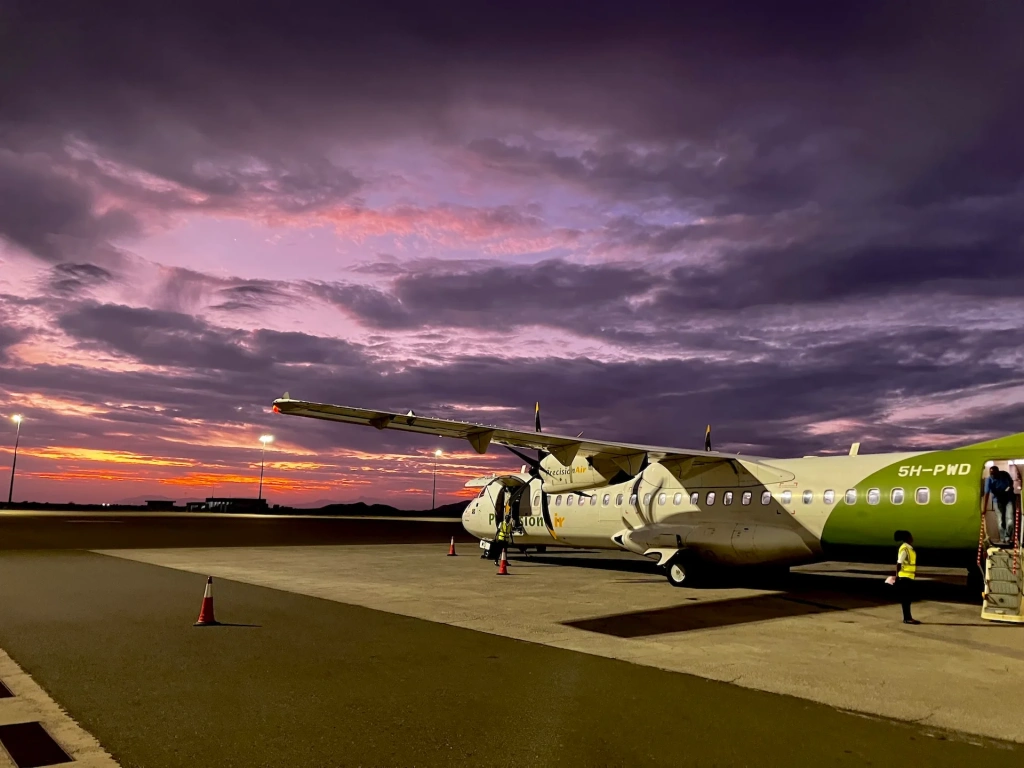
The drive from the North back to Arusha takes over 10 hours on bumpy roads. A bush flight from Kogatende Airstrip saves a day of travel and provides a magnificent aerial view of the ecosystem.
After a final breakfast in the bush, we transfer you to the airstrip. This flight is essentially your last game drive, looking down on the patterns the herds have carved into the earth. Upon landing in Arusha, we conclude with a coffee plantation tour at the Arusha Coffee Lodge—a sensory “re-entry” into the world through the aroma of freshly roasted Tanzanian beans.
| Feature | Central Serengeti (Day 3-4) | Northern Serengeti (Day 5-7) |
| Topography | Flat plains & Kopjes | Rolling hills & Riverine forest |
| Main Attraction | Big Cat density (Leopards/Lions) | Mara River Crossings |
| Wildlife Vibe | Strategic hunting & stalking | Mass movement & High drama |
| Experience | “The Predator capital” | “The Grand Finale” |
$3,942 USD per person (Based on 2 Adults sharing)
Receive a free Tanzania safari quote straight to your email within 6 hours! Customize your preferences, and we’ll craft a unique experience just for you. Prices vary based on group size and accommodation choice.
Our tours are top-notch but give you great value. The price we tell you upfront covers most of the costs for one person, like flights and all transfers.
*For the most recent reviews/testimonials from our guests, please visit our TripAdvisor page and Trustpilot.

We toured with Tanzania Safari Experience for an eight day trip to Tanzania. Five days of safari and then three days of beach vacation in Zanzibar. They were great to work with and customized everything exactly the way we wanted it. The lodges we were booked in were all incredible, particularly the Lahia Tented Lodge in the Serengeti. Our driver, Jay, seemed to know every road in every national park and as a result the wildlife viewing was unparalleled. There were times where we were the only vehicle seeing lions or hippos. The owner, Laurent, was extremely responsive and any issues we had in-country with our logistics were immediately sorted by him. He genuinely wanted us to have a first-rate experience. The only thing we were unprepared for is that some of the days in the safari vehicle were very long (10+ hours) and the roads can be really rough. But there were plenty of cold drinks in the car and it was worth it to see the wildlife. The safari/beach split was a great way to do the vacation and the beaches of Zanzibar were beautiful with clear blue water.

This company exceeded everything we’d hoped for. From the start, the tour operator had everything covered — a detailed itinerary laid out well in advance, quick responses to any questions, and a genuine attentiveness that made the whole thing feel effortless. The accommodation was seriously impressive. Not what I was expecting at all — comfortable, well-appointed, and luxurious. We also spent time right in the heart of the bush. A proper treat. The two people who really made this trip were our guide Mariki and photographer Agnes. Mariki’s knowledge of the bush and animal behaviour is something else — he always seemed to know exactly where to go, and his instincts paid off every single time. Agnes has a brilliant eye and captured shots we could never have got ourselves. As for the wildlife — we saw far more than we ever imagined we would. Elephants, lions, leopard, buffalo, giraffe, zebra, hippos — the lot. As a first safari, I couldn’t have asked for more. Would recommend without hesitation.

We had an amazing safari with Tanzania Safari Experience, and honestly the whole trip was put together really well by Laurent and his team. From our first message to the last day, they were easy to reach, quick to reply, and clear about everything. The plan made sense, the timing was smooth, and we didn’t have to stress about anything. Uncle J was a big part of what made it special. He knows the parks incredibly well and seems to notice things before anyone else. He’d position the vehicle perfectly for photos and often got us to sightings before the crowds built up. We were lucky to see [your highlights: migration / lions / cheetahs / elephants / a crossing], and every drive felt exciting and different. The vehicle was comfortable and in good shape, and everything ran on schedule. If you’re looking for a well-organized safari with a great guide, I’d definitely recommend Tanzania Safari Experience.
Yes, 5 days is the perfect duration to see the "Big Three" parks (Tarangire, Serengeti, Ngorongoro) without feeling rushed, provided you fly into Arusha to save travel time.
It is the "Long Rains" season. Expect lush green landscapes, afternoon thundershowers, and temperatures between 15°C (mornings) and 27°C (afternoons).
Yes — you can see the Wildebeest Migration in 5 days if your trip is timed correctly and focused on the right area of the Serengeti for that month, ideally with a fly-in safari to maximize time in the park; with proper planning, 2–3 full days in the right zone is enough to witness large herds and even dramatic moments like river crossings or calving.
As one of the world's wonders, it does attract visitors. We avoid the crowds by descending at "first light" (6:00 AM) to enjoy the crater floor before the midday peak.
Yes, the safari can optionally start from Zanzibar, with a domestic flight included, or from Arusha if you are already on the mainland. This flexibility makes the safari ideal for travelers combining a beach holiday with a wildlife experience. Tanzania Safari Experience will arrange all transfers and flights if needed.
Tanzania remains one of Africa’s most stable and welcoming destinations. Traveling with a reputable operator ensures you have a professional guide who handles all logistics and safety protocols
6 to 8 days for visiting the top parks including Serengeti, Ngorongoro, Tarangire. 9 to 11 days for covering the top parks with a relaxed schedule. 12+ days for once in a lifetime trip with maximum wildlife spotting potential.
By paying these tariffs, you directly finance wildlife conservation and give local communities a tangible incentive to help protect Africa's magical ecosystems. On the face of it, these fees can be what makes African safaris so expensive when you receive cost estimates.
Our Tanzania safari and adventure experts craft personalised, tailor-made itineraries — just for you.

Tanzania Safari Experience is a local Tour Operator specialist in Tanzania Safari, Kilimanjaro Trekking and Zanzibar Tours since 2013.
Travellers' Choice
★★★★★ Ranked on TripAdvisor
TALA Licensed Operator
Full Registered Company
OFFICE
Arusha, Tanzania — East Africa
PHONE & WHATSAPP
RESPONSE TIME
Within 24 hours, 7 days a week

We use essential cookies to keep the website working. With your permission, we also use limited analytics and load external content such as maps, reviews, and videos. We do not use analytics for advertising or personal profiling.
Required for website security, core functionality, and remembering your privacy choice.
Helps us measure general website usage and performance. It is not used for advertising or personal profiling.
Allows content such as maps, customer reviews, and videos to load from third party providers. These providers may receive technical information when their content is loaded.