Ready to Plan
Your Safari?
Our Tanzania safari and adventure experts craft personalised, tailor-made itineraries — just for you.

Tanzania is home to some of the most iconic wildlife destinations on Earth. With 22 national parks covering over 15% of the country’s land, this is where nature still operates at full scale—vast savannahs, dense forests, volcanic landscapes, and thriving ecosystems.
From the endless plains of the Serengeti to the dramatic Ngorongoro Crater, each park offers a distinct experience. Game viewing here is among the finest in Africa, with wildlife encounters that feel raw, real, and unforgettable.
As your safari experts at Tanzania Safari Experience, this guide breaks down everything you need to know—from park types and fees to the best destinations and how to plan your safari the right way.

Wildlife areas in Tanzania are divided into four main categories. Understanding the difference is critical because it affects what you can do, what you’ll see, and how your safari is structured.
National parks are the most protected areas in Tanzania.
These parks are home to Tanzania’s most famous wildlife destinations, including Serengeti, Tarangire, and Lake Manyara.
Game reserves are less restricted compared to national parks.
Examples include:
These are not typically used for standard safari itineraries.
Conservation areas combine wildlife protection with human presence.
The most famous example is:
👉 Ngorongoro Conservation Area
These are community-managed conservation zones.
They play an important role in conservation but are not primary safari destinations.
Tanzania has dedicated over 42,000 square kilometres to national parks alone.
This massive coverage includes:
This scale allows wildlife to move freely, creating one of the most natural safari environments in the world.
Understanding park fees is essential when planning your safari.
| National Parks | High Season | Low Season |
|---|---|---|
| Serengeti & Nyerere | $70 (Adult) / $20 (Child) | $60 / $20 |
| Tarangire, Manyara, Arusha | $50 / $15 | $45 / $15 |
| Kilimanjaro | $70 / $20 | No low season |
| Southern & Western Parks | $30 / $10 | No low season |
| Gombe | $100 / $20 | No low season |
| Mahale | $80 / $20 | No low season |
👉 Prices exclude 18% VAT
If you stay inside a national park, an additional fee applies per night.
| Park | High Season | Low Season |
|---|---|---|
| Serengeti | $60 | $50 |
| Tarangire / Manyara | $40 | — |
| Other Parks | $25–$30 | — |
To reach Serengeti via Ngorongoro:
Note: If you book a Tanzania Travel Package with us, we’ll handle all park fee payments on your behalf, ensuring a smooth experience.
In this section, we’re going to shine a spotlight on the Best National Parks in Tanzania. These protected spaces are a theatre of wildlife action and up-close sightings. We at Tanzania Safaris have conducted tons of safaris in these national parks, thus guaranteeing an experience that is tried, tested, and above all unmatched! Let’s look at them one by one so you can choose the right one for yourself.
If you ask any experienced safari guide where to go in Tanzania, they will almost always point you to the Northern Circuit first. This is not by accident. It’s where wildlife is easiest to find, roads are better, and everything is set up to give you a smooth safari experience.
This route includes:
Think of it like this: if Tanzania safari was a movie, the Northern Circuit is the main stage where everything happens.
Serengeti is not just a park. It’s the reason many people dream about Africa in the first place.
This is a huge place—about 14,763 square kilometres—so big that you can drive for hours and still feel like you’ve only seen a small part of it. It was established in 1951 and later became a UNESCO World Heritage Site because of how important it is to wildlife.
When you enter Serengeti, the first thing you notice is space. Endless open plains stretch as far as your eyes can see. In the central area, you’ll find rocky hills called kopjes, where lions love to rest. In the west, there are rivers and thicker vegetation, and in the north, the land becomes more hilly and green.
This mix of landscapes is what makes Serengeti so special—it supports an incredible number of animals.
The biggest highlight here is the Great Wildebeest Migration. Millions of wildebeest and zebras move across the park searching for fresh grass. Where they go, predators follow. That means lions, cheetahs, and hyenas are always nearby, making game viewing very exciting.
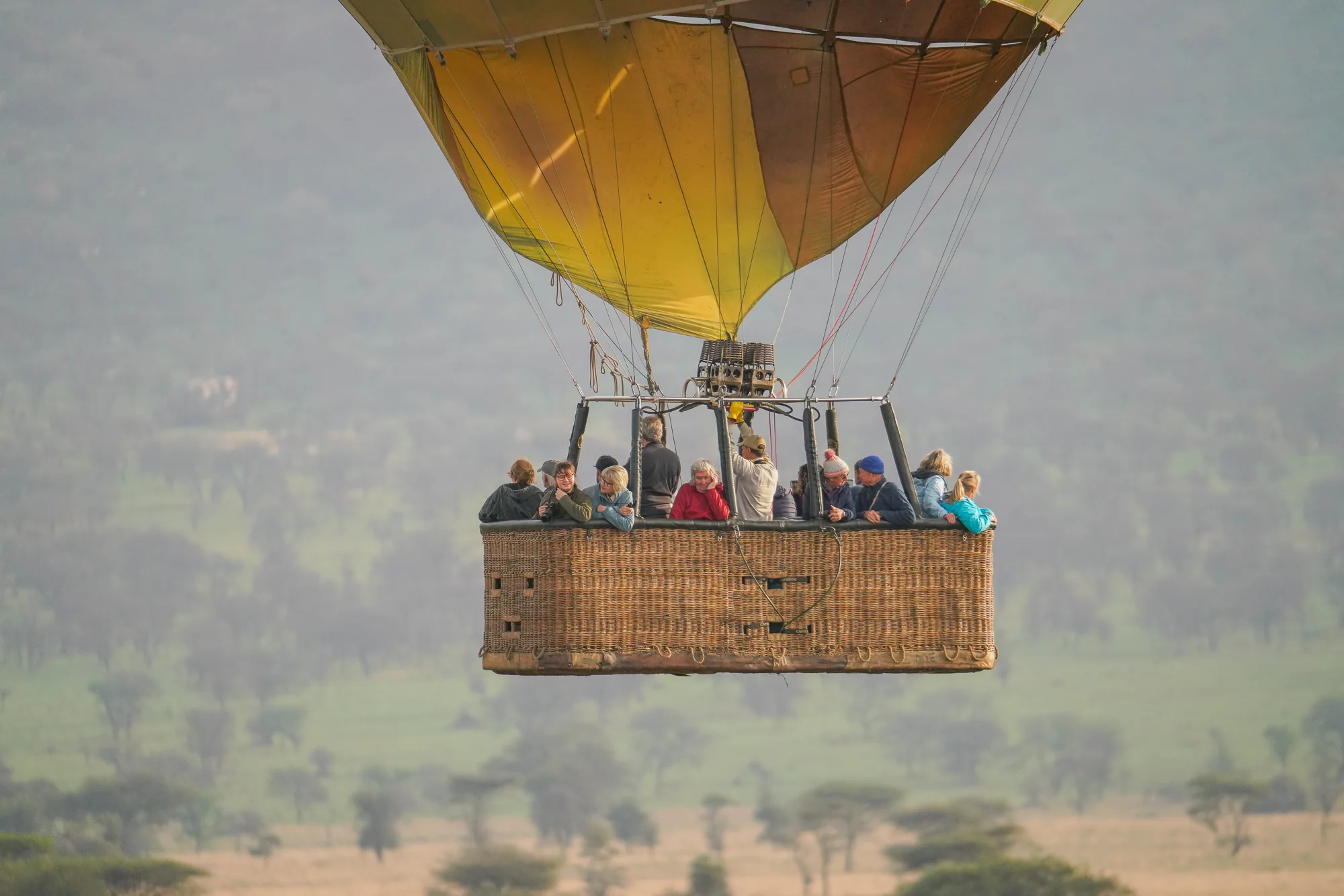
Another unique experience is the hot air balloon safari, where you float above the plains early in the morning and watch animals from the sky. It’s quiet, peaceful, and completely different from a normal game drive.
But here’s the truth: this is where you get the real safari experience.
Tarangire is often overlooked, and that’s a mistake.
This park is smaller than Serengeti, about 2,850 square kilometres, but during the dry season, it becomes one of the best places in Tanzania to see animals.
The landscape here is very different. You’ll see giant baobab trees that look like they are planted upside down. The Tarangire River runs through the park, and during the dry season, it becomes the main water source.
Because of that, animals gather here in large numbers.
Tarangire is especially famous for elephants. You don’t just see one or two—you see big families walking together, sometimes hundreds in a single day.
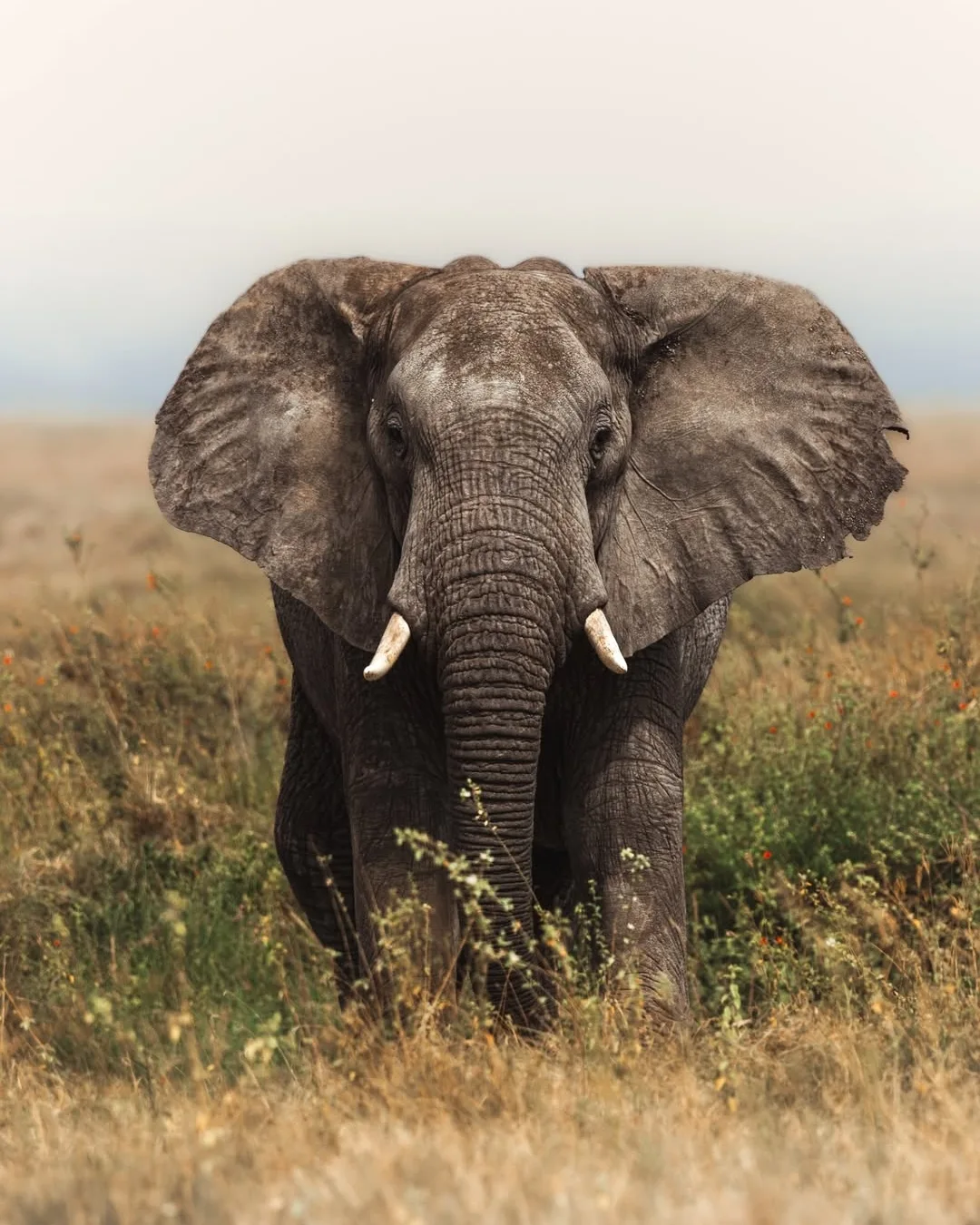
The best time to visit is from July to November, when water is scarce and animals concentrate near the river. Game viewing becomes easier and more rewarding.
It’s often used as the perfect starting point before heading to Serengeti.
Ngorongoro is one of the most unique places in the world.
At the center of this area is the Ngorongoro Crater, which was formed millions of years ago when a volcano collapsed. Today, it’s like a natural enclosure where animals live all year round.
What makes this place special is how easy it is to see animals. Because the area is enclosed, wildlife doesn’t move far. That means you have a very high chance of seeing the Big Five in just one day.
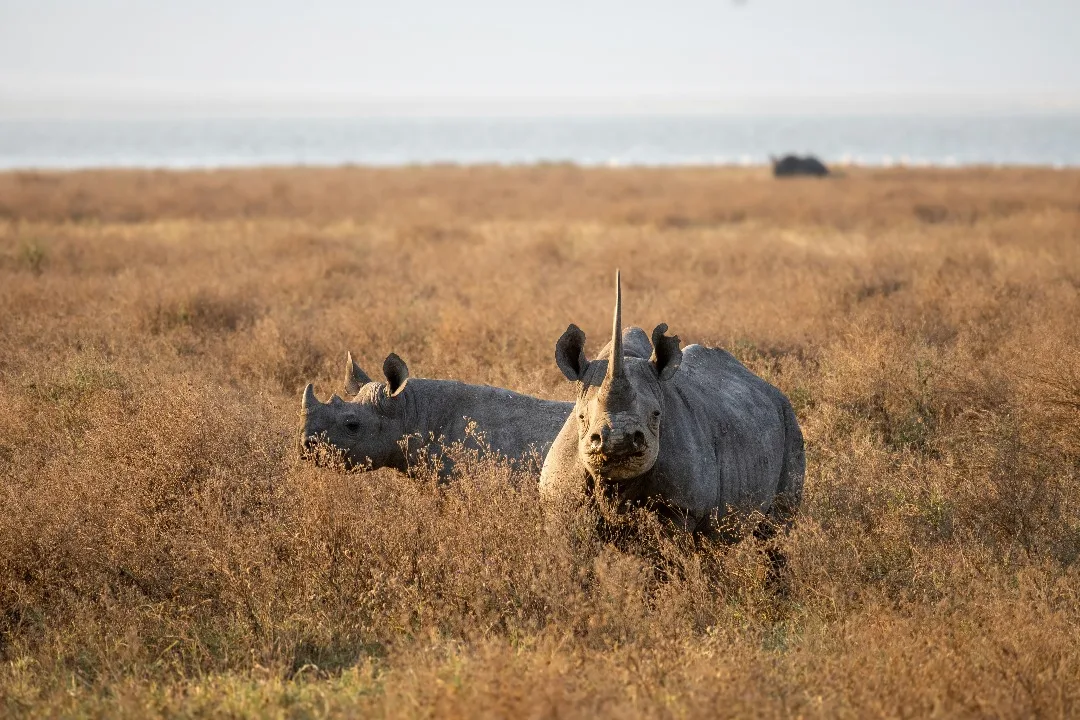
Ngorongoro is also one of the few places where you can still see the black rhino, which is very rare.
Another important part of this area is the Maasai people. They live here alongside wildlife, maintaining their traditional way of life.
You can visit Ngorongoro at any time of the year, but the dry season makes it easier to spot animals.
Lake Manyara is smaller compared to the other parks, but it offers something different.
It’s located between Tarangire and Ngorongoro, making it an easy stop along the safari route.
The park is known for its diverse environments. In a short drive, you move from forest to open plains to the lake itself.
One of the most famous attractions here is the tree-climbing lions, which is not something you see everywhere.
The lake also attracts thousands of flamingos and other birds, making it a great place for birdwatching.
Arusha National Park is often used as a starting or ending point for a safari.
It’s small—only 137 square kilometres—but it offers activities you won’t find in most parks.
Here, you can:
It’s not the best place for big predators, but it’s perfect if you want something calm and different.
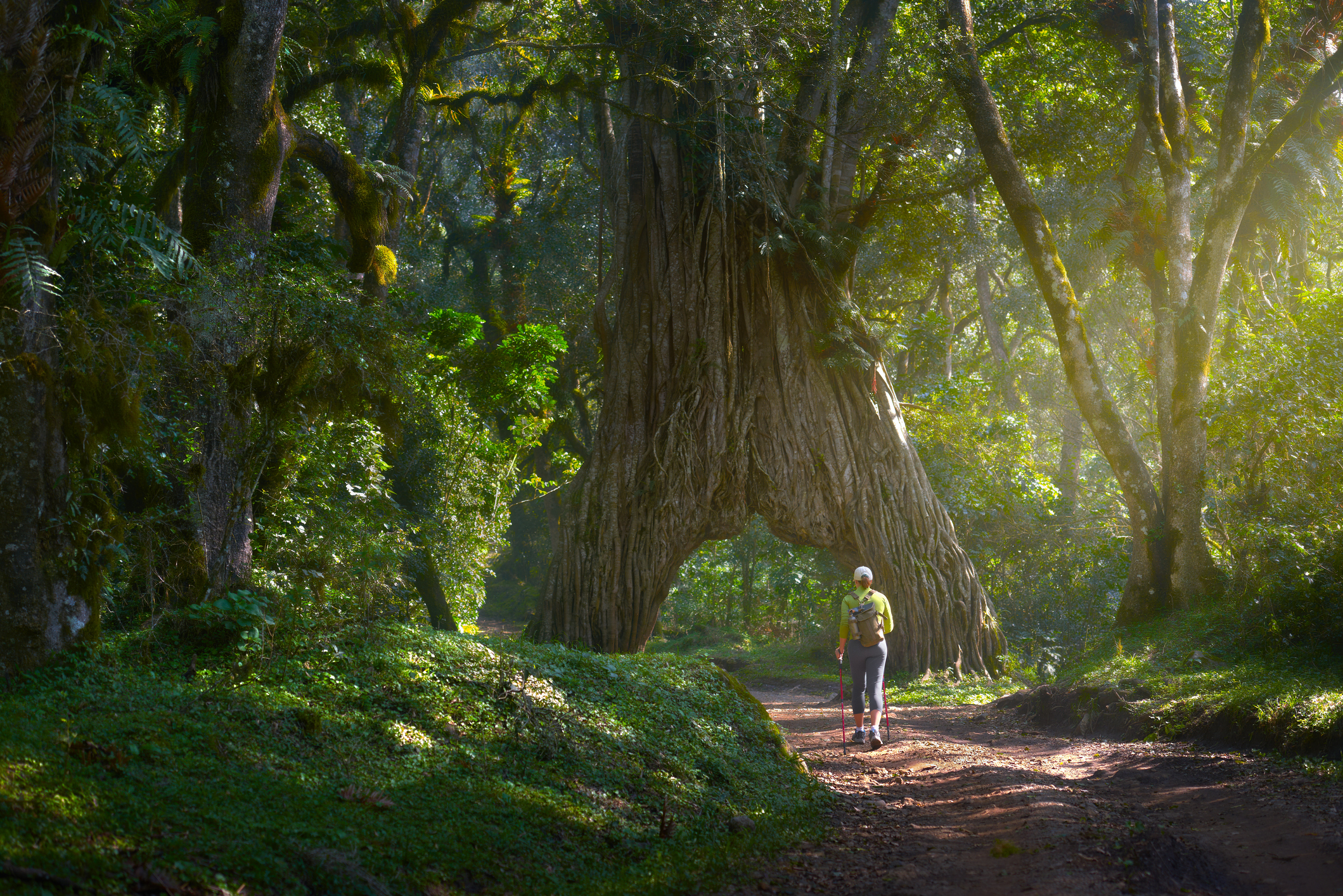
Beyond the Northern Circuit, Tanzania has a second side that many travellers don’t see. These parks are more remote, less crowded, and feel much wilder. You won’t find many vehicles here, and sometimes it feels like you have the whole park to yourself.
But there’s a trade-off.
These parks require more time, better planning, and often a bigger budget because of flights or long travel distances. If you do them right, the experience can be even more special than the Northern Circuit.
Mahale is one of the most unique safari destinations in Africa. It sits on the shores of Lake Tanganyika, one of the deepest lakes in the world, and is surrounded by thick green mountains.
There are no roads inside this park.
To explore Mahale, you walk through the forest with a guide, tracking wild chimpanzees. This is not like watching animals from a car. You hike, listen, and follow clues until you find them.
When you finally see chimpanzees moving through the trees, playing, or grooming each other, it feels very personal—almost like watching humans in the wild.
Getting here is not easy. You usually need a small aircraft and then a boat transfer. That’s why it’s quiet and uncrowded.
👉 This park is best for travellers who want something rare and are willing to go far for it.
Gombe is a small park, but it’s very famous. This is where Jane Goodall started her chimpanzee research in the 1960s.
Like Mahale, Gombe is all about chimpanzees. The difference is that Gombe is smaller and more compact, which can make sightings a bit quicker.
The park sits right next to Lake Tanganyika, with steep forested hills rising behind it. You move on foot, walking through the forest trails with a guide.
Because of its history, Gombe is not just a safari destination—it’s a place that changed how humans understand animals.
👉 This is perfect if you want a mix of wildlife and history in one experience.
Nyerere National Park is massive—the largest national park in Africa. It used to be part of the famous Selous Game Reserve.
This park feels very different from Serengeti.
Instead of open plains, you have:
One of the biggest highlights here is the boat safari on the Rufiji River. Instead of watching animals from a vehicle, you sit in a boat and see elephants drinking, hippos in the water, and crocodiles along the riverbanks.
It’s a completely different perspective.
Nyerere is also known for:
👉 If you want a quieter, more natural safari without crowds, this is one of the best choices.
Ruaha is often described as one of Tanzania’s best-kept secrets.
It’s the second-largest national park in Tanzania, but very few people visit it compared to Serengeti. That means fewer vehicles and a more authentic experience.
The landscape here is rugged and dramatic, with:

Ruaha is especially famous for predators. You can see:
Because it’s less crowded, animal behaviour here feels more natural. You’re not competing with 20 vehicles at a sighting.
👉 This park is ideal if you want a serious wildlife experience without the noise of busy tourism.
Mikumi is one of the easiest parks to reach in Tanzania, especially from Dar es Salaam. You can drive there in a few hours, which makes it perfect for short trips.
The landscape looks similar to Serengeti, with open plains where animals are easy to spot.
You can expect to see:
Because it’s accessible and straightforward, Mikumi is often chosen by travellers who don’t have enough time for a longer safari.
👉 It may not be as dramatic as Serengeti, but it gives a solid safari experience in a short time.
When you visit national parks, there are rules to protect both you and the animals.
These rules help keep the environment natural and safe.
Planning a safari is not just about choosing parks—it’s about choosing the right combination.
Many travellers make mistakes like:
As your safari experts at Tanzania Safari Experience, we recommend: