Ready to Plan
Your Safari?
Our Tanzania safari and adventure experts craft personalised, tailor-made itineraries — just for you.
A safari doesn’t need a week to be unforgettable. With the right strategy, three days can deliver raw, high-impact wildlife experiences—and that’s exactly how we design it at Tanzania Safari Experience.
Most travelers underestimate what a short safari can do. They think it’s rushed. It’s not—if you eliminate the wasted time on the road. This itinerary is built around one ruthless principle: maximum wildlife, minimum transit.
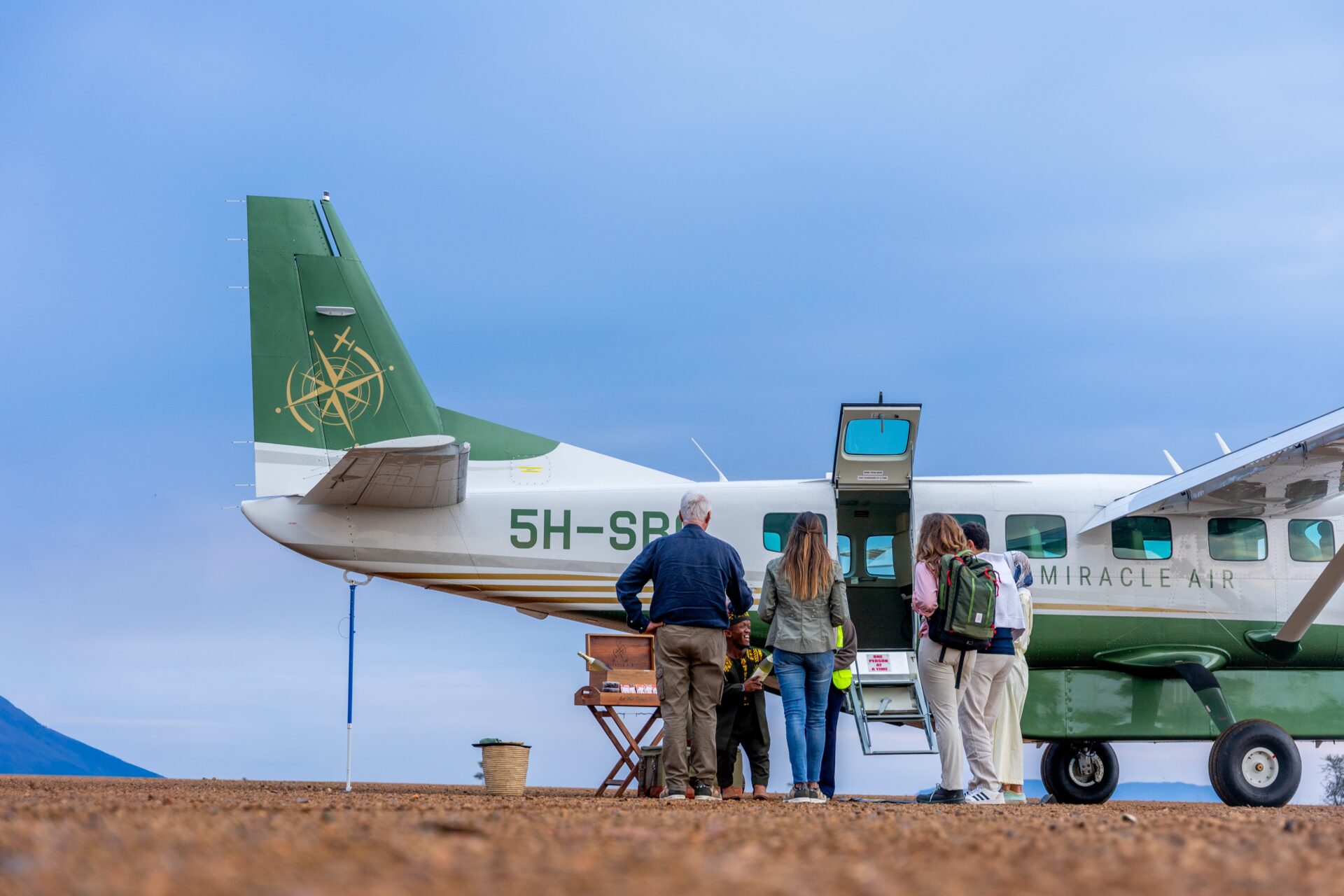
A direct flight from Zanzibar to Serengeti eliminates 10+ hours of driving, giving you up to 30% more time for game viewing—turning a short trip into a high-density wildlife experience.
Let’s challenge a common assumption:
People think “more days = better safari.” That’s lazy thinking.
What actually matters is:
A 3-day fly-in safari beats a 5-day road safari if the latter wastes time in transit.
Our approach: You land directly inside the Serengeti, not outside it.
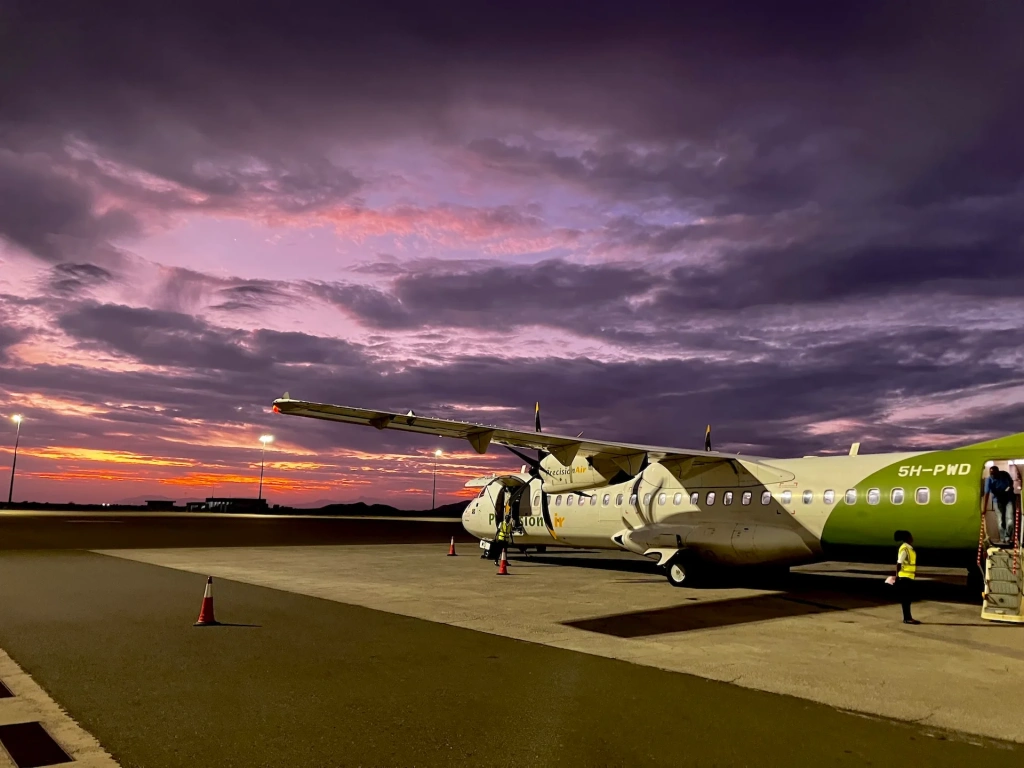
You fly directly into the Serengeti, meet your guide at the airstrip, and begin your first game drive immediately—no delays, no wasted time, just instant immersion into wildlife.
This is where most itineraries fail—and we fix it.
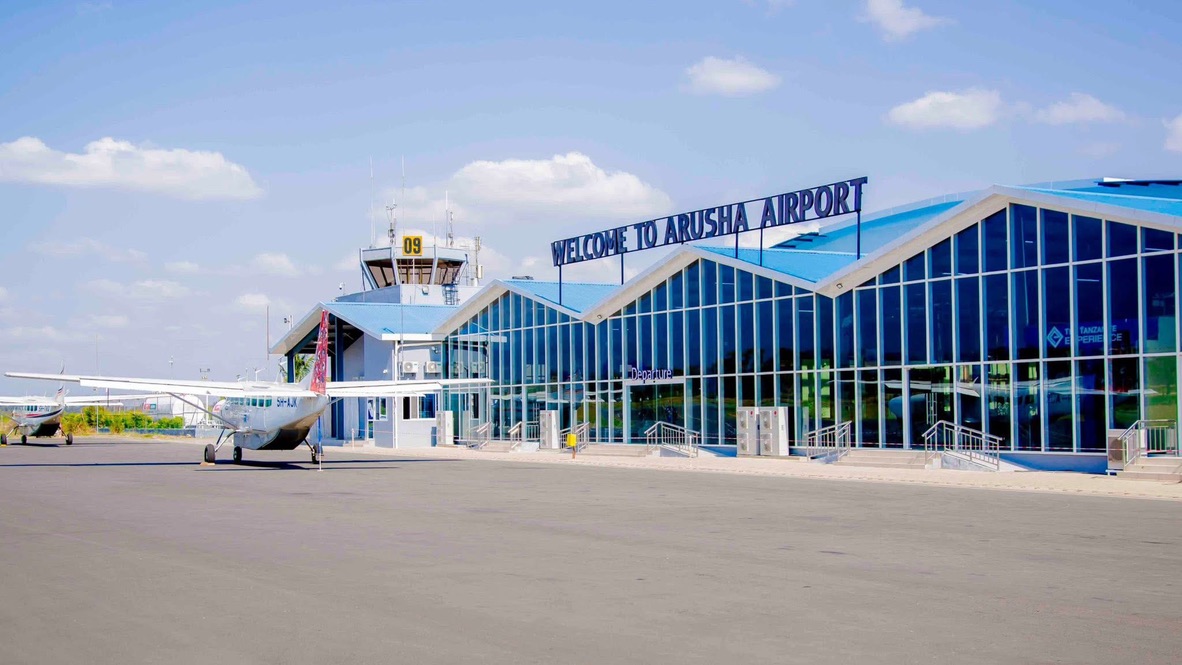
Instead of burning a full day driving from Arusha, you:
The moment you land, the safari begins.
No hotel transfers. No waiting.
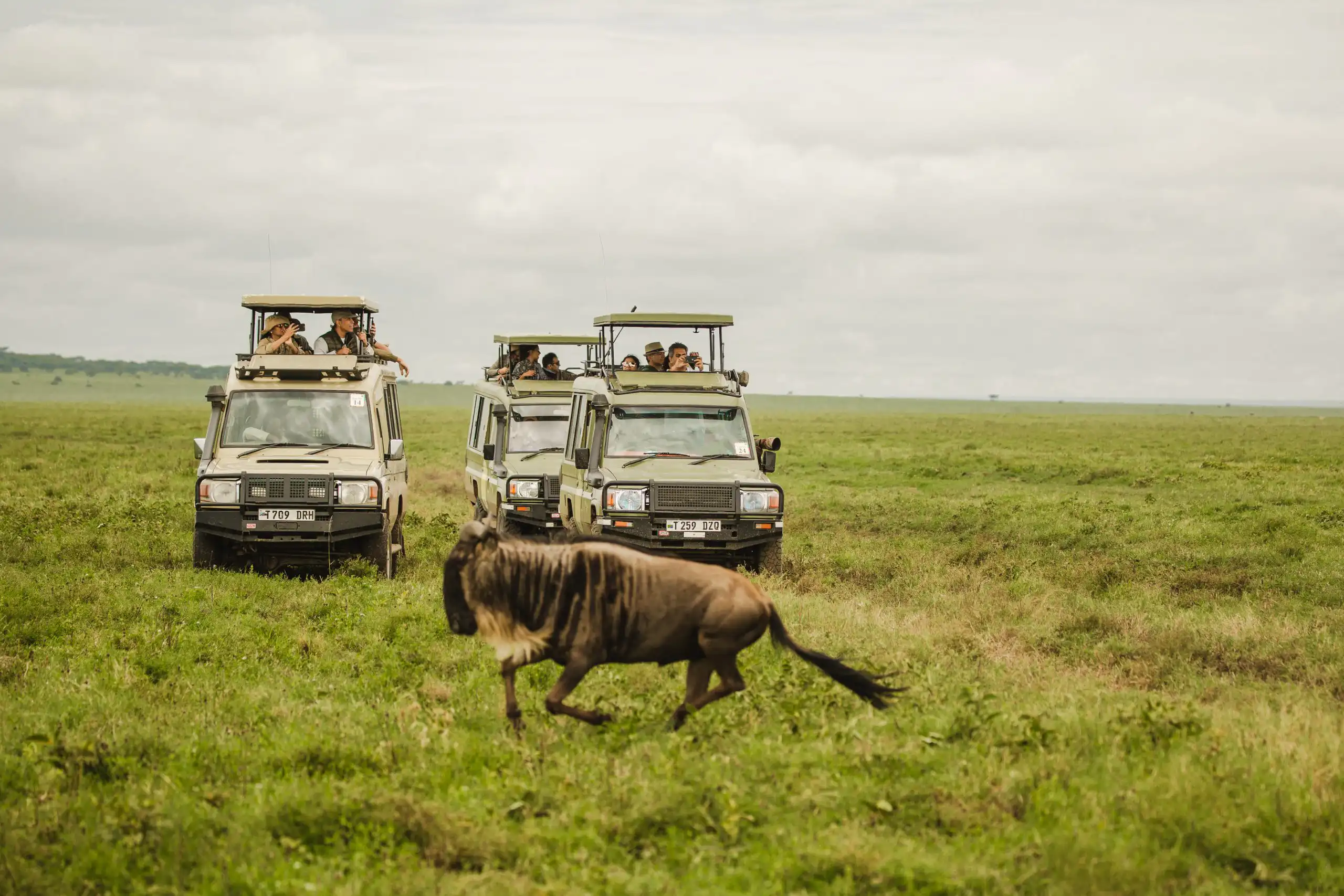
Your guide from Tanzania Safari Experience is already there, ready with a fully equipped Land Cruiser.
You don’t “check in” first. That’s amateur planning.
You go straight into the wild:
By the time you reach camp, you’ve already had a half-day safari.
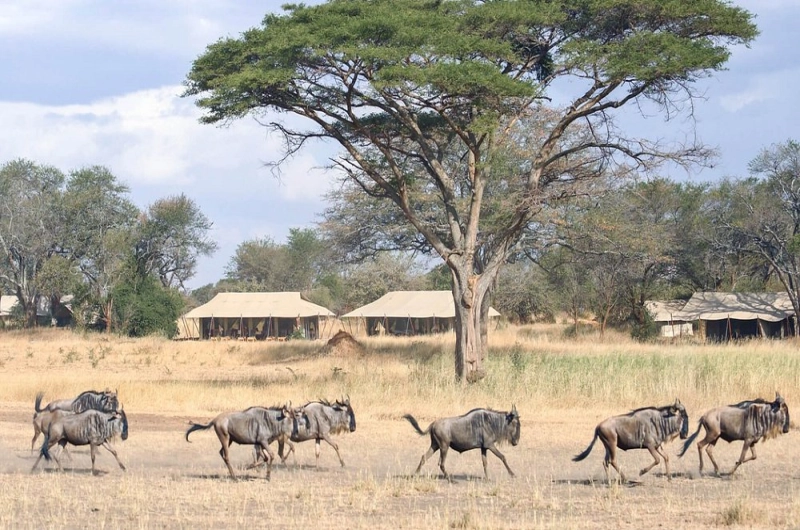
Nyikani Camps places you in the heart of predator territory, allowing faster access to wildlife and reducing drive times during game viewing.
This is not a random camp choice. It’s strategic.
Why Central Serengeti (Seronera)?
What to expect:
💡 Pro Tip (from our team):
Ask your guide to plan a late afternoon game drive route toward water sources—predators tend to move as temperatures drop.
You wake up early. Around 6:00–6:30 AM.
It’s cold—colder than most people expect in Africa. A light jacket helps.
You grab a quick coffee or tea, and then head out while the sun is just starting to rise.
This is the best time of the day.
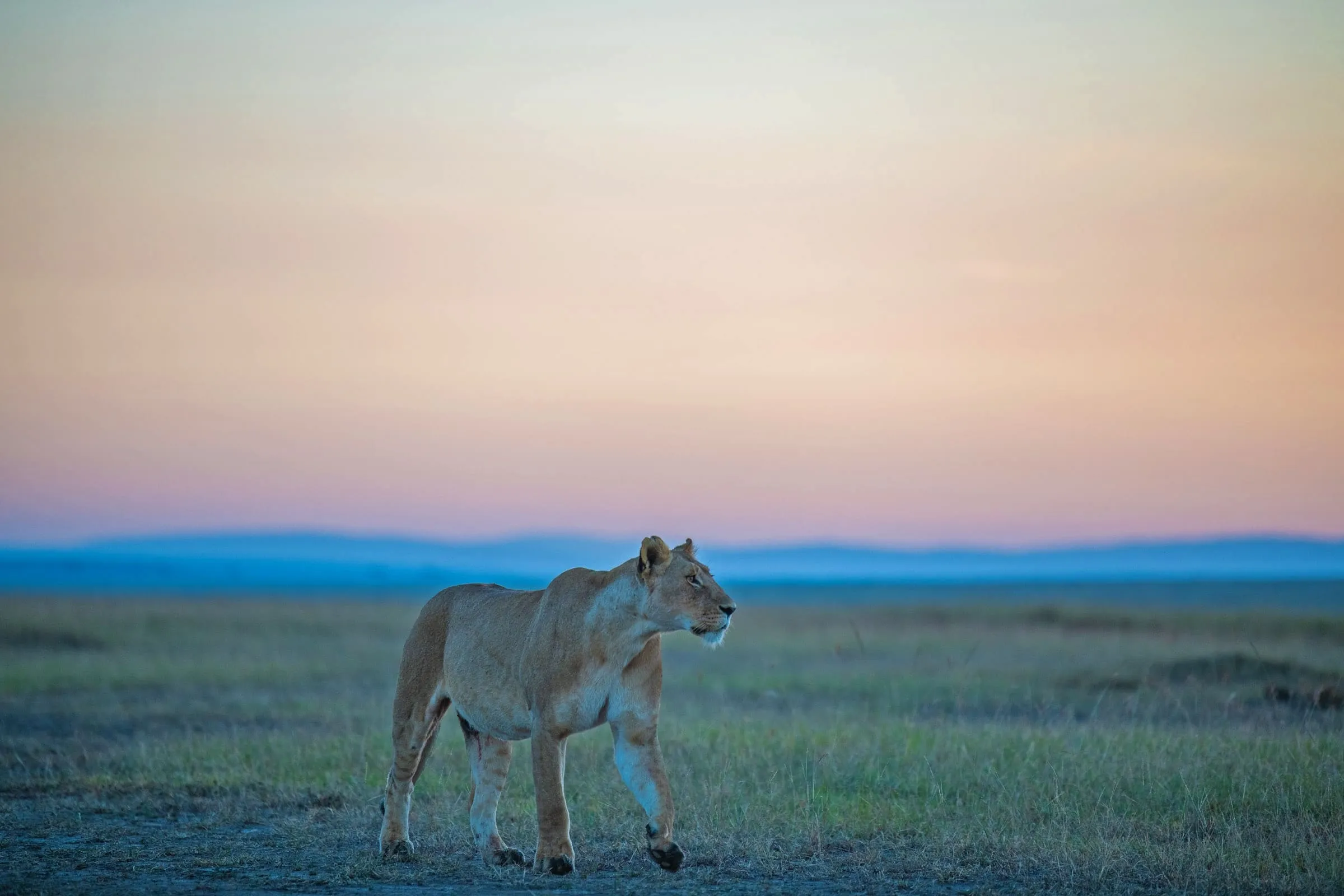
Predators are still active. The light is soft. Everything feels alive.
As you drive out:
There’s no guarantee in safari—but this is when your chances are highest.
Your guide doesn’t follow a fixed route. We adjust based on:
This is where experience matters.
By late morning, things slow down.
Animals rest. The sun gets stronger.
You have two options:
Most guests choose the picnic at least once. Sitting out there, surrounded by nothing but open land—it’s a different feeling.
Later in the day, the energy builds again.
This is when:
And if you’re lucky, you might witness a hunt.
Not something staged. Not something guaranteed.
But when it happens—you don’t forget it.
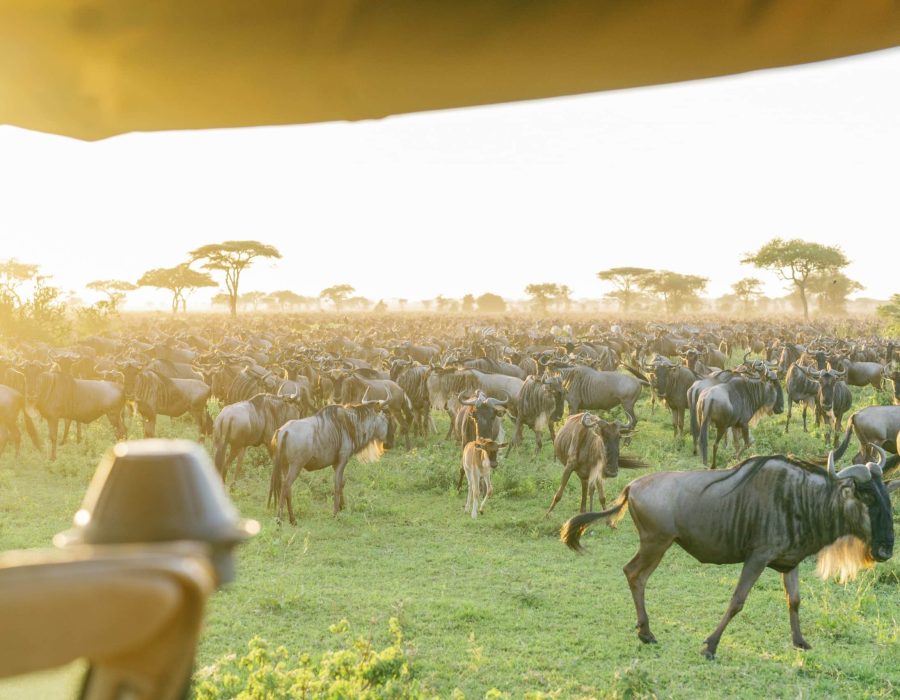
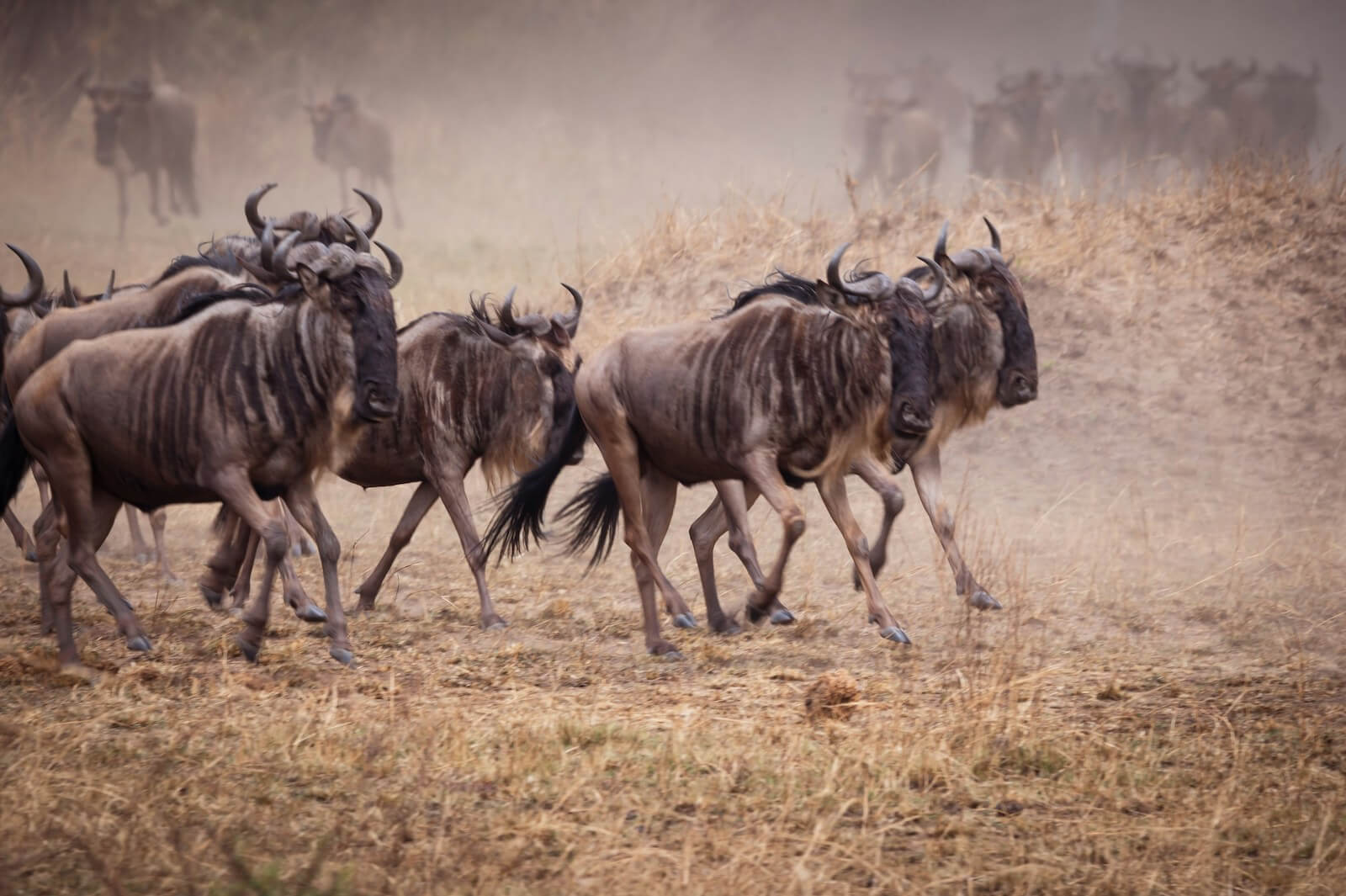
A lot of people ask about the migration.
Here’s the truth:
Yes, it’s incredible. But it moves.
If you come expecting a specific scene—like river crossings—you might be disappointed if timing doesn’t match.
What we focus on instead is overall wildlife experience.
And Serengeti never disappoints on that.
You return to camp before sunset.
Hot shower. Good food. Fire outside.
It’s simple—but it feels right after a full day out there.
The final morning is dedicated to a “short and sharp” game drive to catch any missed sightings before a mid-day flight back to the beaches of Zanzibar.
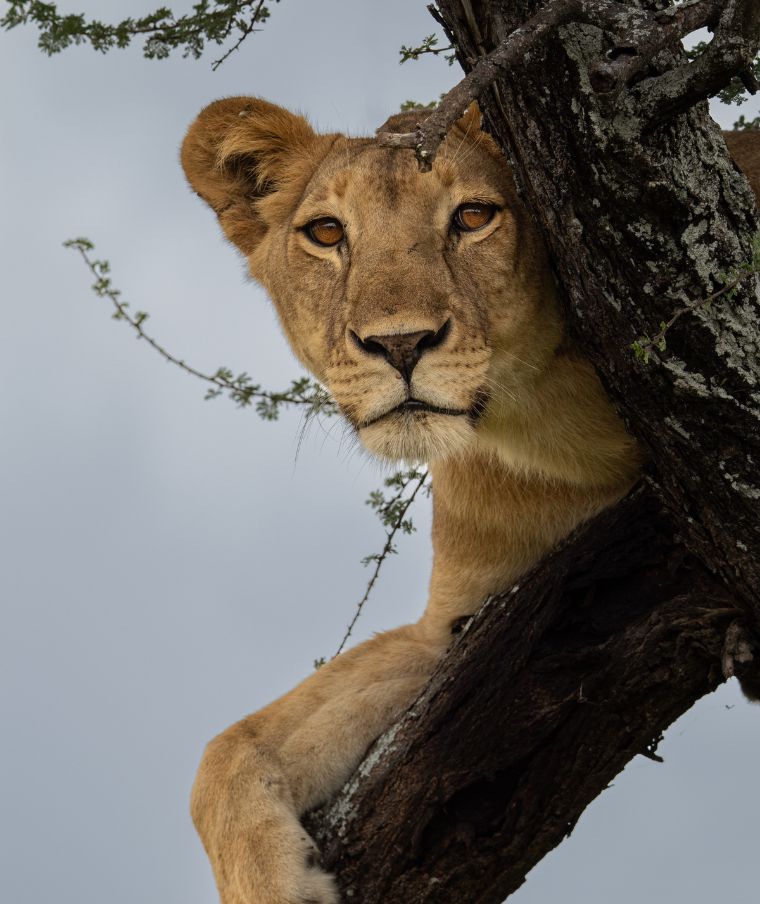
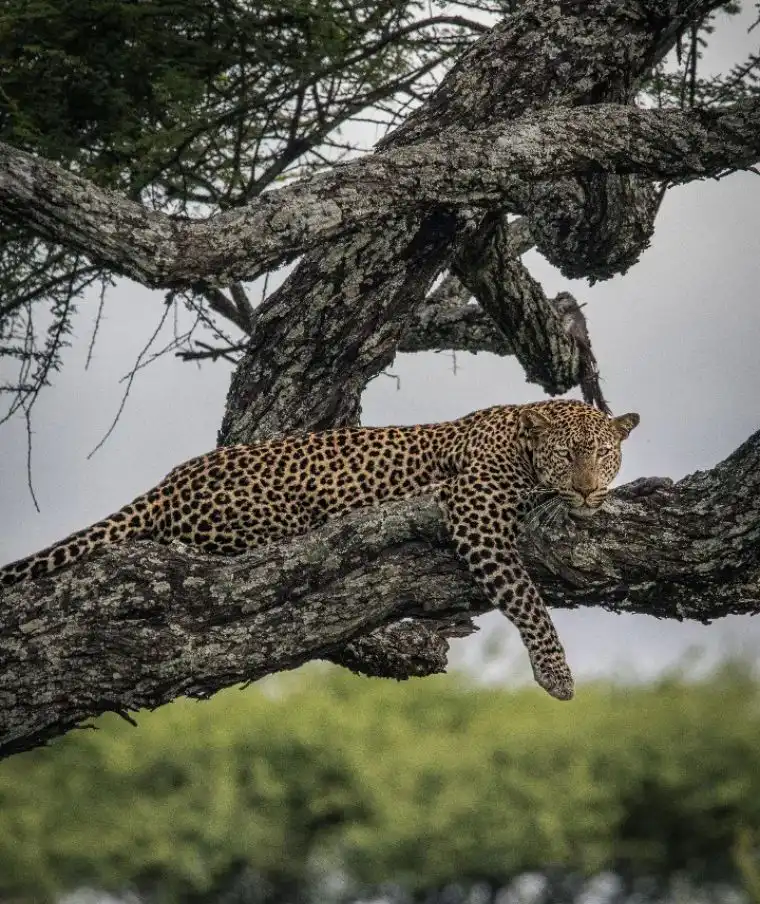
On your final morning, we don’t rush. There is a specific magic to the Serengeti at 7:00 AM when the dew is still on the grass. We often use this time to track leopards, which are notoriously elusive. Leopards prefer the acacia trees lining the Seronera River; look for a “tail” hanging down like a vine—that’s usually the giveaway.
After a hearty brunch back at Nyikani Camp, we transfer you back to the airstrip. By 4:00 PM, you can be back in Zanzibar, sipping a drink and watching the dhows sail past, your camera roll full of images that feel like they belong in a documentary.
| Group Size | Price Per Person |
|---|---|
| 1 person | $3,000 – $3,400 |
| 2 people | $2,300 – $2,800 |
| 3–4 people | $2,000 – $2,400 |
| 5–6 people | $1,850 – $2,200 |
Receive a free Tanzania safari quote straight to your email within 6 hours! Customize your preferences, and we’ll craft a unique experience just for you. Prices vary based on group size and accommodation choice.
The movement of wildlife in the Serengeti is dictated by the rains; while the Great Migration moves, the Central Serengeti remains a premier year-round destination.
If you are traveling for the Great Migration, the timing matters. However, for a 3-day fly-in safari, the Central Serengeti is the “safest” bet regardless of the month.
June to October (Dry Season): The best time for general wildlife viewing as animals congregate around water holes.
November to May (Green Season): The landscape is lush and green. This is the best time for birdwatching and seeing newborn calves, though the grass is taller, making spotting predators slightly more challenging.
For more detailed weather patterns, you can check the Tanzania Meteorological Authority or consult the UNESCO World Heritage profile on the Serengeti to understand why this ecosystem is so protected.
Our tours are top-notch but give you great value. The price we tell you upfront covers most of the costs for one person, like flights and all transfers.
*For the most recent reviews/testimonials from our guests, please visit our TripAdvisor page and Trustpilot.
Yes. Because you are flying directly into the most wildlife-rich area of the park, you eliminate 16 hours of round-trip driving, giving you almost the same "game drive time" as a 5-day road safari.
From May to June and November to December, the migration often passes through or near the Central Serengeti. Outside of these months, you will see the "Resident Population," which includes thousands of lions, leopards, and elephants that do not migrate.
Most travelers leave their main luggage at their Zanzibar hotel or at the airport storage and only take a small duffle to the Serengeti.
Absolutely. The camp is patrolled 24/7 by armed rangers and Maasai watchmen. While animals may wander through the camp at night, they view the tents as solid objects and will not bother you if you stay inside.
Nyikani Camp typically offers Wi-Fi in the common lounge area, but expect "bush speeds." It is enough for a WhatsApp message, but not for streaming.
Our 3-day Marvels Safari is "Full Board," meaning breakfast, picnic lunches in the bush, and multi-course dinners at your lodge are all included.
By paying these tariffs, you directly finance wildlife conservation and give local communities a tangible incentive to help protect Africa's magical ecosystems. On the face of it, these fees can be what makes African safaris so expensive when you receive cost estimates.
Our Tanzania safari and adventure experts craft personalised, tailor-made itineraries — just for you.
Tanzania Safari Experience is a local Tour Operator specialist in Tanzania Safari, Kilimanjaro Trekking and Zanzibar Tours since 2013.
Travellers' Choice
★★★★★ Ranked on TripAdvisor
TALA Licensed Operator
Full Registered Company
OFFICE
Arusha, Tanzania — East Africa
PHONE & WHATSAPP
RESPONSE TIME
Within 24 hours, 7 days a week

We use essential cookies to keep the website working. With your permission, we also use limited analytics and load external content such as maps, reviews, and videos. We do not use analytics for advertising or personal profiling.
Required for website security, core functionality, and remembering your privacy choice.
Helps us measure general website usage and performance. It is not used for advertising or personal profiling.
Allows content such as maps, customer reviews, and videos to load from third party providers. These providers may receive technical information when their content is loaded.