4-Day Tanzania Safari from Zanzibar (Group Tour) — Tanzania Safari

Safari Overview

The Ultimate 4-Day Tanzania Safari from Zanzibar: A Local’s Guide to the Wild

Getting from the turquoise beaches of Zanzibar to the golden plains of the Serengeti is easier than you think. This 4-day journey is the perfect “bush and beach” bridge for travelers.

Tanzania Safari Experience has been guiding friends and families through these lands for years. We don’t just show you animals; we introduce you to our home. If you are sitting in a spice farm in Zanzibar today, you could be watching a lion hunt in the Serengeti by tomorrow afternoon.

Why This 4-Day Group Loop Works

A 4-day safari from Zanzibar maximizes your time by focusing on the “Big Three”: Tarangire, Serengeti, and Ngorongoro. It’s the most efficient way to see diverse landscapes without endless driving.

Safari Highlights

At a glance

Tailormade itineraries

Every Tanzania Safari Experience adventure is customized just for you—no fixed tours or set dates. Speak with our Tanzania Safari experts to help you plan your perfect Tanzania Safari itinerary.

Safari Spots

Day-by-Day Itinerary 4-Day Tanzania Safari from Zanzibar (Group Tour)

Your safari is carefully planned to maximize wildlife viewing while still giving you time to relax and enjoy the journey. Here’s what you can expect day by day.

Day 1: The Land of Giants (Tarangire National Park)

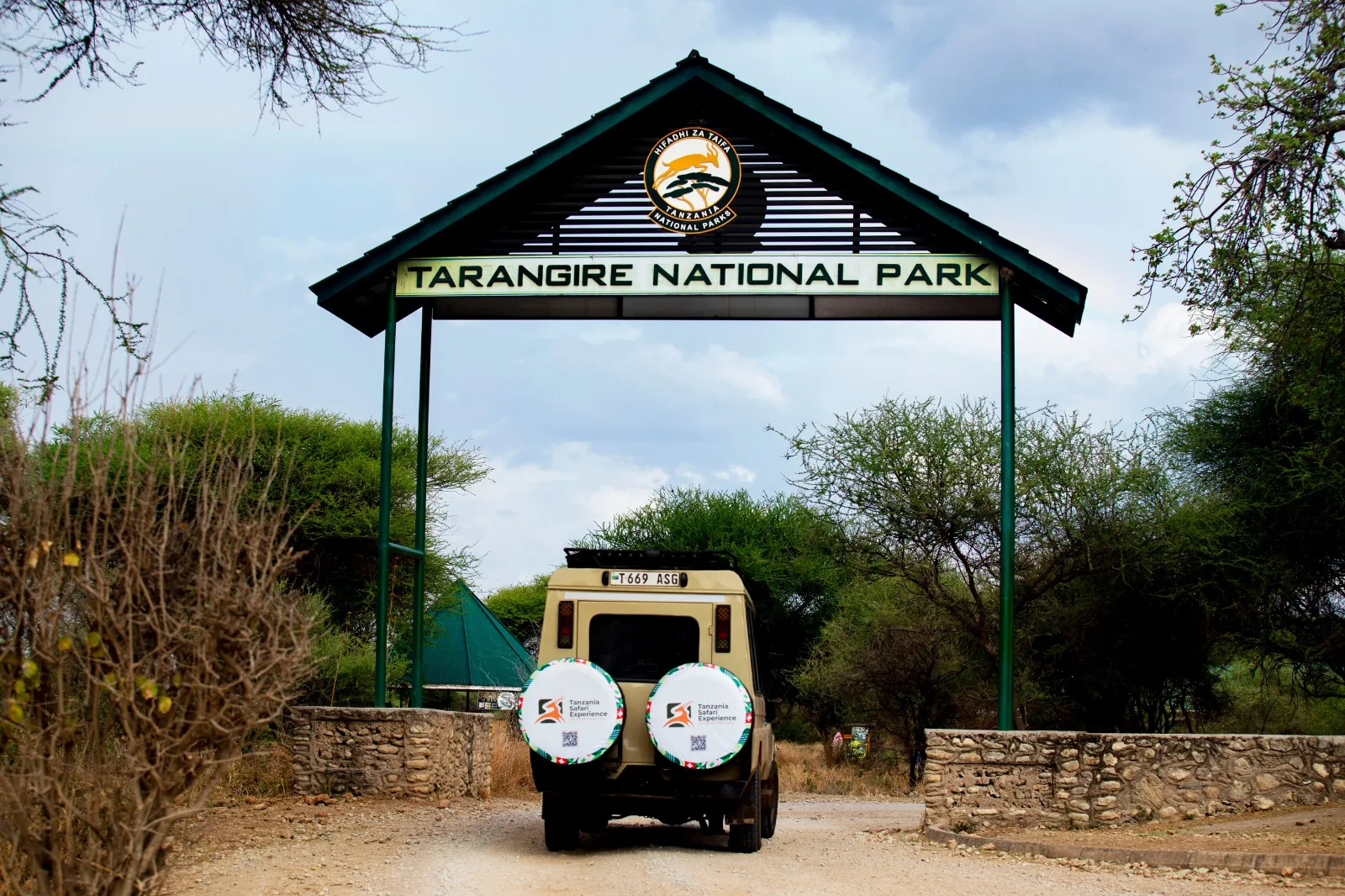
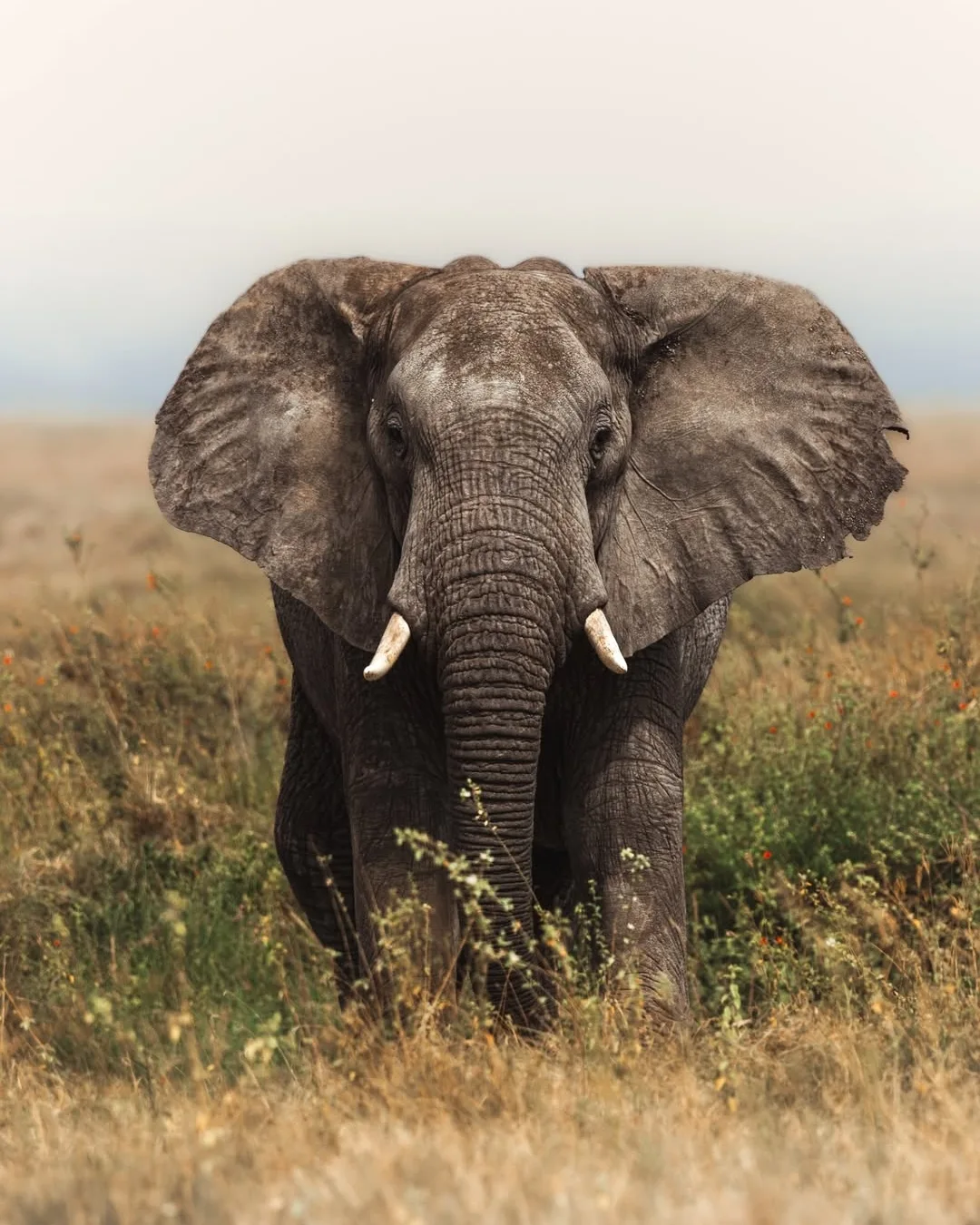
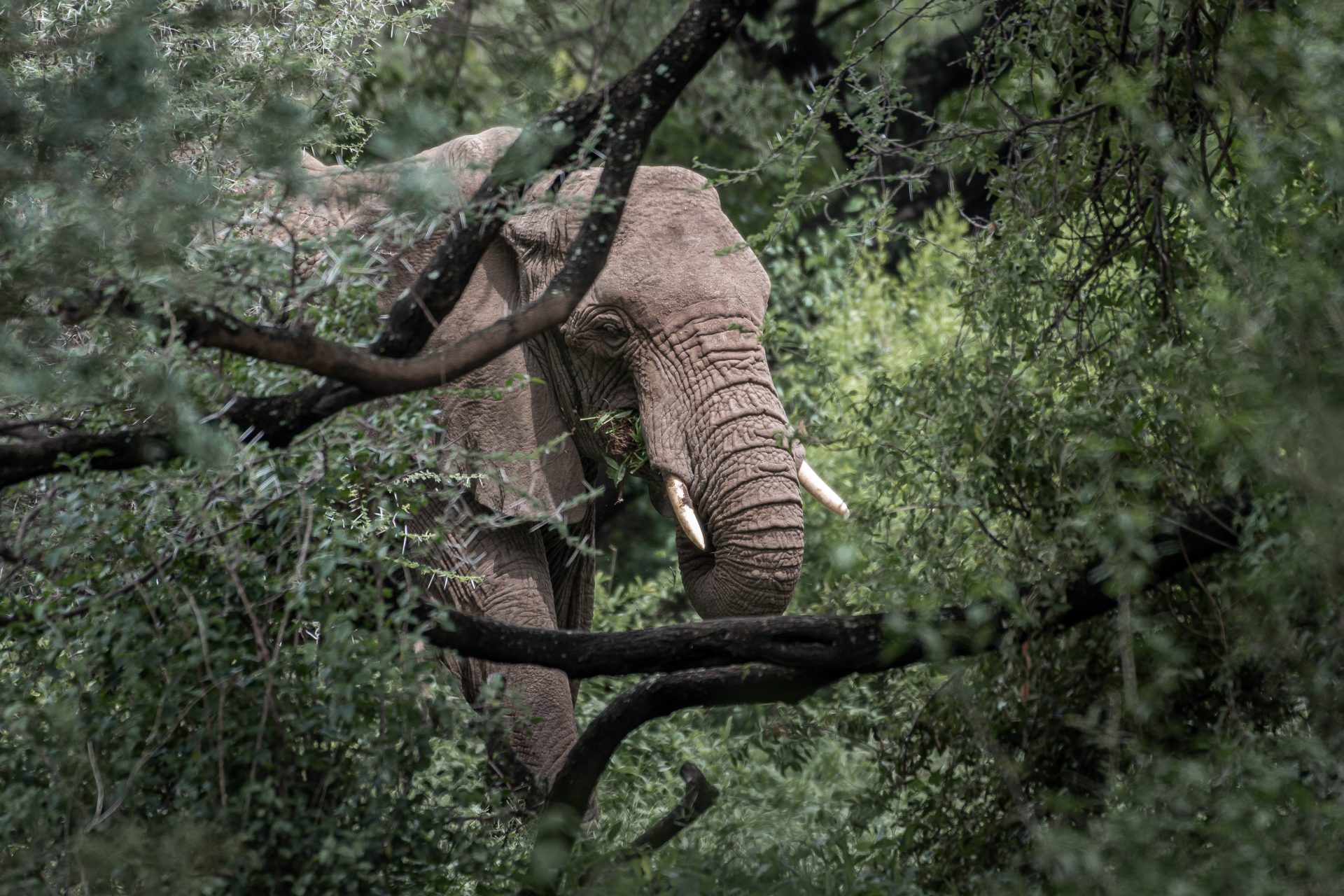
Tarangire is famous for its massive elephant herds and ancient Baobab trees. It offers a quieter, more intimate wildlife experience compared to the busier northern parks, especially during the dry season.

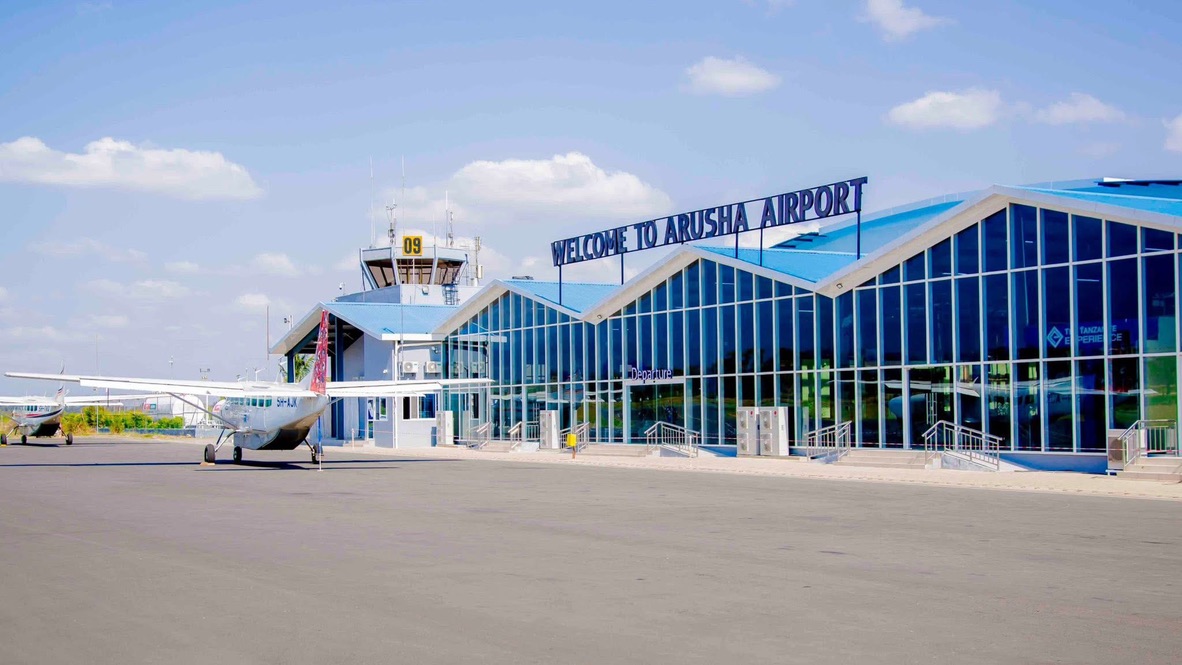
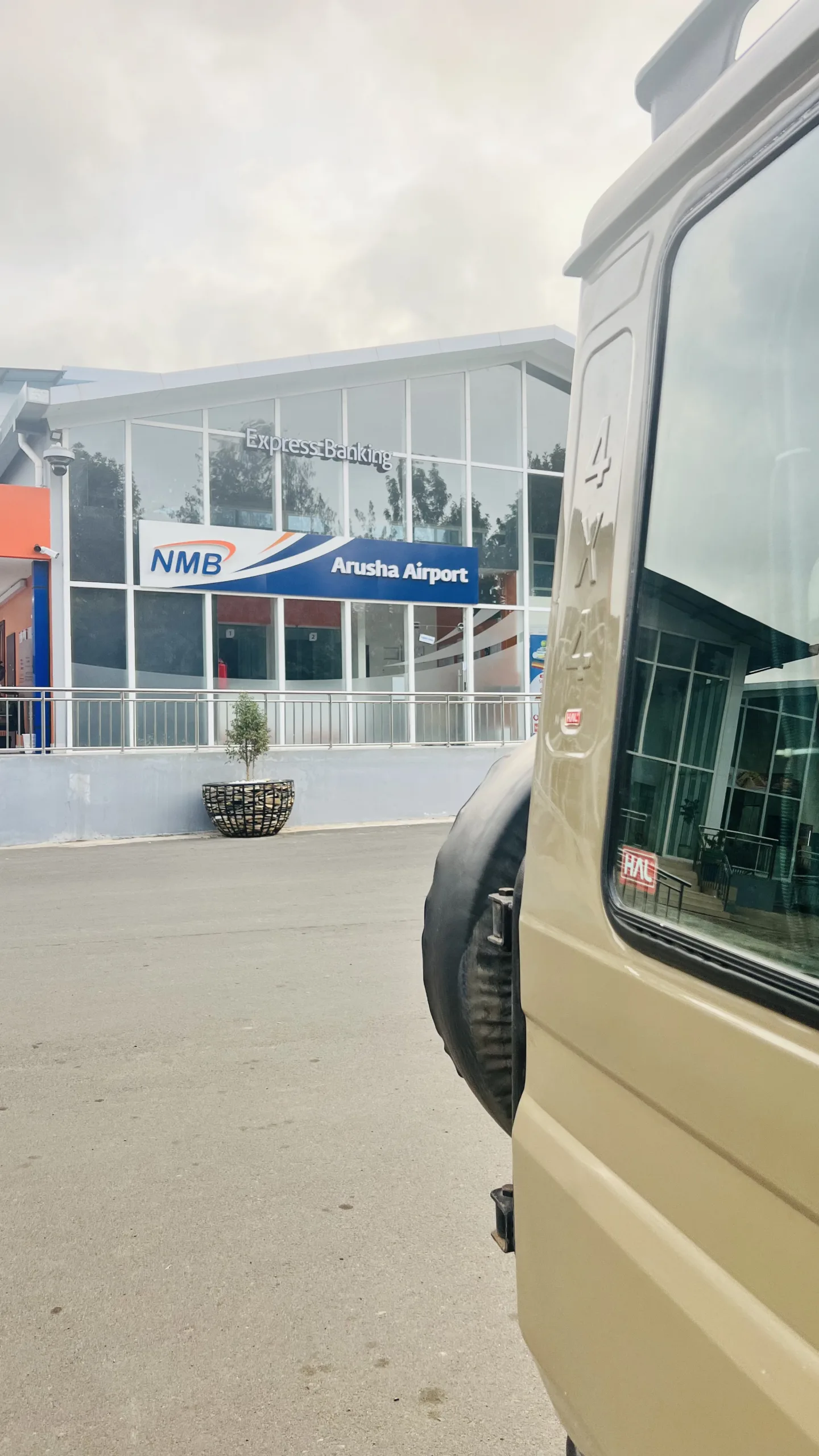
Your journey begins with a quick flight from Zanzibar to Arusha. I will be there at the airport to meet you with a cold bottle of water and a big “Karibu!” We waste no time, heading straight to Tarangire.

The Experience: As we drive in, you’ll notice the Baobabs first. We call them the “upside-down trees” because their branches look like roots reaching for the sky. My favorite spot here is near the Tarangire River. During the heat of the day, hundreds of elephants congregate here. I’ve sat with guests for an hour just watching baby elephants learn how to use their trunks—it’s better than any documentary.

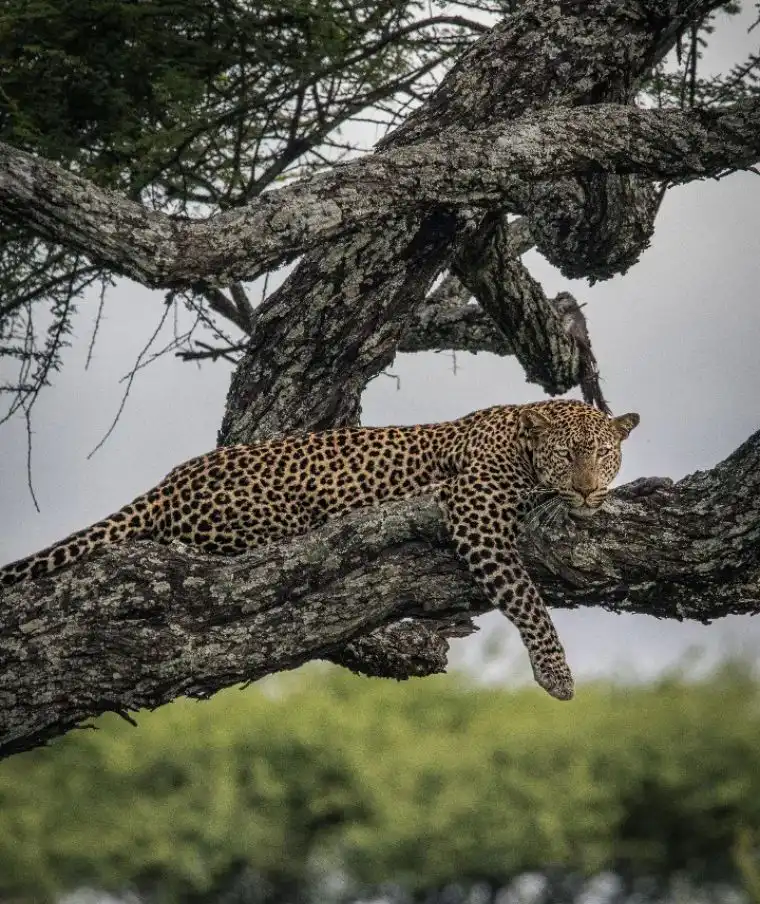
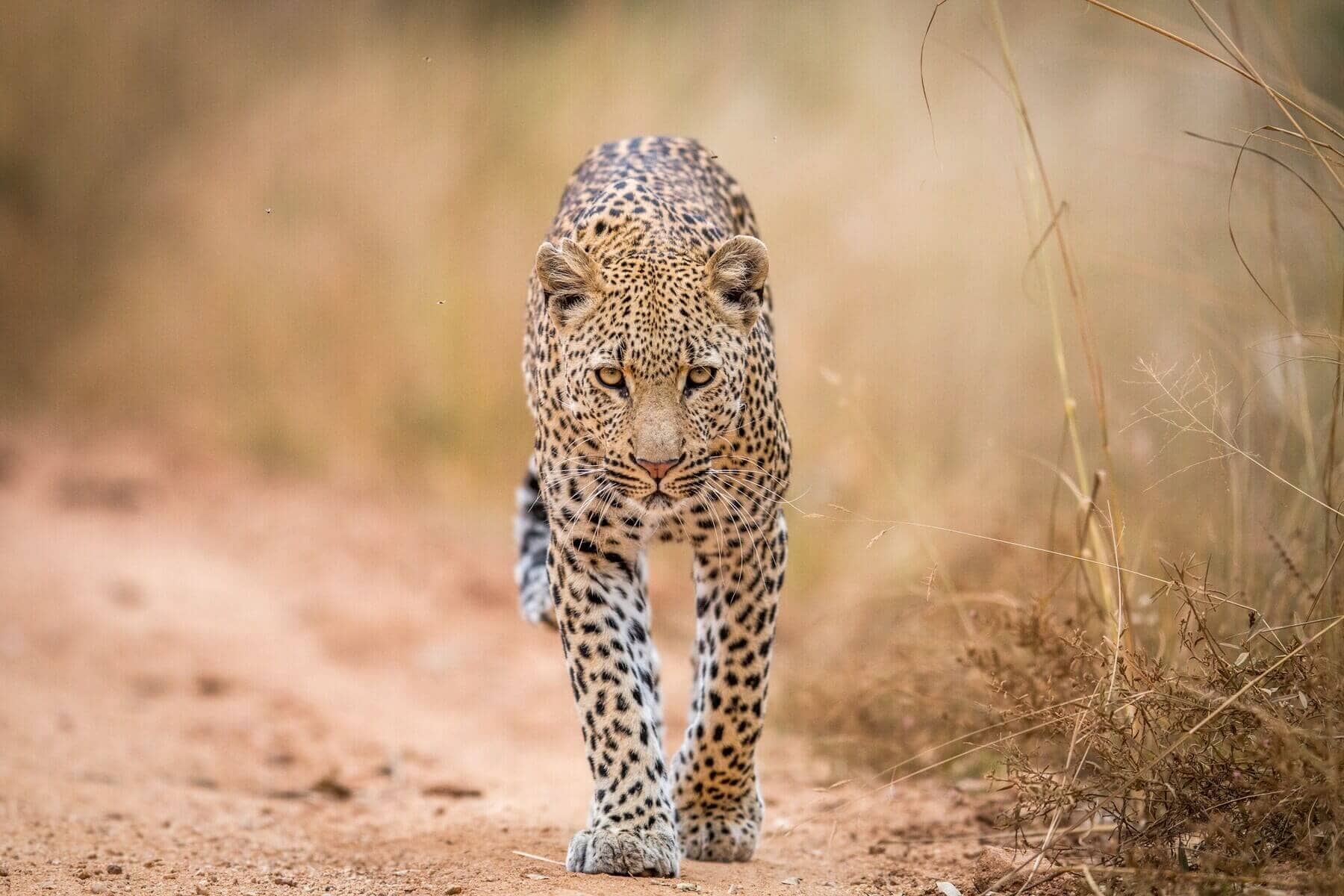
Pro-Tip from a Local: Keep your eyes on the Baobab branches. Unlike the Serengeti where leopards hide in acacia trees, Tarangire leopards love the thick, sturdy limbs of the Baobab.

DAY ACTIVITIES

OVERNIGHT & MEAL PLAN

Day 2: The Endless Plains (Serengeti National Park)

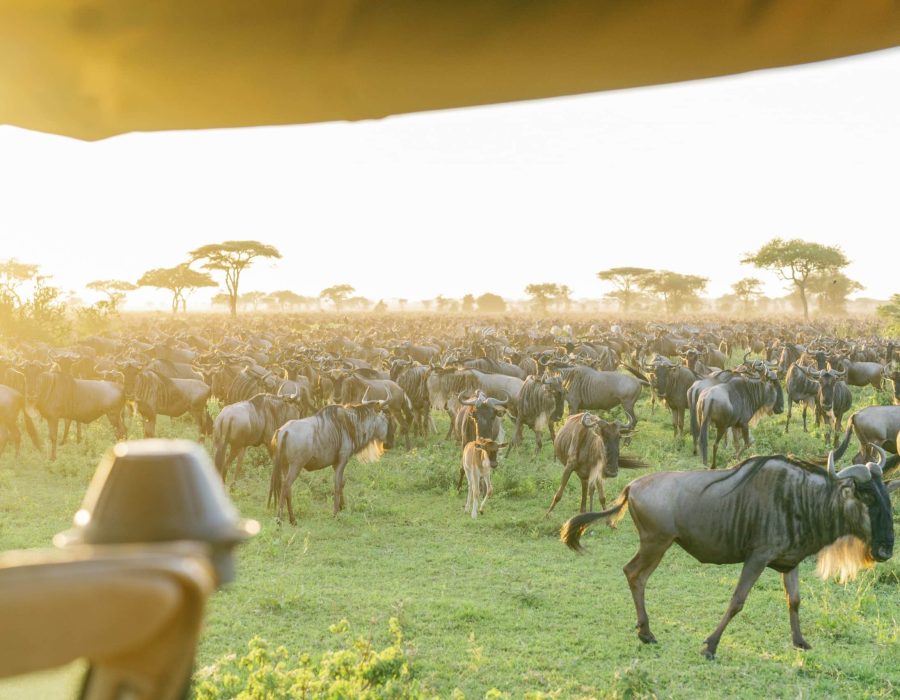
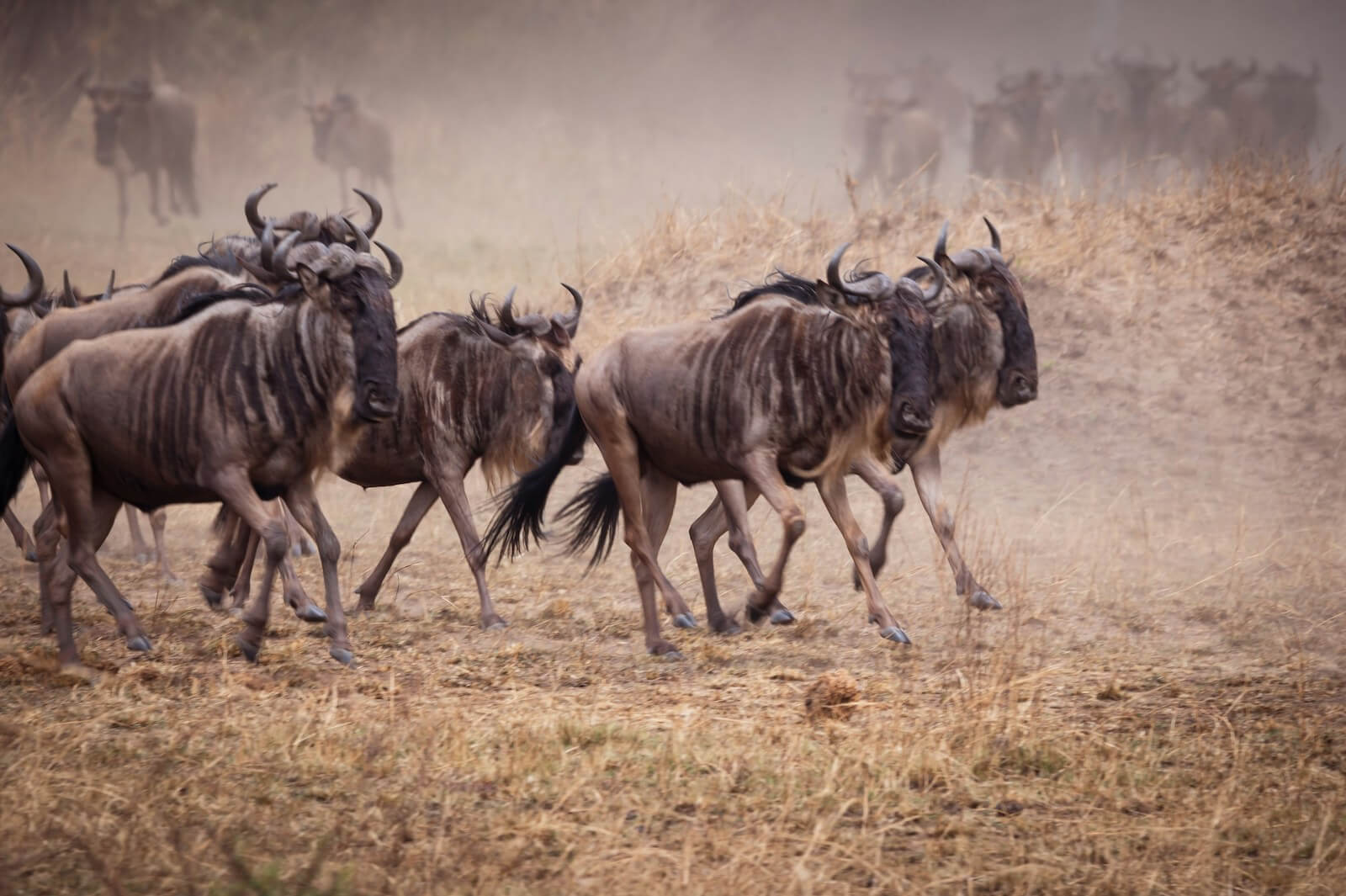
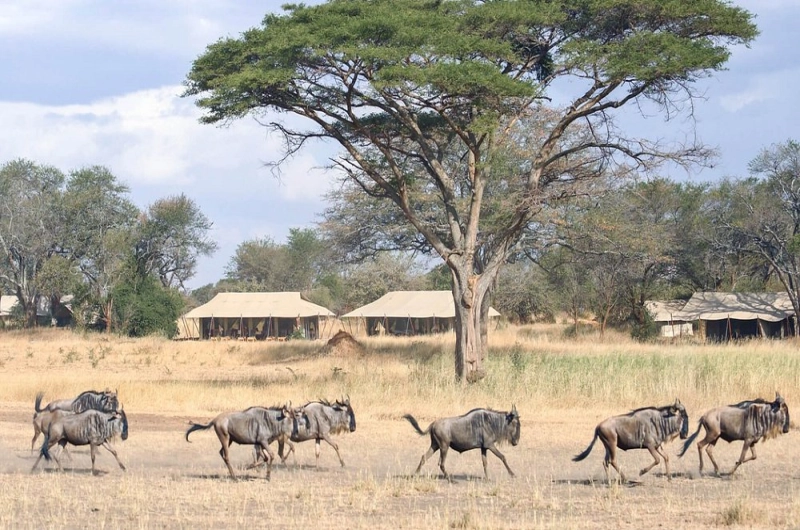
The Serengeti is the heart of wild Africa. Its vast savannahs host the Great Migration and offer the highest density of large predators like lions and cheetahs in the world.

After a quick breakfast, we climb the Ngorongoro highlands. The air gets cool and misty—a nice break from the Zanzibar heat! We pass through Karatu, where you’ll see red-soil farms, before descending into the “Siringet”—the land of endless space.

The Experience:

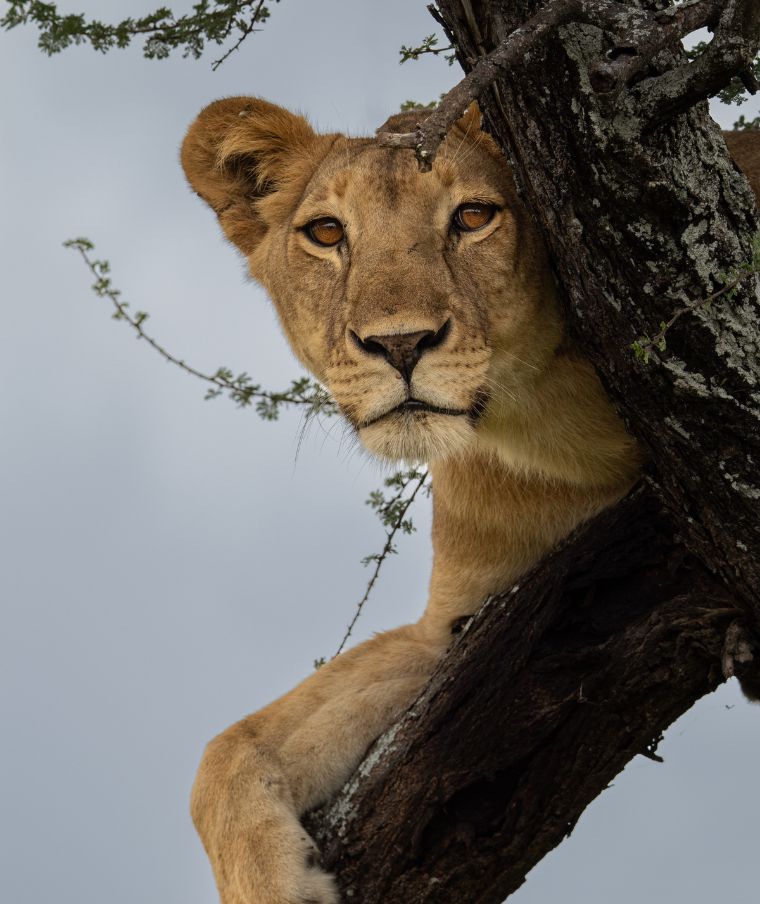
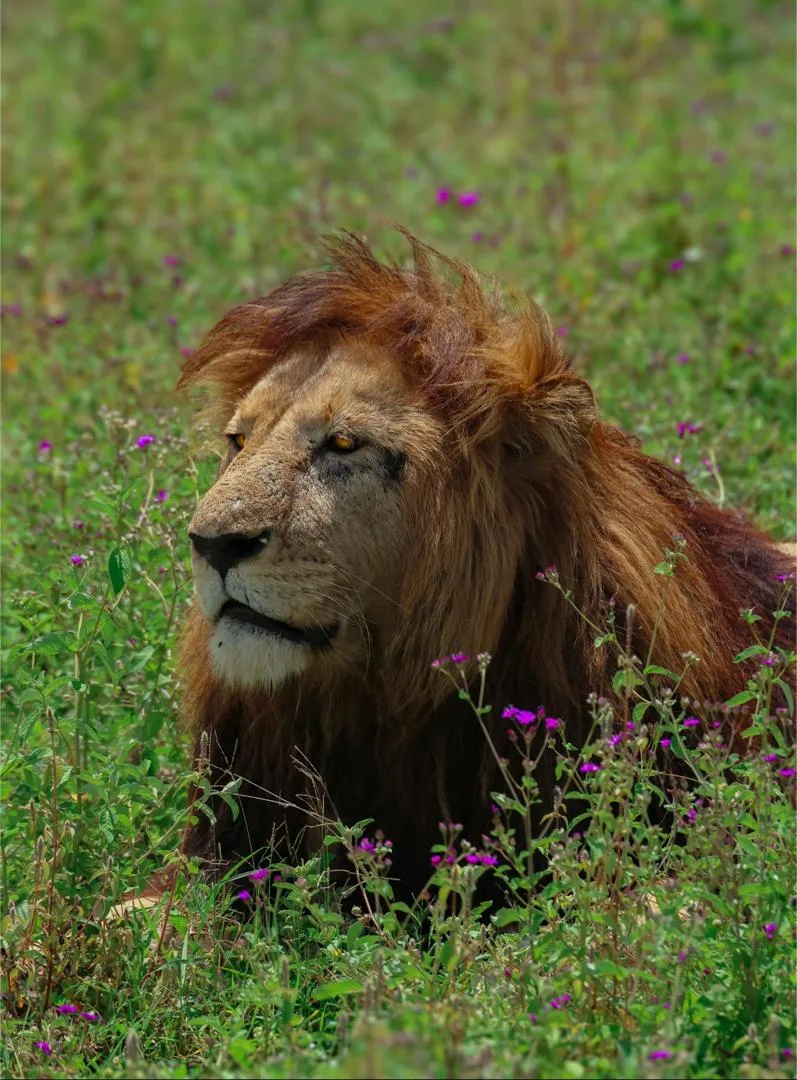
We head to the Seronera Valley (Central Serengeti). This is “Big Cat Capital.” Because the Seronera River flows year-round, the animals don’t leave. We’ll spend our afternoon tracking prides of lions. There’s a specific kopje (rock outcropping) I like to check where a resident pride often naps away the afternoon sun.

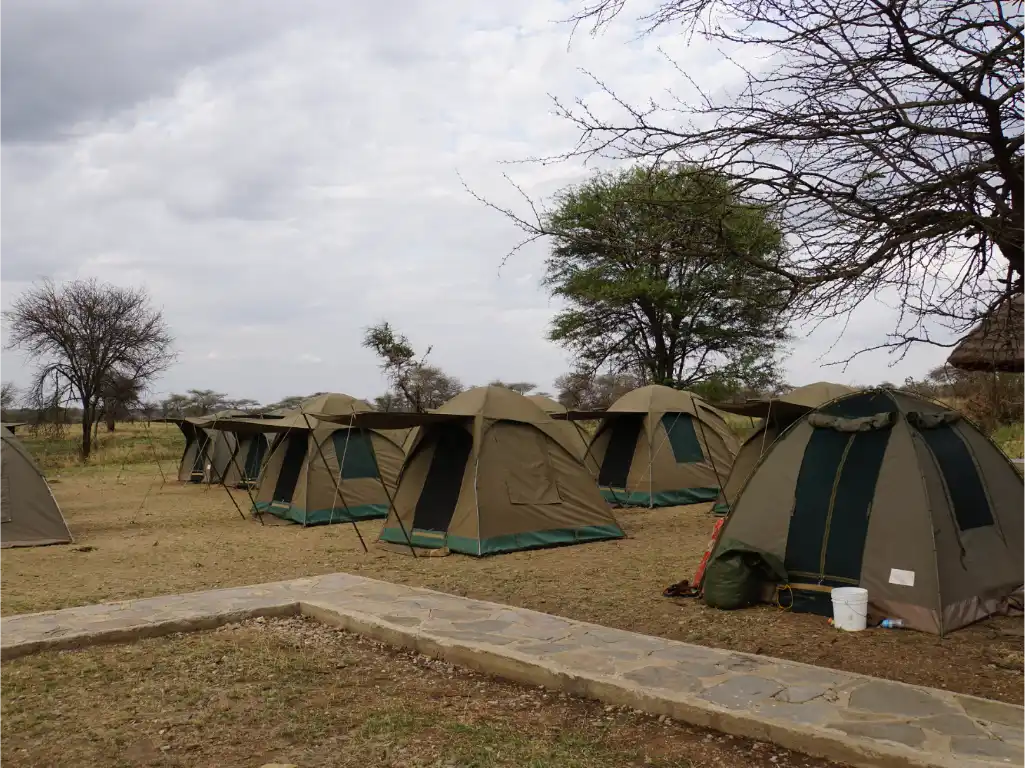
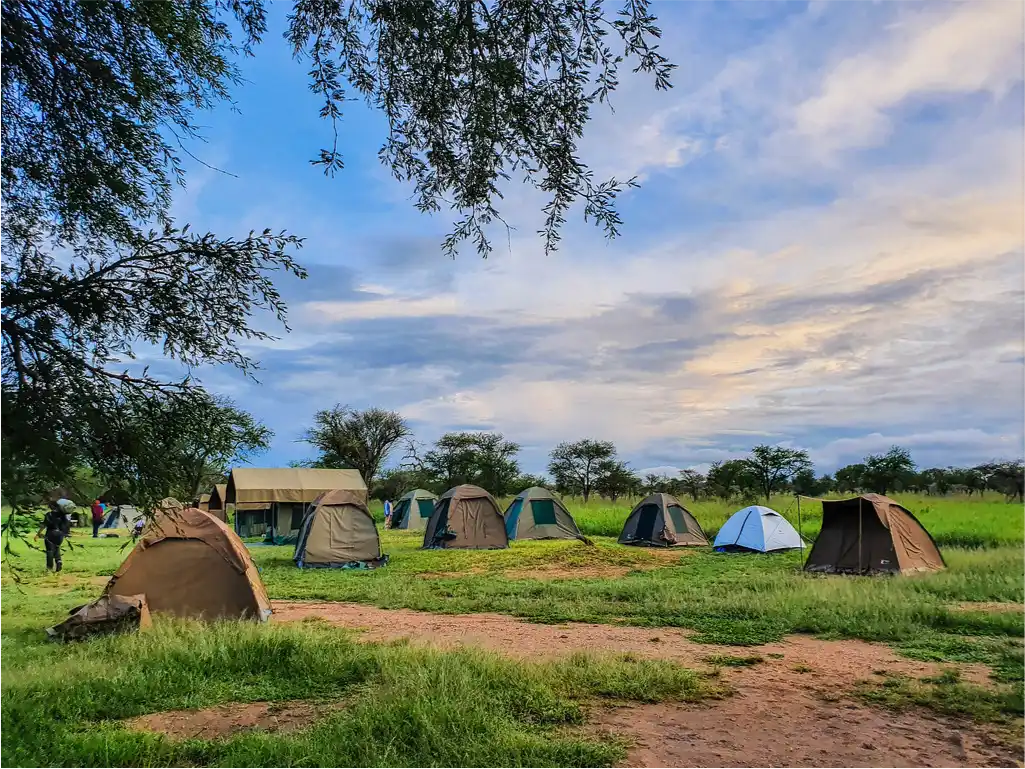
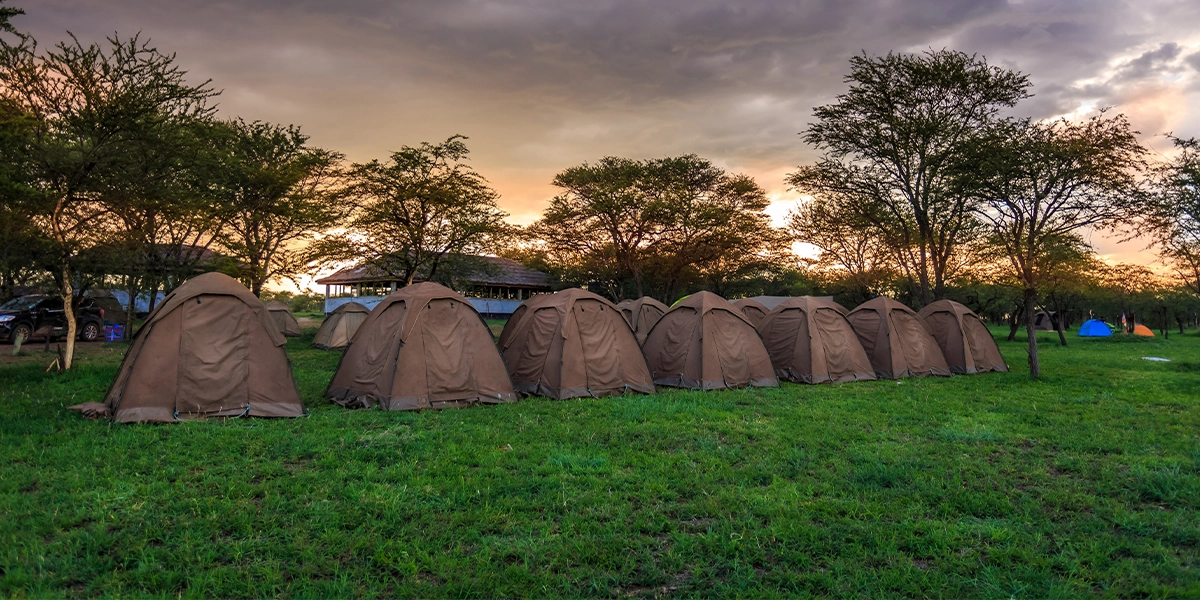
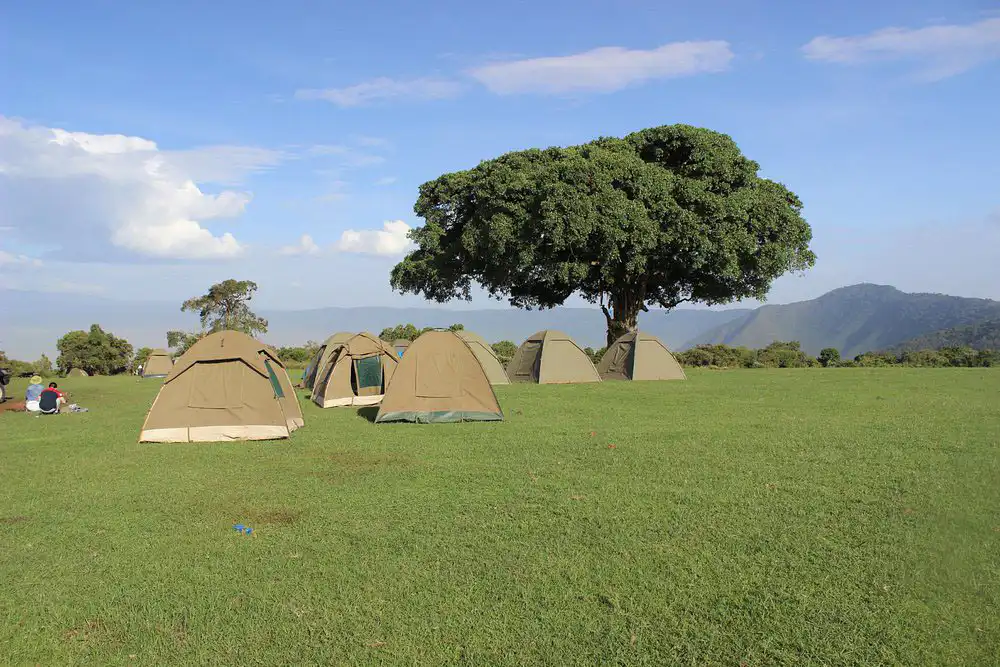
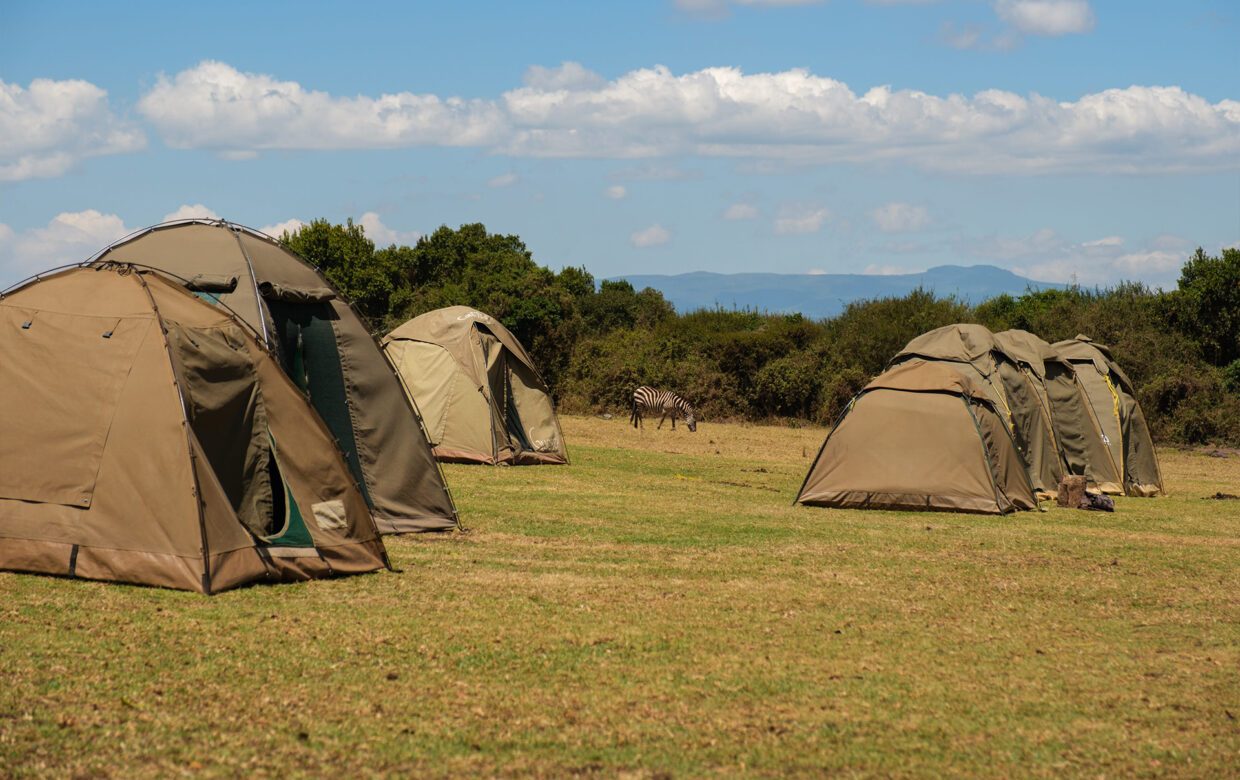
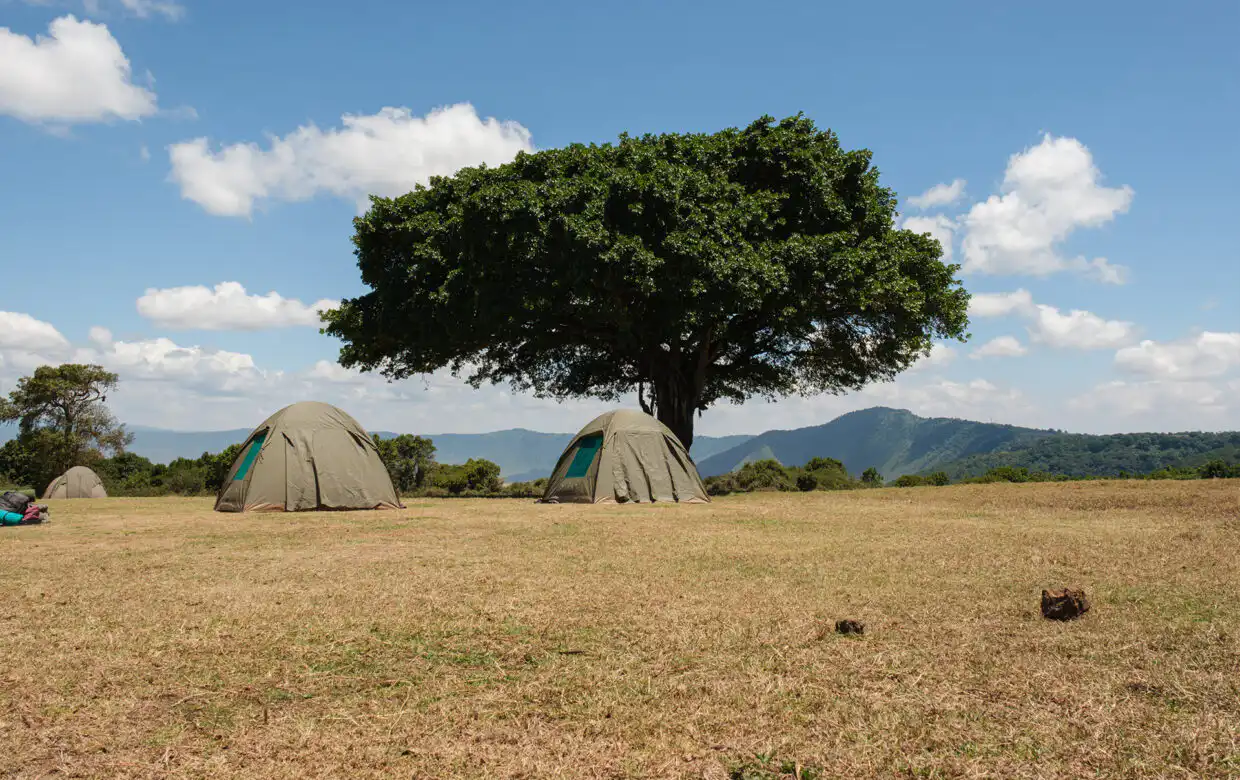
Comparison: Lodge vs. Camping

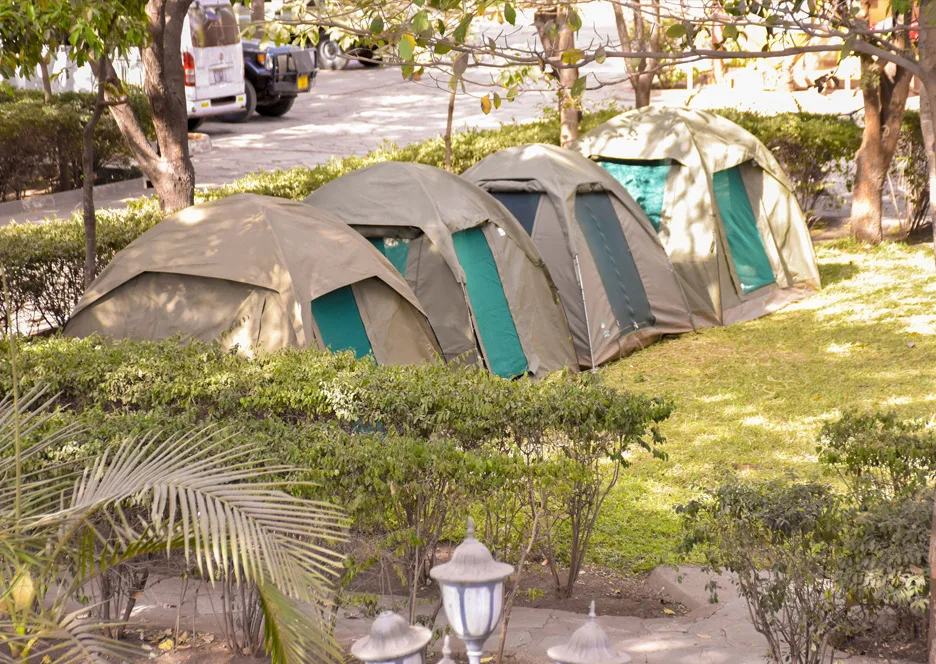
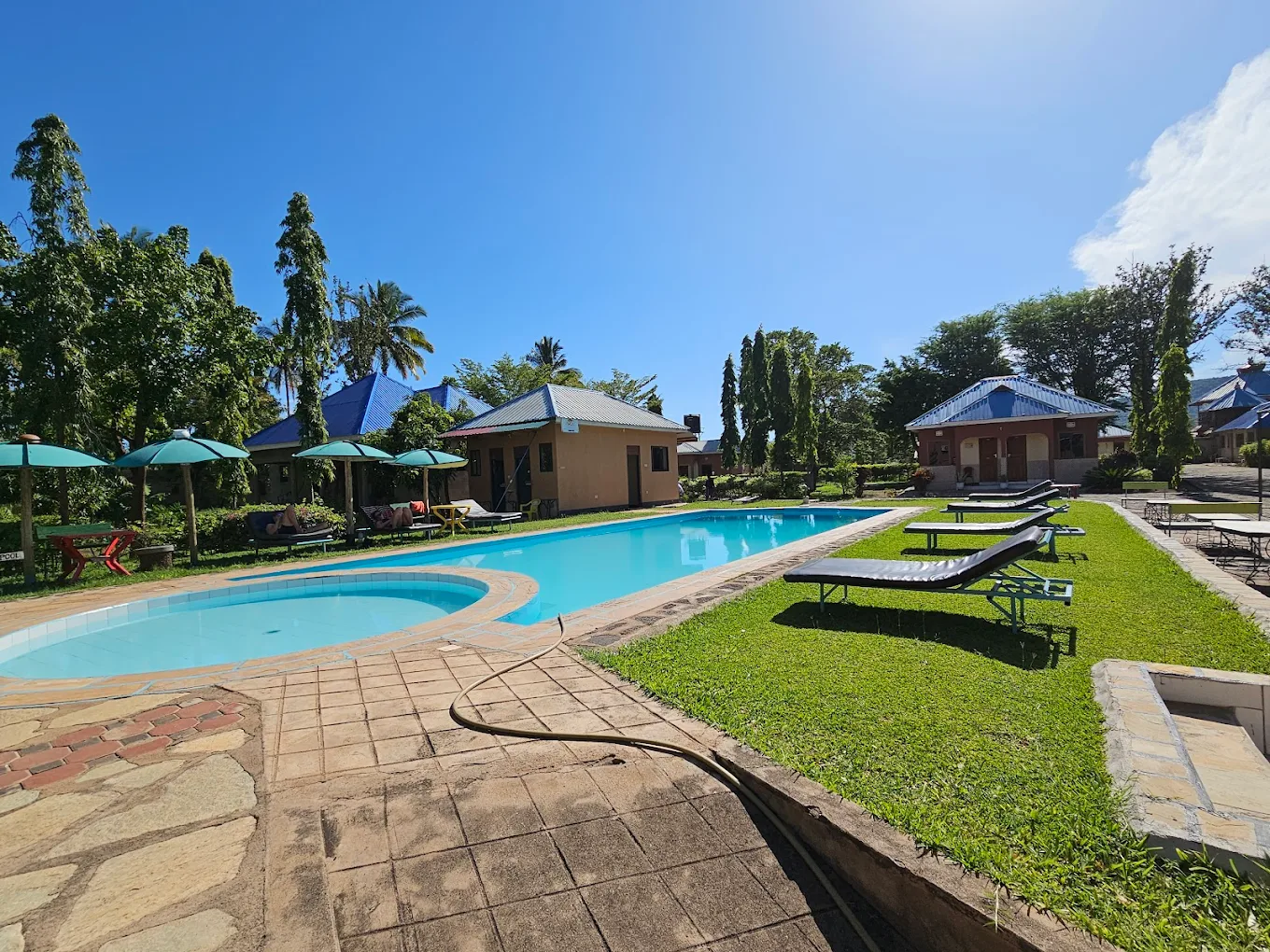
FeatureHeart and Soul / Serengeti HeritageKizumba / Nyani Campsite
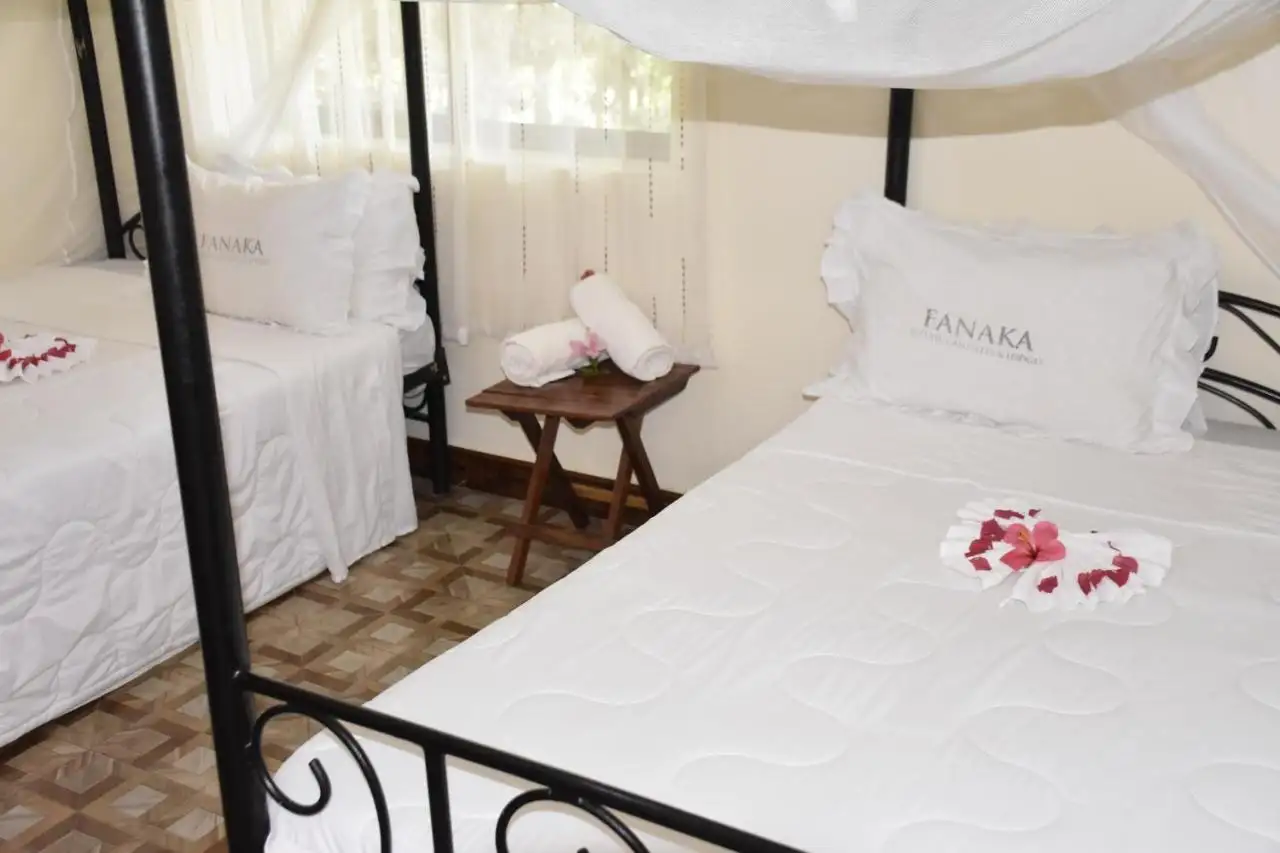
ComfortReal beds, private bathrooms, hot showers.Sleeping bags, shared bathrooms, tent life.
ExperienceRelaxed luxury after a long dusty drive.Immersion; hearing hyenas “whoop” outside.
PriceStandard Mid-range pricing.Most budget-friendly.

DAY ACTIVITIES

OVERNIGHT & MEAL PLAN

Day 3: Sunrise and the High Rim

A sunrise game drive in the Serengeti captures predators at their most active. Afterward, traveling to the Ngorongoro Crater rim positions you for an early descent the following morning.

We wake up at 5:30 AM. I know, you’re on vacation, but trust me! The Serengeti at dawn is magic. The air is crisp, and the sky turns a deep purple-orange. This is when the lions are finishing their nightly hunts.

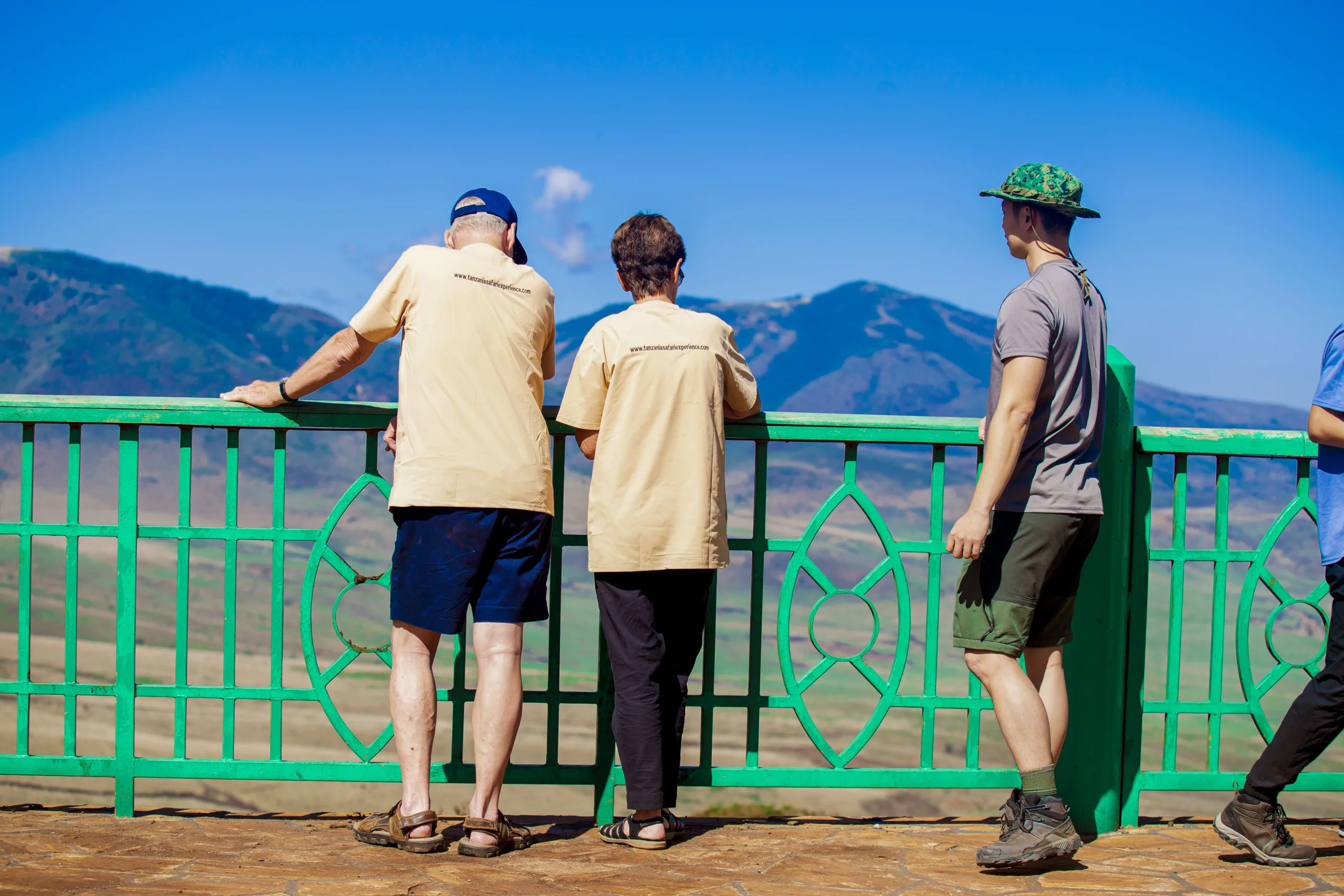
The Experience: We spend the morning “chasing” the light. By afternoon, we begin our winding drive up to the Ngorongoro Crater rim. Looking down into the crater from the top is a moment that usually makes my guests go completely silent. It looks like a lost world.

Local Insight: Bring a heavy fleece or a light puffer jacket for this night. Even though we are in Africa, the rim of the Crater sits at 2,300 meters. It gets cold!

DAY ACTIVITIES

OVERNIGHT & MEAL PLAN

Day 4: The Garden of Eden (Ngorongoro Crater)

The Ngorongoro Crater is a collapsed volcano forming a unique ecosystem. It is the best place in East Africa to see the endangered Black Rhino in a single day.

Today, we drop 600 meters down into the caldera. It’s a 20km wide bowl full of life. Because the walls are so steep, many animals stay here year-round.

The Experience: We’ll head straight to Lake Magadi. The pink fringe you see from a distance? Those are thousands of flamingos. This is also your best chance to see the Black Rhino. There are only a few left, and they are heavily guarded, but they love the short grass of the crater floor.

After a picnic lunch near the hippo pool (where you can watch the “river horses” huff and puff), we begin our journey back to Arusha. You’ll be back in time for your flight to Zanzibar or your next destination.

DAY ACTIVITIES

QUOTATION & PRICING

Planning a budget for 2026 requires understanding that prices vary by group size and season.

TypePrice per day
Camping$250 – $300
Mid-range lodge$300 – $400

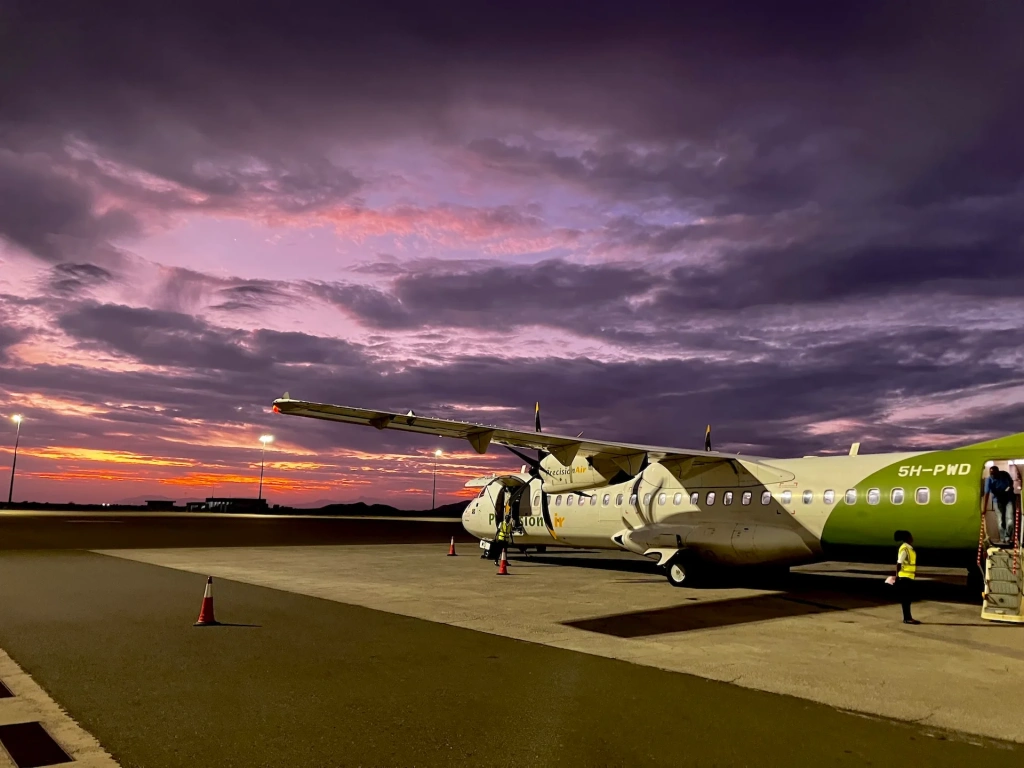
Note: Flights from Zanzibar to Arusha usually cost between $150 and $250 round trip depending on the airline (Precision Air or Coastal Aviation).

Agness Boma - Tanzania Safari Specialist
Customize your safari with confidence — our specialists guide you every step of the way to ensure an exceptional experience.
Looking for 4-Day Tanzania Safari from Zanzibar (Group Tour) for your dates ?

Receive a free Tanzania safari quote straight to your email within 6 hours! Customize your preferences, and we’ll craft a unique experience just for you. Prices vary based on group size and accommodation choice.

We've got you covered

Our tours are top-notch but give you great value. The price we tell you upfront covers most of the costs for one person, like flights and all transfers.

Agness Boma - Tanzania Safari Specialist

Connect with our local experts for personalized travel planning

Plan your 4-Day Tanzania Safari from Zanzibar (Group Tour) today

Request a Program
Response within 24 hours
No obligations

4-Day Tanzania Safari from Zanzibar (Group Tour) TripAdvisor Reviews

SEE WHAT OUR GUESTS HAVE TO SAY ABOUT THEIR TANZANIA SAFARI EXPERIENCE.

*For the most recent reviews/testimonials from our guests, please visit our TripAdvisor page and Trustpilot.

Everything You Need to Know About Your Safari

Every safari adventure begins with a question. Whether it’s your first or second time, it’s natural to wonder about the best time to visit, what to pack, or how the journey works. Here, we’ve answered the most common questions travelers ask before booking their Tanzania safari, so you can plan with confidence and look forward to unforgettable memories.

Yes—if the route is well planned. You’ll cover Tarangire, Serengeti, and Ngorongoro with strong wildlife viewing, but expect a fast-paced experience.
From May to June and November to December, the migration often passes through or near the Central Serengeti. Outside of these months, you will see the "Resident Population," which includes thousands of lions, leopards, and elephants that do not migrate.

Most travelers leave their main luggage at their Zanzibar hotel or at the airport storage and only take a small duffle to the Serengeti.

Mid-range lodges or public campsites, depending on your choice. Both are located close to wildlife areas for better safari access.

This is a group joining safari. You share the vehicle, which reduces cost but keeps the same game drive experience.

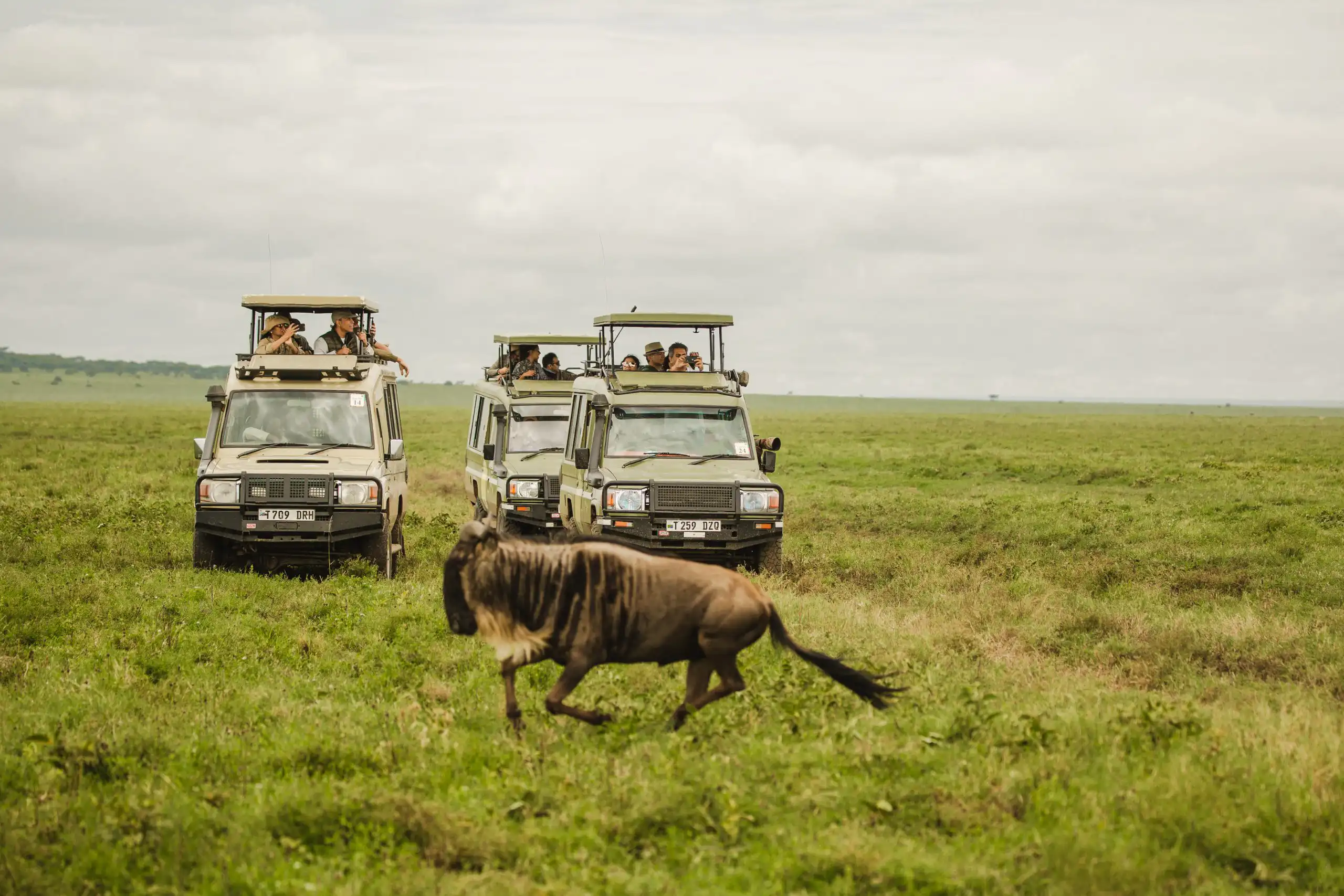
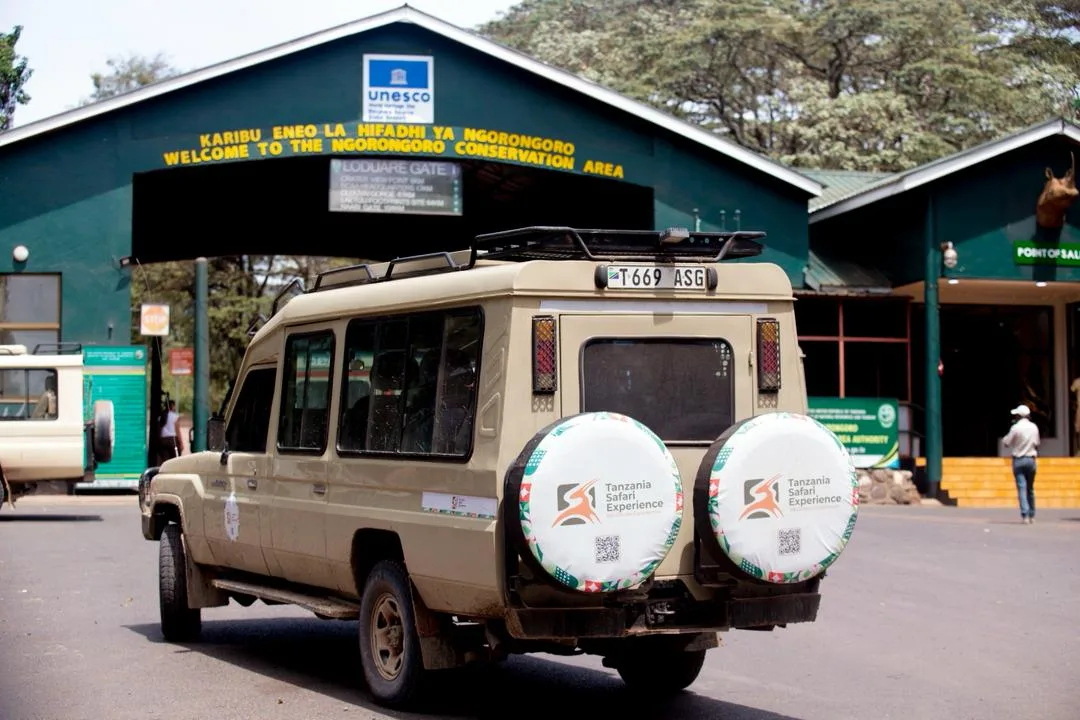
Usually up to 6–7 travelers in a 4x4 Land Cruiser, each with a window seat and access to the pop-up roof.

By paying these tariffs, you directly finance wildlife conservation and give local communities a tangible incentive to help protect Africa's magical ecosystems. On the face of it, these fees can be what makes African safaris so expensive when you receive cost estimates.