
Is Zanzibar Expensive? The Real 2026 Cost Guide for Every Budget
Zanzibar remains one of the world’s most captivating island escapes, but navigating its costs in 2026 requires more than just a quick look at hotel booking sites. At Tanzania Safari Experience, we live and breathe these shores, and we’ve seen how the “Spice Island” has shifted from a backpacker’s secret to a sophisticated global destination.
The Direct Answer on Zanzibar Costs
In 2026, Zanzibar is a mid-tier destination. Budget travelers can survive on $50–$80 daily, mid-range explorers should plan for $150–$300, while luxury seekers will spend $600–$1,500+ for premium, all-inclusive island living.
The Current Landscape: Why Prices Feel Different This Year
I often tell our guests that Zanzibar is a victim of its own beauty. While it is still significantly more affordable than the Maldives or the Seychelles, it is no longer the “dirt cheap” alternative to Southeast Asia. Several factors have influenced the 2026 pricing landscape, from the mandatory $5 per person, per night Infrastructure Tax to the rising cost of imported goods like wine and specific electronics.
When our team scouts locations, we notice that the biggest price “trap” isn’t the hotels themselves, but the logistics. For example, a private taxi from the airport to Nungwi can cost as much as two nights in a Stone Town guesthouse. To truly understand if Zanzibar is expensive, you have to look at where you choose to plant your beach umbrella.
Zanzibar Budget Tiers: A Comparison for 2026
| Category | Daily Budget (Per Person) | Accommodation Type | Typical Meal |
| Backpacker | $50 – $80 | Hostels or Jambiani Guesthouses | Street food / Forodhani Market |
| Mid-Range | $150 – $300 | Boutique hotels with AC and Pool | Seafood dinners at local bistros |
| Luxury | $600 – $1,500+ | Private villas or 5-star Resorts | Fine dining and private chefs |
Pro-Tip from the Field: If you are looking to save 30% instantly, stay in Paje or Jambiani instead of Nungwi. While Nungwi is famous for its swimmable beaches at low tide, the east coast offers a much more authentic (and affordable) “feet-in-the-sand” experience.
Decoding the Cost of Sleep: From $20 Bunks to $2,000 Villas
The Cost of Lodging
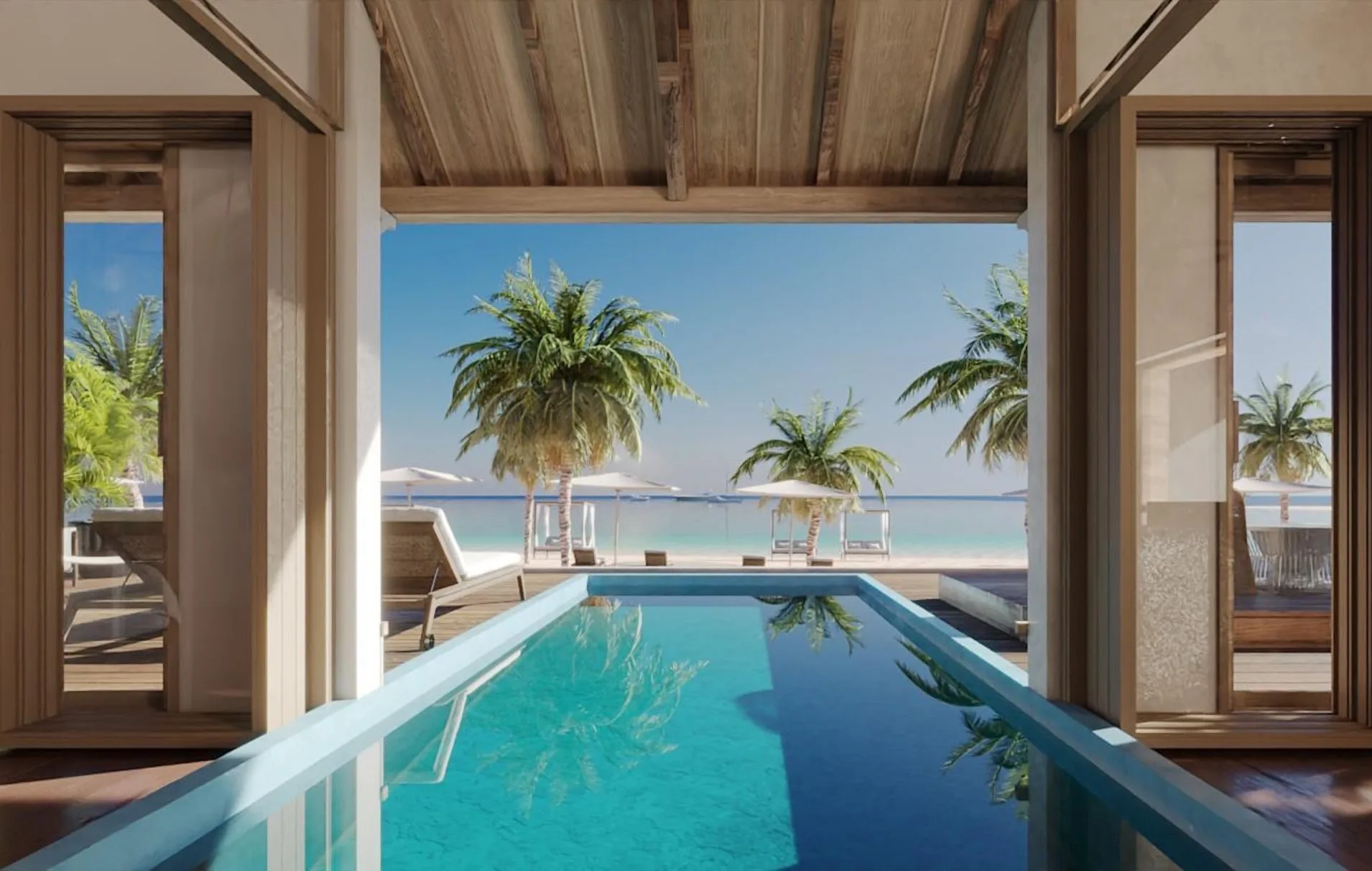
Accommodation is your largest expense. In 2026, expect to pay $30–$50 for budget bungalows, $150–$250 for mid-range boutique stays, and $500+ for luxury all-inclusive resorts in prime locations like Kendwa.
We’ve spent years building relationships with local hoteliers, and one thing remains constant: “Star ratings” here don’t always match international expectations. A “4-star” hotel on a global site might feel like a basic 3-star lodge once you’re on the ground. This is why we prioritize properties like Turaco Nungwi or Tembo House Hotel, where the value-to-quality ratio is consistently high.
Regional Price Variations
-
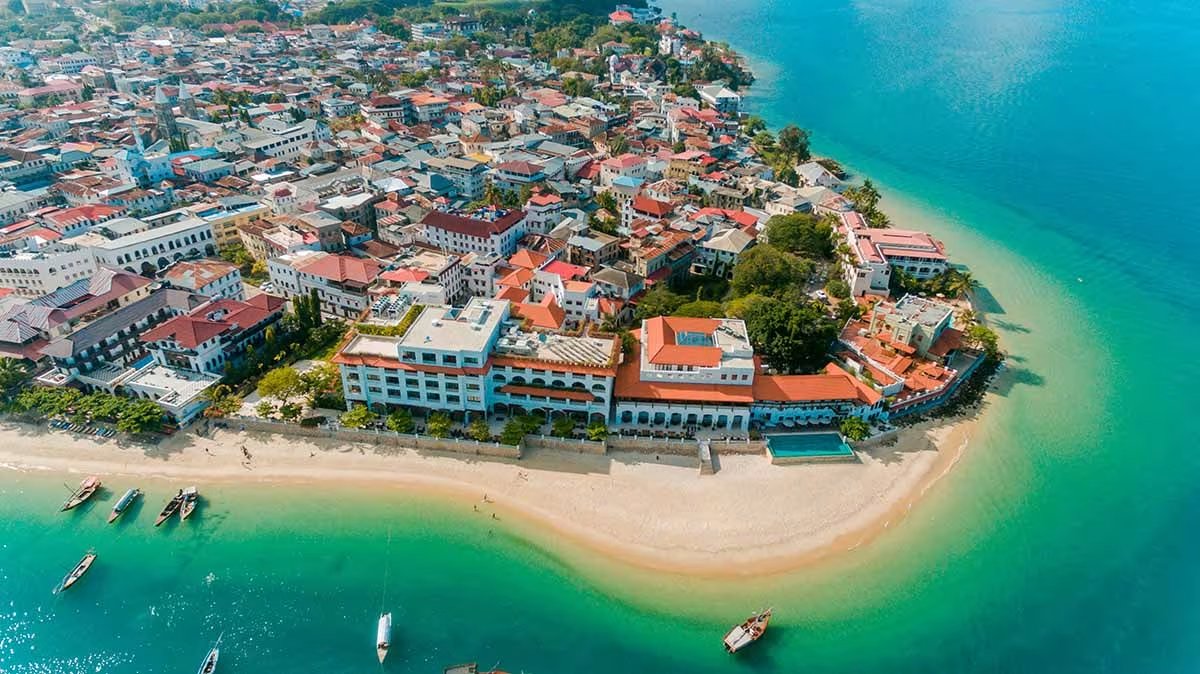
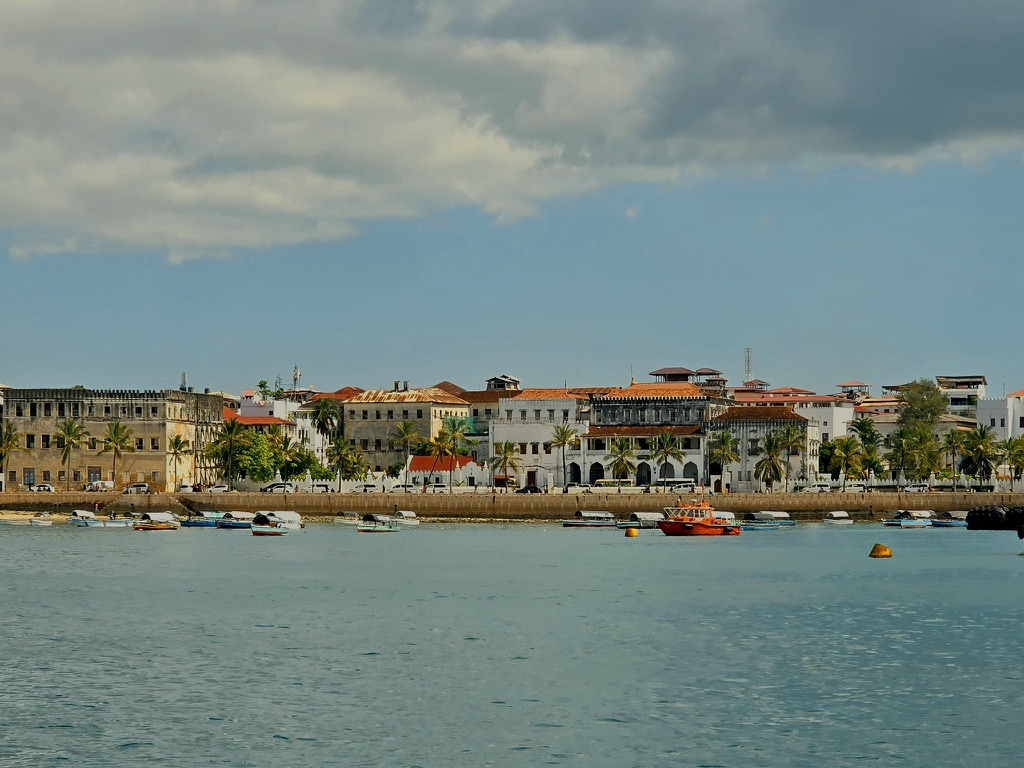
Stone Town: Ideal for your first 48 hours. You can find stunning heritage hotels for $80–$120.
-
Nungwi & Kendwa: The most expensive zones. Because the tide doesn’t disappear here, hotels charge a premium for “all-day swimming.”
-
Matemwe: Quiet and mid-priced; perfect for those who want to escape the crowds.
Eating on the Archipelago: Street Food vs. Fine Dining
The Cost of Dining
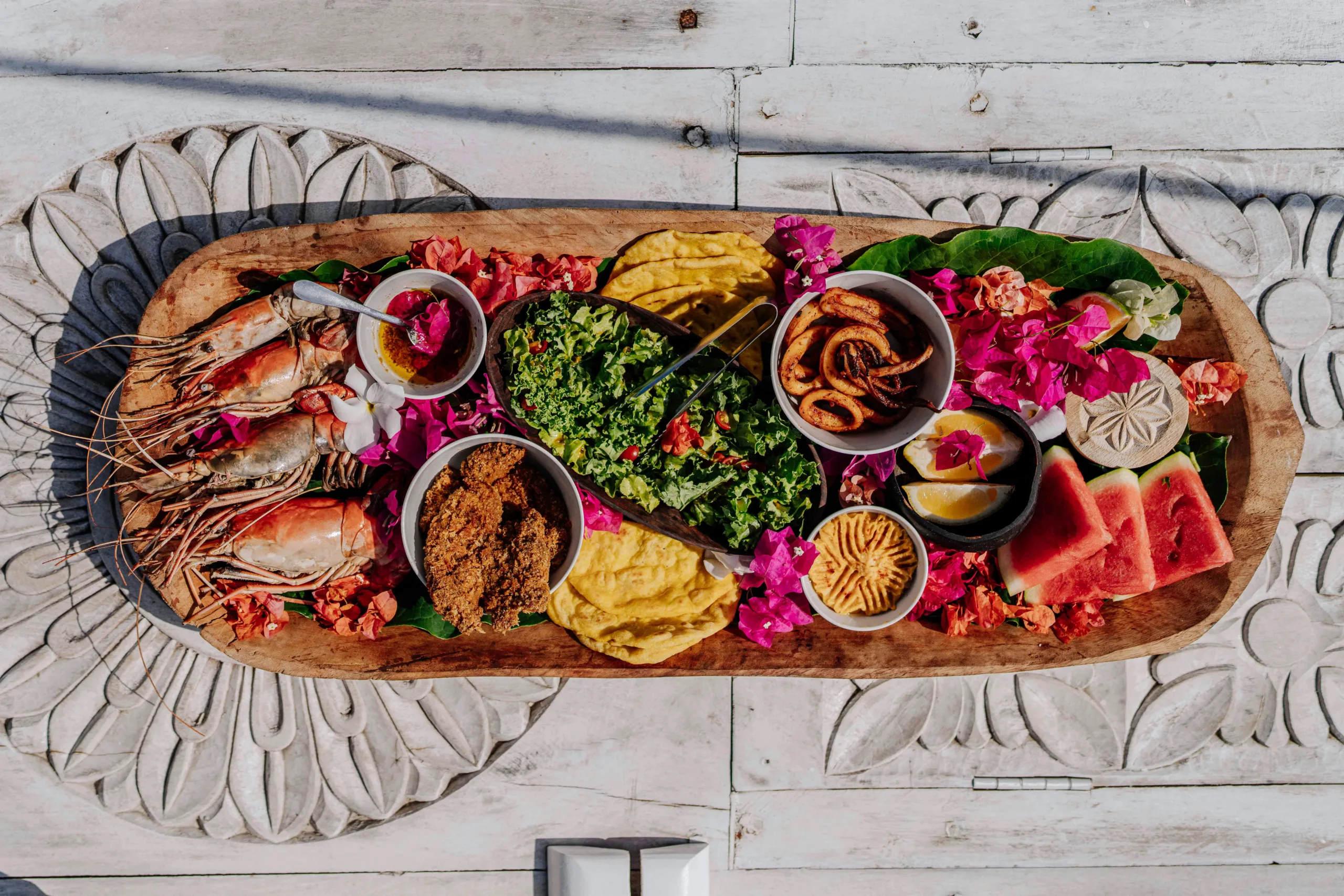
Food costs vary wildly. A local “Urojo” soup costs $2, a full biryani at a local spot like Lukmaan is $6–$8, while a three-course seafood dinner at a resort averages $40–$70.
If you want the most authentic experience, I recommend the Forodhani Night Market in Stone Town. Yes, it’s touristy, but getting a Zanzibar Pizza for $3 and a fresh sugarcane juice for $1 while watching the sunset over the Indian Ocean is a rite of passage.
Comparison: Forodhani Market vs. Resort Dining
-
Zanzibar Pizza: $3 (Market) vs. $15 (Resort)
-
Grilled Octopus Skewer: $5 (Market) vs. $22 (Resort)
-
Local Beer (Kilimanjaro/Safari): $2 (Local Bar) vs. $6 (Resort)
Getting Around: The Logistics of an Island
The Cost of Transportation
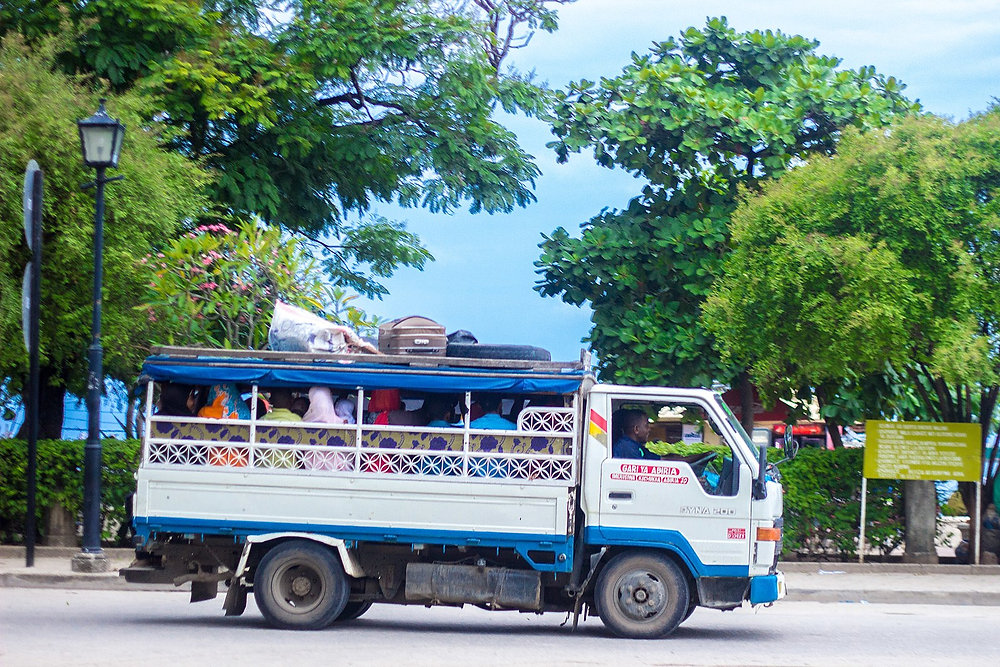
Taxis are the standard for tourists, costing $40–$60 for long cross-island trips. For the adventurous, a Dala-Dala (local minibus) costs less than $2 but takes significantly longer.
We always suggest booking your transfers in advance. Taxis at the airport often quote “tourist prices” that can be 50% higher than the standard rate. If you’re staying for a week, renting a scooter for $25–$30 a day is a fantastic way to explore hidden beaches like Mtende without breaking the bank.
Activities: Spending Your “Fun Money” Wisely
The Cost of Tours
Most half-day tours (Spice Farm, Prison Island, or Stone Town walking tours) cost between $25 and $55. Full-day excursions like “Safari Blue” typically range from $90 to $120 including lunch.
One “Information Gain” insight our team has gathered: Don’t book every tour through your hotel. Hotels often add a 20-30% commission. Walking into Stone Town and talking to local licensed guides can save you money and ensure the funds go directly into the local community.
Popular Excursion Prices 2026
-
Mnemba Atoll Snorkeling: $45 – $60
-
Jozani Forest (Red Colobus Monkeys): $35 – $50
-
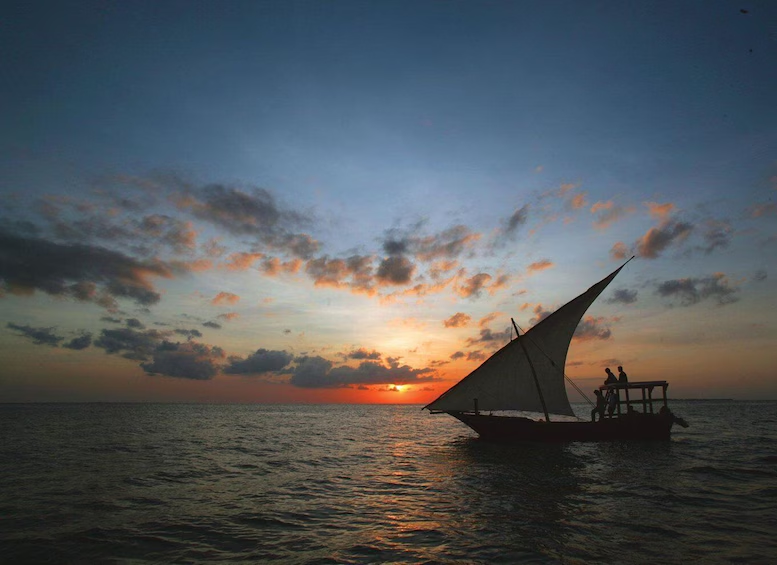
Sunset Dhow Cruise: $30 – $55
-
Deep Sea Fishing: $200 – $500 (per boat)
How Much Does a Flight to Zanzibar Cost in 2026?
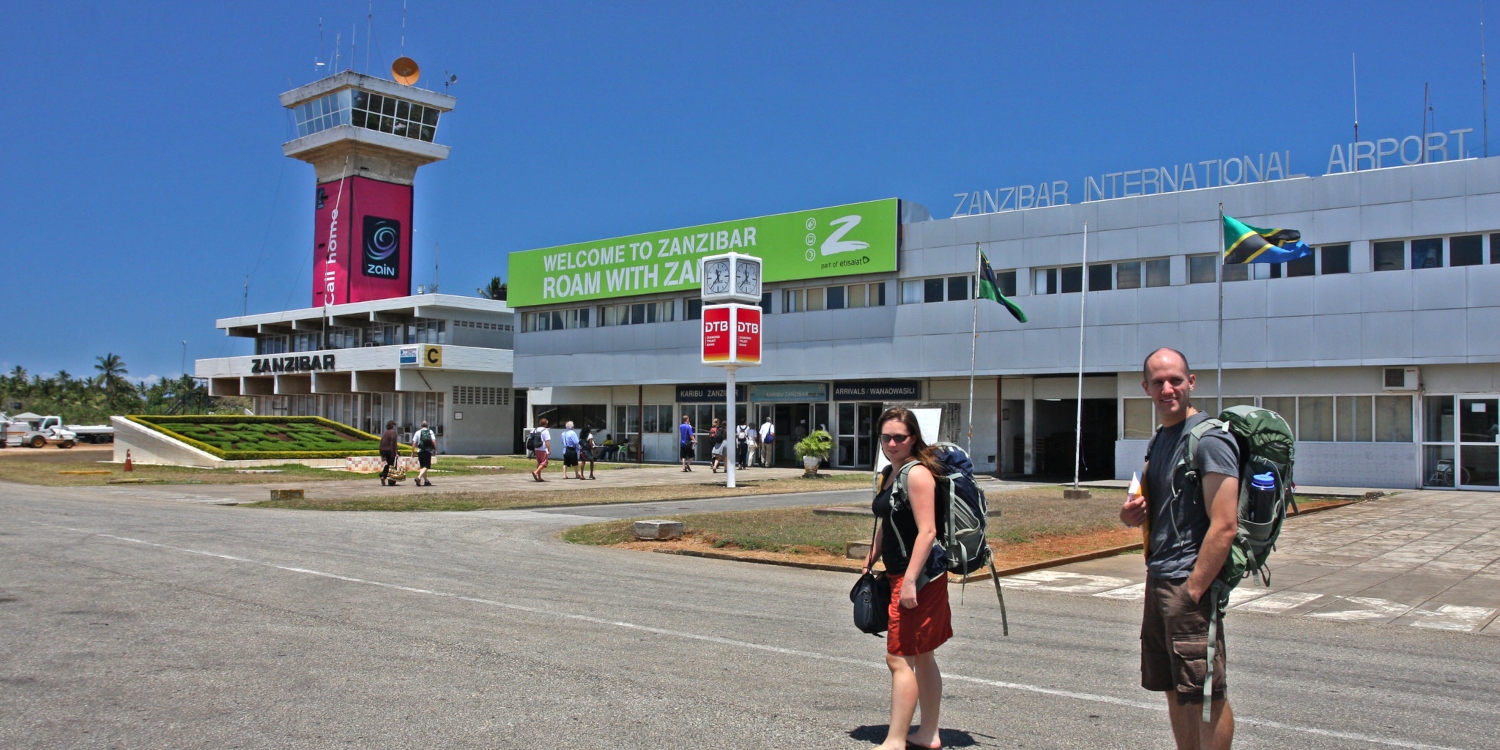
Navigating the airfare to Abeid Amani Karume International Airport (ZNZ) is often the most complex part of budgeting for your trip. In 2026, we’ve seen a significant increase in direct flight options from Europe and the Middle East, which has helped stabilize prices despite global fuel trends.
The Flight Cost Breakdown
Expect to pay between $800 and $1,200 for a standard return economy ticket from Europe or North America. Regional flights from East African hubs like Nairobi or Dar es Salaam are much more affordable, ranging from $150 to $350 return.
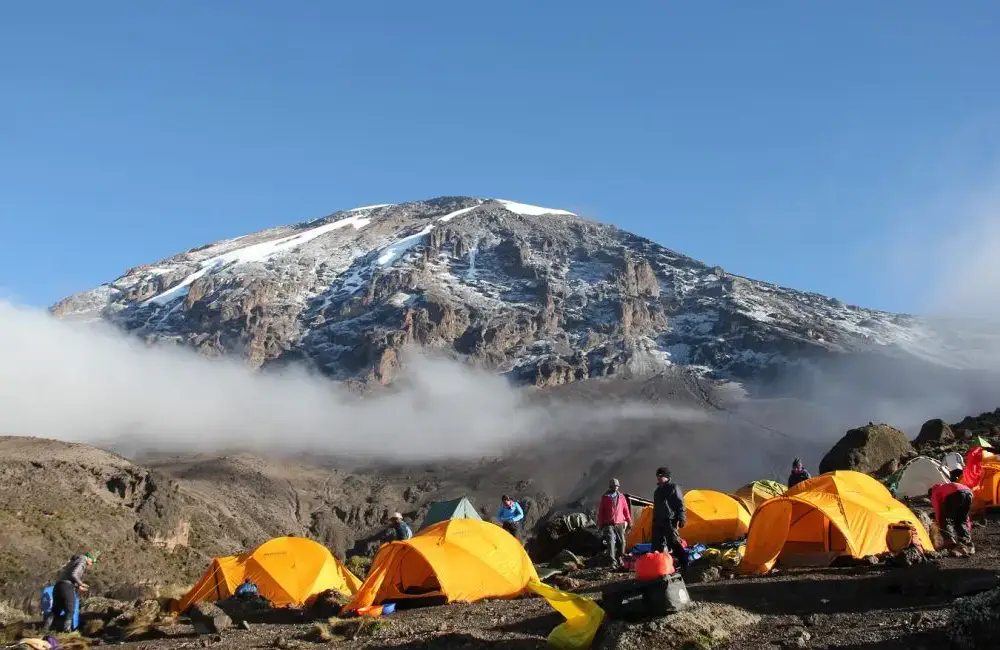
At Tanzania Safari Experience, we always suggest looking at “multi-city” tickets. Often, flying into Kilimanjaro (JRO) for a safari and departing from Zanzibar (ZNZ) after your beach stay costs nearly the same as a simple return ticket to one airport, while saving you the cost and time of an extra domestic flight.
Airlines and Departure Hubs: 2026 Connectivity Guide
The island is better connected than ever before. Whether you are flying direct from Frankfurt or connecting through the world-class hubs of Dubai or Doha, here is a breakdown of the primary carriers servicing Zanzibar this year:
| Country of Departure | Primary Airlines | Average Return Price (Est.) |
| Germany | Condor, Lufthansa, Eurowings | $950 – $1,300 |
| Switzerland | Edelweiss Air | $1,000 – $1,400 |
| Spain | Iberia Express | $850 – $1,150 |
| Italy | Neos | $900 – $1,250 |
| Netherlands | KLM | $950 – $1,350 |
| Finland | Finnair | $1,000 – $1,300 |
| UAE | Flydubai, Emirates | $600 – $900 |
| Qatar | Qatar Airways | $700 – $950 |
| Turkey | Turkish Airlines, SunExpress, Corendon Airlines | $800 – $1,100 |
| Egypt | EgyptAir | $700 – $900 |
| Kenya | Air Kenya, Kenya Airways, Safarilink | $250 – $400 |
| Ethiopia | Ethiopian Airlines | $650 – $850 |
Timing Your Booking for Maximum Savings
If you want to avoid the “peak season tax,” avoid booking during the European winter holidays or the Great Migration months (July–August).
The Best Booking Window
For the best rates in 2026, book your international flights 4 to 6 months in advance. For regional “bush-to-beach” hops within East Africa, 2 months is usually sufficient to secure a seat.
One “Human Touch” insight from our team: If you are flying from Europe, the Condor direct flight from Frankfurt or the Edelweiss flight from Zurich are often favorites because they eliminate the stress of a midnight layover in the Middle East. However, if you are looking for the best entertainment and service, the connection through Doha with Qatar Airways remains the gold standard for reaching our islands.
Zanzibar Hotels: Curated Stays for Every Budget
Choosing where to sleep is the most critical decision in your holiday planning. In 2026, Zanzibar’s hotel scene has matured, offering everything from eco-conscious barefoot luxury to high-energy social hubs. At Tanzania Safari Experience, we personally vet these properties to ensure they meet our standards for service, safety, and that “authentic” island feel.
The Hotel Budget Answer
Accommodation in Zanzibar generally falls into three tiers: Budget ($30–$70) for local guesthouses, Mid-Range ($150–$300) for boutique beachfront hotels with amenities, and Luxury ($500–$1,500+) for private all-inclusive resorts.
The Top 5 Recommended Stays for 2026
Rather than looking at a generic list, our team has selected these five properties because they represent the “Best in Class” for their specific niche.
1. Tembo House Hotel (Stone Town)
Category: Heritage / Mid-Range This is a staple of the Stone Town waterfront. Staying here is like stepping back into the Sultanate era, with massive carved Zanzibar beds and intricate antiques. It is perfectly positioned for those who want to be steps away from the Forodhani Gardens and the historic Old Fort.
2. Turaco Nungwi (Nungwi)
Category: Boutique / Premium Located on the northern tip of the island, this property offers a sophisticated escape. We recommend it specifically because Nungwi provides the most consistent swimming conditions regardless of the tide. The service here is highly personalized, making it a favorite for couples who want a mix of luxury and local charm.
3. Zanzibar Magic Boutique (Matemwe)
Category: Mid-Range / Romantic If you want to wake up to a direct view of the Mnemba Atoll, this is the place. It’s quieter than the busy northern beaches, offering a more intimate experience. The architecture uses local materials to stay cool naturally, which is a big plus for eco-conscious travelers.
4. Zuri Zanzibar (Kendwa)
Category: Ultra-Luxury For those where budget is a secondary concern, Zuri is the gold standard for 2026. It features a stunning spice garden, a private beach that is swimmable all day, and a focus on wellness that sets it apart from the larger, more corporate resorts.
5. Mustapha’s Place (Bwejuu)
Category: Budget / Eco-Chic This is the island’s best-kept secret for travelers who want soul over “shiny” surfaces. It’s colorful, quirky, and built with a deep respect for the local environment. It’s the ideal spot for meeting fellow travelers and experiencing the laid-back rhythm of the southeast coast.
Understanding the Value: What Your Money Gets You
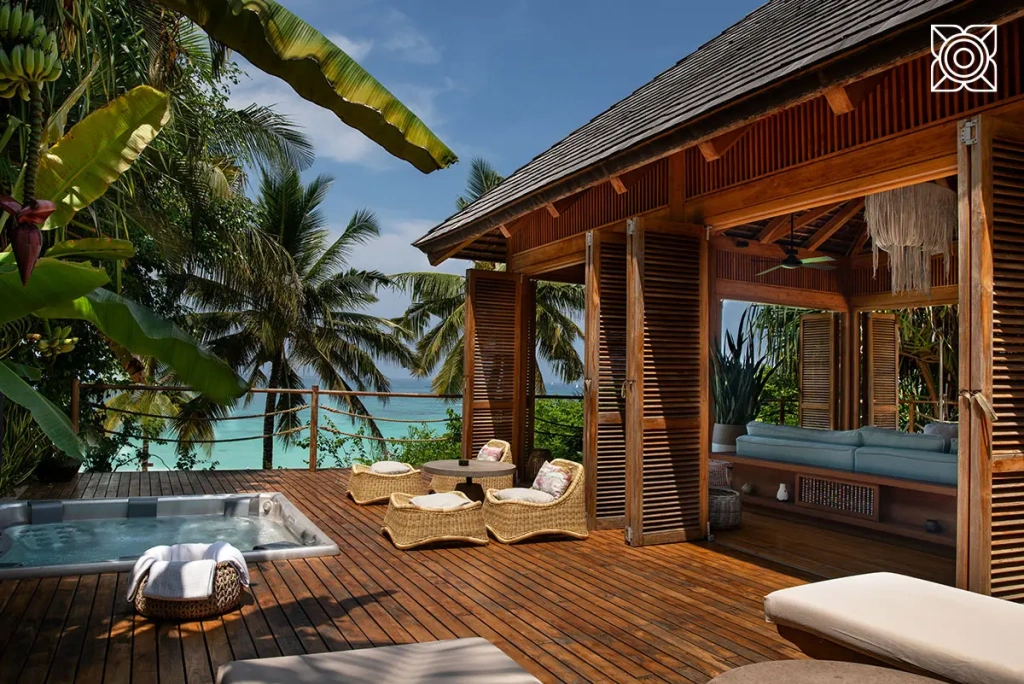
One thing I always remind our guests is that “expensive” doesn’t always mean “better” in Zanzibar. A $100-a-night boutique hotel in Jambiani often feels more personal and authentic than a massive $400-a-night resort that feels like it could be anywhere in the world.
If you are a solo traveler or a digital nomad, the southeast coast (Paje and Jambiani) offers the best community vibes and “work-from-beach” infrastructure. For families and honeymooners, the north (Nungwi and Kendwa) is worth the extra cost because the tide doesn’t go out for miles, allowing you to swim in the turquoise water at any time of day.
Regional Pricing Strategy
Many travelers ask if staying in Stone Town is more expensive than the beach. Generally, Stone Town is cheaper for food and local experiences, but because space is limited, heritage rooms carry a premium for their history.
-
Stone Town: Best for culture, history, and “people-watching.” Plan for 2 nights to soak in the atmosphere.
-
The Coast: Best for relaxation, diving, and sunsets. Plan for 5+ nights to truly unwind.
By balancing a few nights in a heritage guesthouse with a longer stay at a beachfront boutique like Turaco Nungwi, you can experience the full spectrum of the island without blowing your entire budget in one place. Our team at Tanzania Safari Experience can help you mix and match these stays to ensure your trip feels both premium and authentic.
Hidden Costs You Probably Haven’t Considered
When people ask “Is Zanzibar expensive?”, they often forget the small things that add up:
-
Visas: Most nationalities pay $50, but US citizens pay $100.
-
Tipping: While not mandatory, it is culturally expected. Plan for $10–$15 per day for guides and drivers.
-
Connectivity: A local SIM card with 10GB of data will set you back about $15.
-
ATM Fees: Many ATMs on the island have a limit of 400,000 TSh (approx. $150) and charge per transaction.
Luxury vs. Budget: A 7-Day Expense Breakdown
For a standard 7-day trip in 2026, here is what you can expect to see on your credit card statement (excluding international flights):
The Budget Route ($550 – $700 total)
-
Stay in guesthouses in Jambiani.
-
Eat street food and local “Mama” cafes.
-
Travel via Dala-Dala and shared shuttles.
-
Limit to 2 major tours (Spice Farm & Stone Town).
The Mid-Range Route ($1,400 – $2,000 total)
-
Boutique hotels with breakfast included.
-
Mix of local eateries and nice seafood restaurants.
-
Private taxis for all transfers.
-
3-4 tours including a private boat trip.
The “Zanzibar Experience” Luxury Route ($4,500+ total)
-
All-inclusive resort in Kendwa or a private villa in Matemwe.
-
All meals and premium drinks included.
-
Private chauffeur for the duration.
-
Helicopter transfers or private boat charters.
How to Save Money Without Sacrificing the Experience
After years of operating Tanzania Safari Experience, we’ve found that the best trips are those that balance comfort with local immersion. Here are our top “insider” tips for saving:
-
Travel during the “Green Season”: March to May sees lower prices, though you’ll deal with afternoon rains. The island is lush, quiet, and much cheaper.
-
Withdraw TZS (Tanzanian Shillings): While USD is widely accepted, you’ll often get a better exchange rate paying for small items, snacks, and local transport in Shillings.
-
Book Your Safari First: If you are doing a mainland safari, talk to us about “Add-on” packages. Combining your bush and beach legs usually results in better rates than booking them separately.
Final Verdict: Is Zanzibar Worth the Price?
Zanzibar is a place where you can spend as little or as much as you want, but its true value lies in its versatility. It isn’t “expensive” in the way a European capital is; rather, it is a destination where you pay for exclusivity and convenience.
At Tanzania Safari Experience, we believe that everyone should witness a Zanzibar sunset at least once. Whether you are staying in a $20 bungalow or a $2,000 villa, the turquoise water and the smell of cloves in the air remain the same.
Frequently Asked Questions
How much does a meal cost in Zanzibar?
A basic meal at a local restaurant costs $5–$10, while a mid-range dinner at a tourist-focused spot will be $15–$30. Fine dining at top resorts starts at $50 per person.
Is it better to use USD or Shillings?
Bring USD for hotels and large tours, but use Tanzanian Shillings (TZS) for markets, small shops, and taxis to get the best value and avoid “rounding up” errors.
Can I visit Zanzibar on a backpacker budget?
Yes. By staying in hostels in Paje, eating at Forodhani Market, and using public Dala-Dalas, you can keep your daily spend under $60.
How much should I tip in Zanzibar?
For guides, $10–$15 per day is standard. In restaurants, a 10% tip is appreciated if a service charge isn’t already included in the bill.
Are credit cards widely accepted?
In Stone Town and at major resorts, yes. However, many smaller hotels and local shops charge a 3–5% processing fee. Always carry some cash for the east coast and smaller villages.
Ready to Plan Your Island Escape?
Choosing between a budget bungalow and a luxury resort can be overwhelming. As the local authority on Tanzanian travel, Tanzania Safari Experience specializes in creating balanced itineraries that capture the magic of the island without the “tourist tax.”
Contact our Safari Specialists today to design your custom 2026 Zanzibar itinerary.