
Exploring Jozani Forest: The Hidden Heart of Zanzibar
Stepping into Jozani Forest feels like walking into a living, breathing emerald. As the local authority at Tanzania Safari Experience, our team has spent countless hours navigating these ancient mahogany groves and tangled mangroves to bring you a perspective that goes far beyond the standard tourist brochures.
Whether you are here to lock eyes with the endemic Zanzibar red colobus monkey or to find peace in the silent labyrinth of the mangrove boardwalk, Jozani Chwaka Bay National Park is a sanctuary that demands more than just a quick stop. In 2026, we have seen a shift toward more sustainable, deep-dive exploration here, and we want to ensure you maximize every moment in this rare ecosystem.
What Makes Jozani Forest Unique?
Direct Answer: Jozani Forest is Zanzibar’s only national park, protecting the rare Zanzibar red colobus monkey, Sykes’ monkeys, and a vital mangrove system. It serves as a critical biodiversity “island” within the island.
The park is roughly 50 square kilometers of lush sanctuary, but its importance is gargantuan. Our team often tells guests that if Stone Town is the soul of Zanzibar, Jozani is its lungs. You aren’t just visiting a woods; you are entering a complex intersection of three distinct habitats: groundwater forest, coral rag scrub, and salt-tolerant mangroves.
Meeting the Resident Stars: The Zanzibar Red Colobus
Direct Answer: The Zanzibar red colobus monkey (Piliocolobus kirkii) is an endangered primate found only on this archipelago. Jozani is the best place on Earth to observe their social, playful behavior safely.
These monkeys are the primary reason travelers visit, and for good reason. Unlike many wild primates, the red colobus here have become habituated to human presence, allowing for incredible close-up encounters. However, there are things our guides know that most visitors miss:
-
The Charcoal Secret: Keep a close eye on what they eat. You might see them munching on charcoal from burnt trees or nearby farms. Our team has observed this unique behavior—they use the charcoal to neutralize toxins in the young leaves they consume.
-
The “No Thumb” Club: If you look closely at their hands, you’ll notice they lack opposable thumbs. This is an evolutionary trait that helps them swing through the canopy with hook-like speed.
-
The Morning Window: We always recommend arriving by 8:30 AM. By midday, the heat makes them lethargic, and they tend to retreat higher into the canopy for naps.
| Monkey Species | Distinctive Feature | Where to Spot Them |
| Zanzibar Red Colobus | Shock of white hair, pink lips, no thumb. | Usually near the entrance or the “Old Road.” |
| Sykes’ Monkey | Darker fur, white throat, very shy. | Deep in the mahogany forest or near the fruit trees. |
| Bushbaby | Massive eyes, nocturnal. | Hard to see by day, but listen for their “crying child” calls. |
Navigating the Mangrove Boardwalk
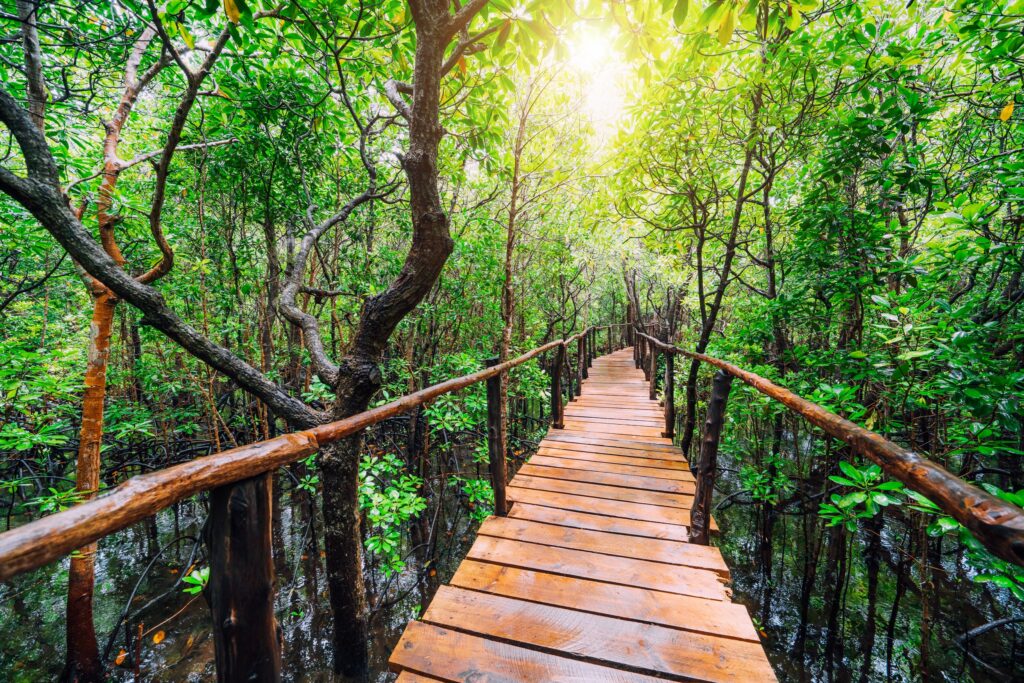
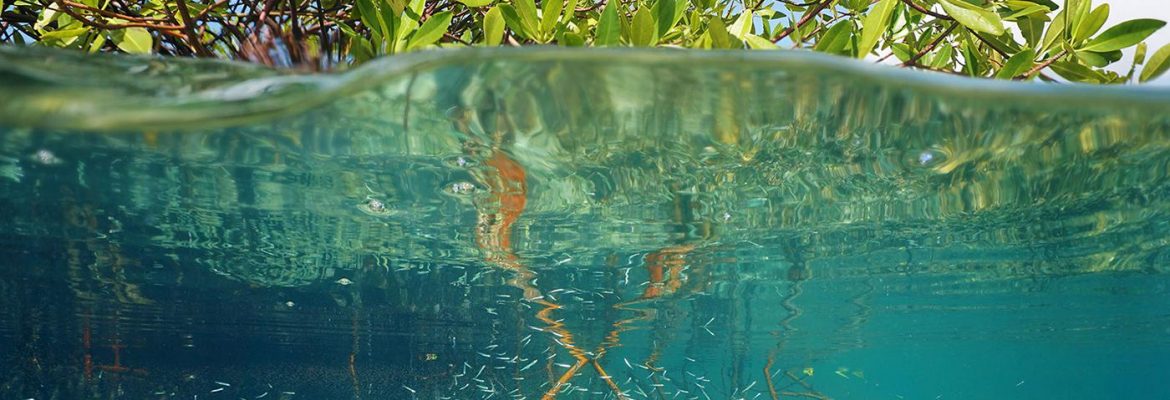
Direct Answer: The Jozani mangrove boardwalk is an elevated wooden path through a salt-marsh ecosystem where you can observe crabs, nursery fish, and the unique breathing roots of Avicennia trees.
Many visitors rush through the forest and skip the mangroves. That is a mistake we never let our clients make. The boardwalk is a silent, almost eerie world that changes completely with the tide.
Pro-Tip from our Guides: Time your visit with a receding tide. This is when the “Fiddler Crabs” emerge. You’ll see thousands of tiny crabs with one giant claw waving in a rhythmic “fiddling” motion to attract mates. It is one of the most underrated sights in the park.
Planning Your Visit: 2026 Practical Guide
To get the most out of your trip, you need to think like a local. We’ve seen many travelers arrive unprepared for the humidity or the terrain.
Essential Gear Checklist
-
Closed-toe shoes: The forest floor is uneven and can be muddy. Flip-flops are a recipe for a twisted ankle.
-
Insect Repellent: This is a tropical swamp. The mosquitoes are active year-round.
-
Polarized Sunglasses: These are essential for seeing through the water glare in the mangroves to spot fish.
-
Small Cash (Tanzanian Shillings): While tickets can often be paid by card, having Shillings for tipping your mandatory park guide or buying a snack at the entrance is vital.
How to Get There
Jozani is located about 35km southeast of Stone Town.
-
Private Transfer: We recommend this for the best experience. It allows you to beat the “Spice Tour” crowds that arrive mid-morning.
-
Dala-Dala: For the adventurous budget traveler, take Route 309 or 310. It’s cheap, crowded, and an authentic Zanzibar experience.
Seasonal Insights: When to Go
Direct Answer: The best time to visit is during the dry seasons (June–October and December–February) for easier walking, though the wet season offers the most vibrant, lush greenery.
While the dry season is popular, we actually love the “short rains” in November. The forest smells incredible, and the birdlife becomes much more vocal. If you are a photographer, the diffused light from a cloudy day in the wet season actually yields better shots than the harsh, high-contrast sun of the dry season.
The “Hidden” Side of Jozani
Most tours follow a set 2-hour loop. However, as the experts at Tanzania Safari Experience, we encourage those with more time to ask about the Pete-Jozani Mangrove Boardwalk or the nearby Zanzibar Butterfly Centre.
The Butterfly Centre is a community-run project just minutes from the park entrance. It’s one of the largest butterfly exhibits in Africa and directly supports local conservation by teaching villagers to farm butterflies instead of clearing the forest for charcoal. It is a perfect “Information Gain” stop that most generic guides overlook.
Comparison: Jozani vs. Mainland Safaris
Many of our guests ask if Jozani “counts” as a safari. While it’s a National Park, the experience is vastly different from the Serengeti or Ngorongoro.
-
Mainland: Wide-open plains, vehicle-based, “Big Five” focus.
-
Jozani: Intimate, walking-based, endemic species, and botanical focus.
We believe Jozani is the perfect “cool down” after a high-energy mainland safari. It shifts your perspective from the macro (elephants/lions) to the micro (butterflies/rare medicinal plants).
Beyond the Monkeys: Medicinal Plants of Jozani
Your guide will likely point out various trees, but pay attention to the Mahogany and Eucalyptus. Local healers have used the bark and leaves of various forest plants for centuries.
-
The “Vicks” Tree: Ask your guide to find a leaf that smells like menthol.
-
Termite Mounds: Look for the massive mounds. Our team often uses these to explain the “architectural” intelligence of the forest’s smallest inhabitants.
Sustainable Visiting: Rules of the Forest
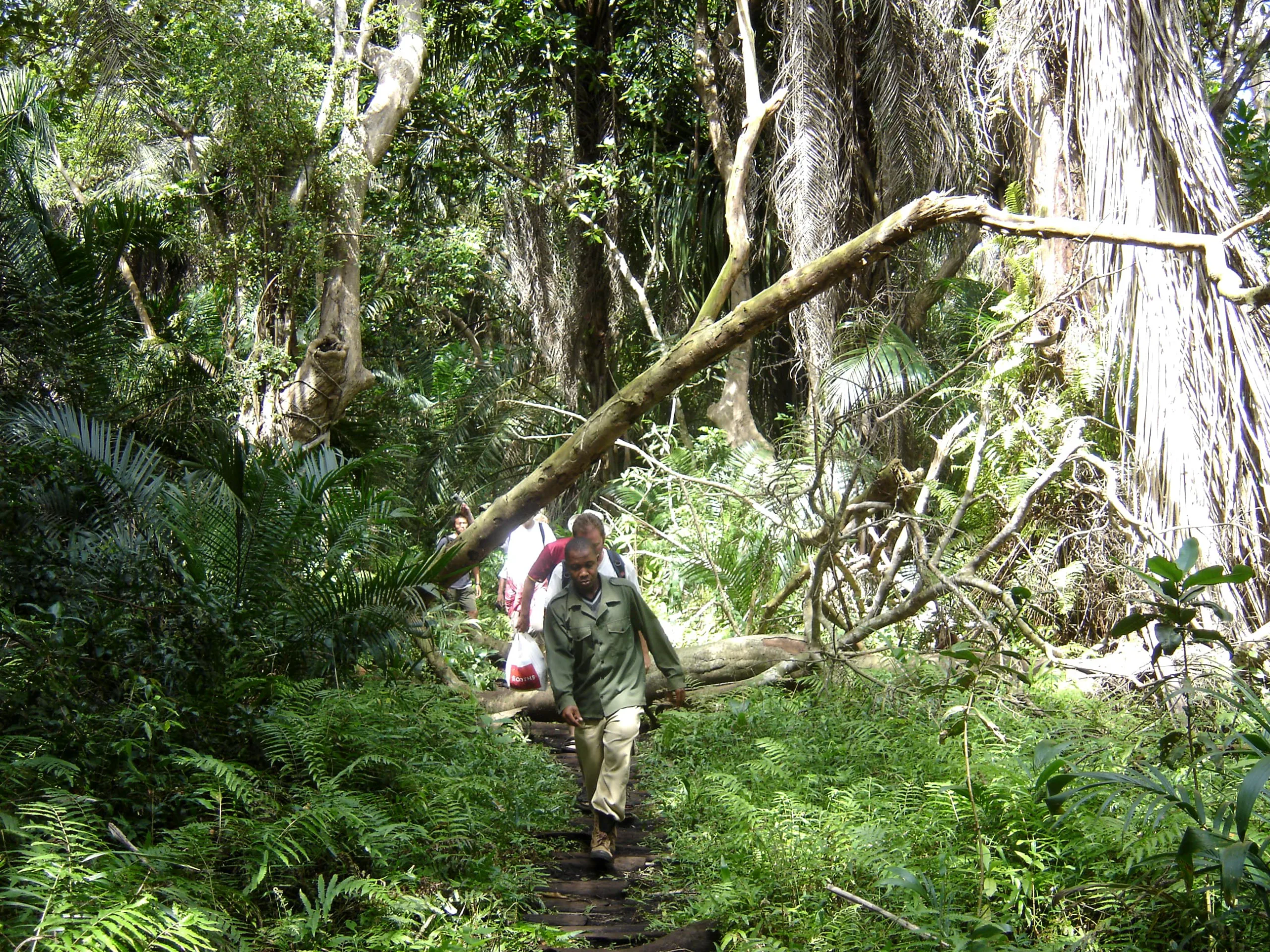
To protect the red colobus, who are susceptible to human respiratory illnesses, we follow strict protocols:
-
The 3-Meter Rule: Never get closer than 3 meters (10 feet) to the monkeys.
-
No Food/Drink: Never eat around the wildlife. It encourages aggressive behavior.
-
Pack it Out: Whatever you bring into the forest, ensure it leaves with you.
Final Verdict: Is Jozani Forest Worth It?
Jozani Forest is more than just a place to see monkeys; it is a vital piece of the global ecological puzzle. At Tanzania Safari Experience, we believe that understanding the delicate balance of the mangroves and the unique adaptations of the Red Colobus adds a layer of depth to your Zanzibar holiday that a beach resort simply cannot provide.
For a truly authentic trip, we recommend pairing a morning in Jozani with an afternoon at a nearby south-east coast beach like Paje. This allows you to transition from the deep green of the forest to the turquoise of the Indian Ocean in a single day.
Frequently Asked Questions
How long does a tour of Jozani Forest take?
A standard guided walk through the forest, the monkey sanctuary, and the mangrove boardwalk typically takes 2 to 2.5 hours.
Do I need a guide for Jozani Forest?
Yes, a park-authorized guide is mandatory and included in your entrance fee. They provide essential context and ensure the safety of the wildlife.
Can I see the Zanzibar Leopard in Jozani?
The Zanzibar Leopard is officially considered extinct (though local folklore suggests otherwise). You will see a taxidermy specimen in the museum, but you won’t spot one in the wild today.
Is Jozani Forest suitable for children?
Absolutely. The trails are flat and well-maintained, and the monkeys are highly engaging for younger travelers.
What is the entrance fee for Jozani Forest in 2026?
As of 2026, the fee for international tourists is approximately $12 USD, which supports park conservation and local community projects.
Plan Your Journey
Ready to see the red colobus for yourself? We recommend checking out our guide to Paje Beach or our Zanzibar Spice Tour itinerary to round out your island adventure.