Ready to Plan
Your Safari?
Our Tanzania safari and adventure experts craft personalised, tailor-made itineraries — just for you.
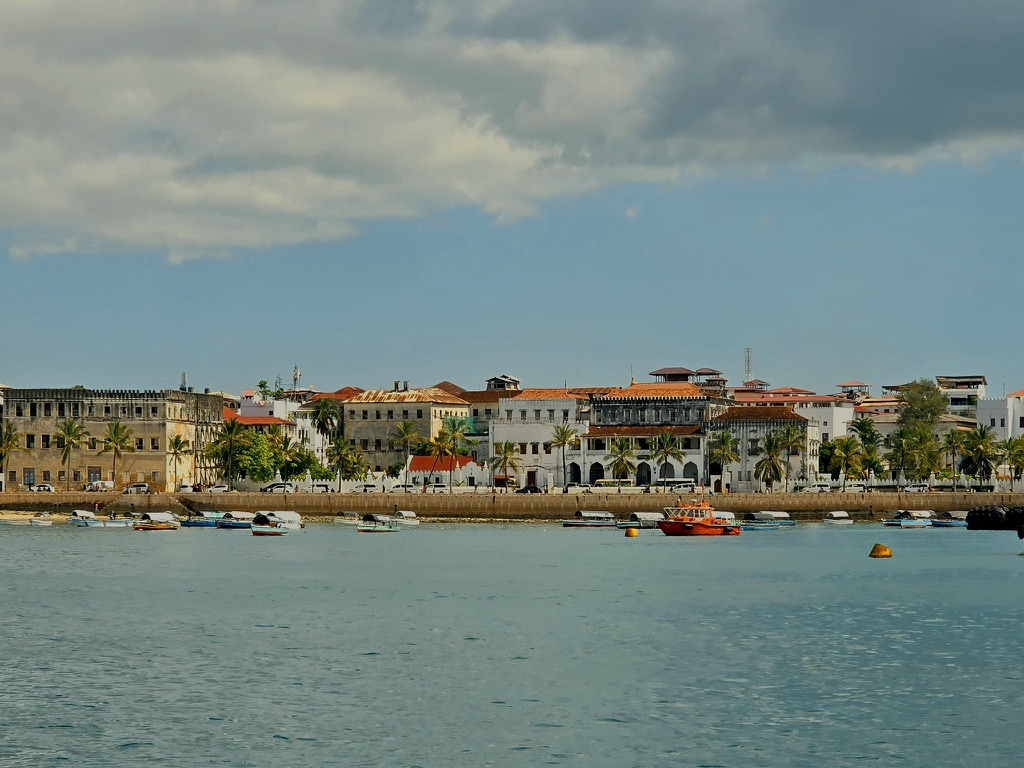
Zanzibar doesn’t just look like paradise—it feels like stepping into a different rhythm of life. As your local experts at Tanzania Safari Experience, we’ve guided countless travelers from their first step in Stone Town to their final sunset on the Indian Ocean, and we know exactly what makes or breaks this experience.
Zanzibar is a tropical island off Tanzania offering white-sand beaches, turquoise waters, rich Swahili culture, and historic Stone Town—perfect for relaxation, culture, and post-safari escapes year-round.
Zanzibar isn’t just a beach destination. It’s where African, Arab, and European influences collide. You’ll hear the call to prayer echo through narrow alleys, smell spices in the air, and then—just minutes later—find yourself barefoot on powder-soft beaches.
What most travelers miss: Zanzibar is not one single experience. The north, east, and west coasts feel like completely different destinations.
Zanzibar is an archipelago in the Indian Ocean, about 25–50 km off Tanzania’s coast, with Unguja (main island) being the most visited and home to Stone Town.
Many travelers assume Zanzibar is remote or difficult to reach. That’s wrong. It’s one of the easiest beach add-ons after a safari.
Pro tip: Flying directly from Serengeti to Zanzibar saves nearly a full day compared to driving back to Arusha.
The best time to visit Zanzibar is June to October for dry weather and December to February for hot, sunny conditions, while April–May brings heavy rains and fewer travelers.
| Season | Weather | Experience |
|---|---|---|
| June – Oct | Dry, breezy | Best overall |
| Dec – Feb | Hot, sunny | Best for beach lovers |
| Mar | Mixed | Shoulder season |
| Apr – May | Heavy rains | Low season deals |
Reality check: Even in rainy months, it rarely rains all day—but humidity can be brutal.
Pro tip: East coast beaches get strong tides—great for photography, not always for swimming.
Nungwi and Kendwa offer calm waters and nightlife, while Paje and Jambiani provide quieter, authentic coastal experiences with strong tides and kite surfing conditions.
| Area | Best For | Vibe |
|---|---|---|
| Nungwi | Swimming, nightlife | Lively |
| Kendwa | Sunsets, luxury | Relaxed |
| Paje | Kitesurfing | Trendy |
| Jambiani | Quiet escapes | Local feel |
Hard truth: If your client wants “crystal-clear water all day,” don’t send them to the east coast without explaining tides. That’s how bad reviews happen.
Zanzibar offers a mix of beach relaxation, cultural tours, marine adventures, and spice experiences, making it far more than just a beach destination.
Pro tip: Do Stone Town first, not last. Ending your trip there after beaches feels like a downgrade.
Stone Town is a historic Swahili trading city filled with narrow alleys, carved doors, markets, and cultural landmarks reflecting centuries of Arab, Persian, Indian, and European influence.
You don’t visit Stone Town—you navigate it. Every turn reveals something unexpected.
What most guides won’t tell you: A good guide changes everything. Without one, it’s just old buildings. With one, it becomes a living story.
Pro tip: Go early morning or late afternoon—midday heat kills the experience.
Zanzibar offers a unique blend of Swahili, Arabic, and Indian cuisine, with fresh seafood, spices, and street food markets like Forodhani Gardens being essential experiences.
Reality check: Food hygiene varies. Stick to busy stalls—high turnover means fresh food.
Zanzibar is accessible via international flights or domestic flights from Arusha and Serengeti, as well as ferries from Dar es Salaam.
Best routes:

Pro tip: Always recommend flights over ferries for high-end clients. Ferries are unpredictable.
Zanzibar offers accommodations ranging from budget guesthouses to ultra-luxury beachfront resorts, mainly located in Nungwi, Kendwa, Paje, and Matemwe.
| Type | Price Range | Experience |
|---|---|---|
| Budget | $40–$100 | Basic, local |
| Mid-range | $120–$300 | Comfortable |
| Luxury | $400+ | Premium beachfront |
Hard truth: “Cheap beachfront” often means poor service and outdated rooms. Don’t oversell budget stays.
A Zanzibar trip typically costs $120–$500+ per person per night depending on accommodation, activities, and season, with luxury experiences significantly increasing the total.
Hidden costs:
Pro tip: Pre-arranged packages often save money compared to booking everything separately.
Is Zanzibar Safe?
Zanzibar is generally safe for tourists, especially in resort areas, though travelers should remain cautious in crowded places and avoid isolated areas at night.
What actually matters:
- Petty theft in Stone Town
- Beach boys (harmless but persistent)
Pro tip: A confident “no, thank you” works better than ignoring.
Pack lightweight clothing, reef-safe sunscreen, swimwear, modest outfits for cultural areas, and insect repellent to stay comfortable in Zanzibar’s tropical climate.
Pro tip: Bring water shoes if staying on the east coast—sea urchins exist.
Zanzibar pairs perfectly with a Tanzania safari, offering relaxation after intense wildlife experiences, especially when flying directly from Serengeti for maximum efficiency.
This is where most itineraries fail. People underestimate fatigue after safari.
Smart structure:
Not the other way around.
As your safari experts at Tanzania Safari Experience, we recommend combining a 4–6 day Northern Circuit safari with 3–5 days in Zanzibar, including a direct flight from Serengeti to maximize your time.
We also advise:
Yes. It combines beaches, culture, and history in one destination, making it far more diverse than typical tropical islands.
3–5 days is ideal. Less feels rushed, more depends on how much relaxation you want.
Yes, especially in Nungwi and Kendwa. East coast beaches are affected by tides.
It can be affordable or luxury depending on your choices. Mid-range travelers typically spend $150–$300 per day.
Yes, Zanzibar follows Tanzania visa rules. Most travelers get a visa on arrival or apply online.
Zanzibar is not just a beach destination—it’s the perfect contrast to a Tanzania safari. But here’s the truth most people won’t tell you: the experience depends entirely on how well your trip is structured.
Done wrong, it’s overrated. Done right, it’s unforgettable.
With Tanzania Safari Experience, you don’t just visit Zanzibar—you experience it the way it’s meant to be: seamless, authentic, and tailored to you.